Some British customs and traditions might seem a little strange when you’re visiting England for the first time. Others are worth knowing before you arrive, especially if you want to avoid any awkward misunderstandings!
Every country has its own customs, and Britain is no exception. If you’re planning a study holiday in England, understanding a few of these cultural differences can help you feel more comfortable when meeting local people.
When you think of British culture, certain stereotypes probably come to mind. You might picture people drinking endless cups of tea, apologising for absolutely everything or sitting down to a huge English breakfast every morning.
While there’s some truth to these ideas, they don’t always reflect everyday life in Britain.
The United Kingdom is a multicultural country, shaped by people and traditions from around the world. At the same time, many distinctly British customs remain an important part of daily life, from queuing patiently to making small talk about the weather.
So, which British customs and traditions should you know about before your visit? Let’s take a look at some of the most familiar habits, along with a few that might surprise you.
British customs and traditions in everyday life
Whether you’re visiting England for a few days or spending several weeks on a study holiday, you’ll soon notice certain habits that are part of everyday British life.
Here are some worth knowing before you arrive.
Contents
1. Punctuality matters
British people generally place a lot of importance on being on time. Arriving late for an appointment, meeting or organised activity without letting anyone know can be considered rude.
If you’re meeting someone at a particular time, it’s best to arrive a few minutes early. And if you’re running late, a quick message to let them know will usually be appreciated.
2. Queuing is taken very seriously
One of the most recognisable British customs is the importance of queuing.
Whether you’re waiting for a bus, paying in a shop or ordering food, you’re generally expected to wait your turn. Pushing ahead of other people is considered particularly bad manners.
You might even notice that British people form an orderly queue without being asked!
However, not every situation involves a physical line. At some bus stops and pubs, people simply remember who arrived first and wait accordingly.
3. Saying please, thank you and sorry
If there’s one thing you’ll notice when speaking to British people, it’s how frequently they use the words please, thank you and sorry.
These expressions are an important part of everyday communication, even in situations where they might seem unnecessary.
Someone might apologise when another person bumps into them, say thank you to a bus driver or begin a question with “Sorry, could you tell me…?”
It’s not necessarily because they feel particularly apologetic or grateful every time. These expressions are simply part of how politeness is communicated in Britain.
If you’re learning English, getting into the habit of using them will help your conversations sound more natural.
4. Driving on the left
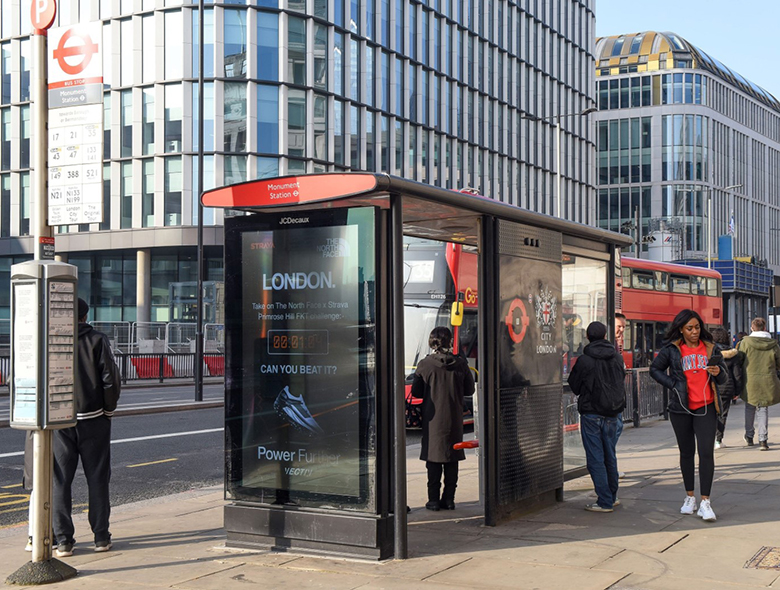
One British custom you definitely need to remember is that vehicles drive on the left-hand side of the road.
If you’re visiting from a country where traffic drives on the right, this can take some getting used to, particularly when crossing the road.
Always check both directions before stepping into the street, and use designated pedestrian crossings whenever possible.
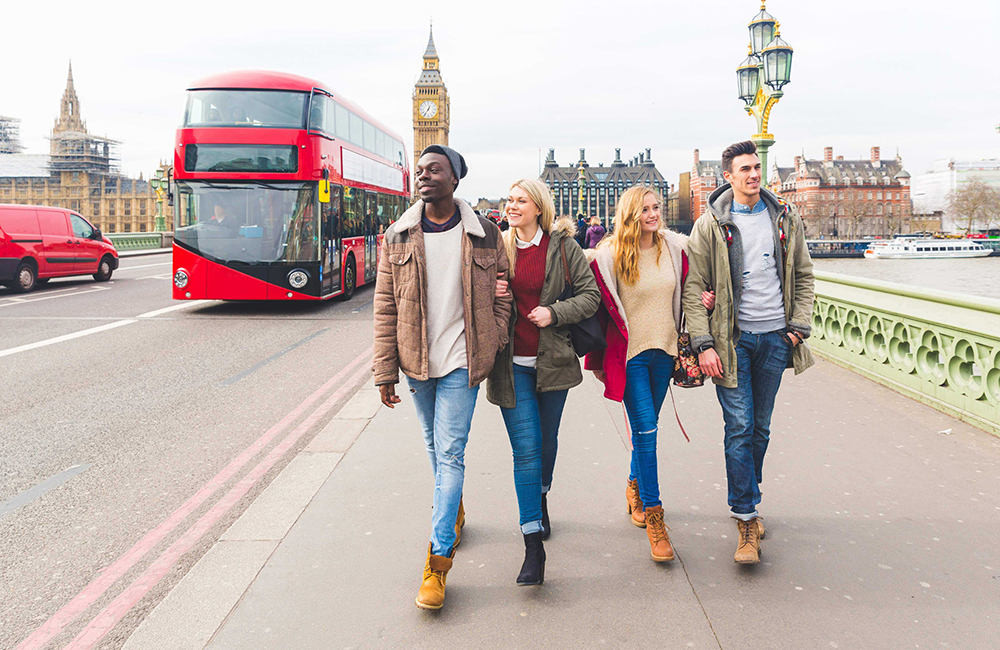
In busy cities such as London, you might notice instructions painted on the road telling pedestrians to “LOOK LEFT” or “LOOK RIGHT”. These are particularly helpful for visitors who aren’t used to British traffic.
5. Drinking tea throughout the day
You might associate British tea drinking with the traditional afternoon tea served at five o’clock, but the reality is quite different.
Tea is enjoyed throughout the day, from the first cup in the morning to an evening drink after dinner.
In many British homes and workplaces, the kettle is one of the most frequently used kitchen appliances. Offering someone a cup of tea is also a common way of welcoming them or making them feel comfortable.
And if someone asks, “Fancy a cuppa?”, they’re simply offering you a cup of tea!
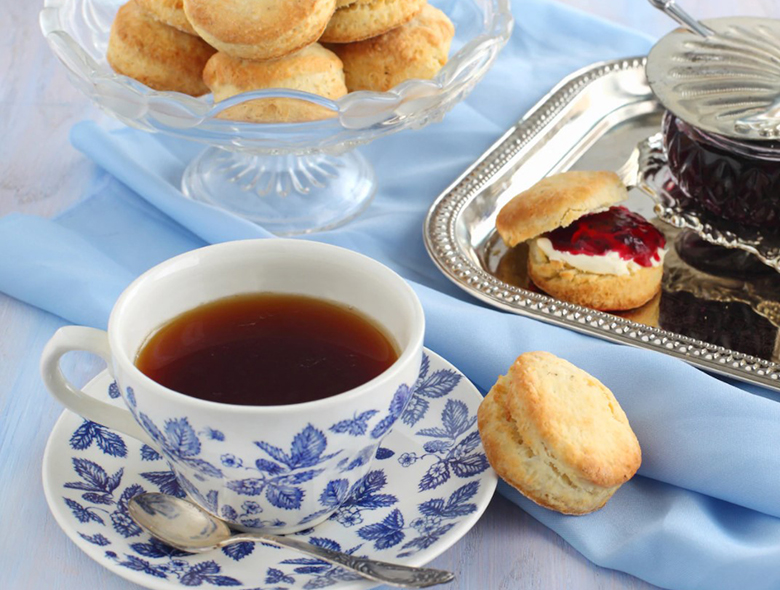
Although afternoon tea remains a well-known British tradition, complete with sandwiches, scones and cakes, it’s generally something people enjoy as an occasional treat rather than an everyday ritual.
6. Pub culture
Pubs are an important part of British social life, and they’re about much more than drinking alcohol.
The word pub comes from “public house”, and these establishments have traditionally served as places where local communities gather.
People visit pubs to meet friends, enjoy a meal, watch sporting events or simply have a conversation.
Many pubs also serve traditional British dishes, including fish and chips, Sunday roasts and pies. You don’t have to drink alcohol to enjoy a pub, either. Most offer soft drinks, and some serve tea and coffee.
One thing worth remembering is that ordering at the bar is common in British pubs, although some establishments also provide table service.
7. The traditional English breakfast
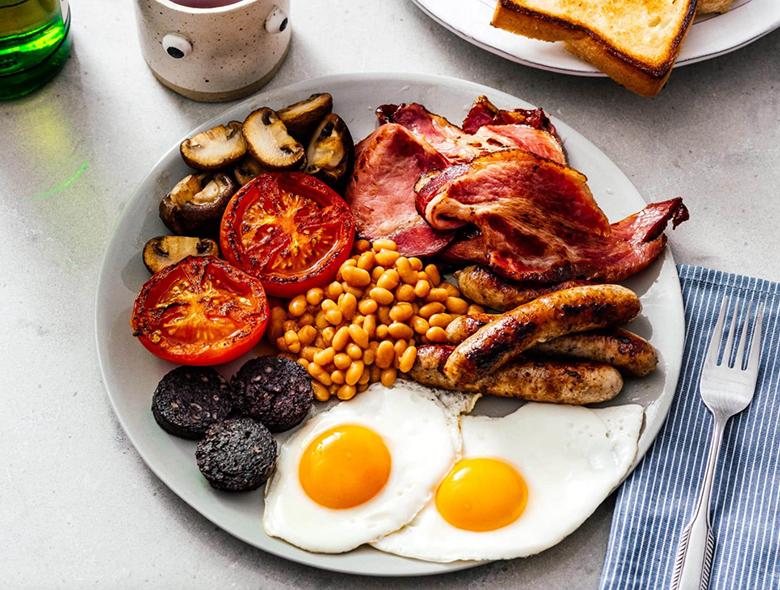
You might have heard that British people eat bacon, sausages, eggs and baked beans every morning.
While the full English breakfast is certainly one of Britain’s best-known culinary traditions, most people don’t eat it every day.
Instead, everyday breakfasts tend to be simpler, with cereal, porridge, toast or yoghurt among the popular choices. If you’re visiting England, it’s definitely worth trying at least once!
Some unusual British habits that might surprise you
Every country has habits that seem completely normal to locals but rather strange to visitors. Britain is no different!
Alongside the more familiar British customs and traditions, there are a few everyday habits that might leave you wondering why people do things the way they do.
8. Dressing for a night out, whatever the weather
If you’ve ever visited a British city on a winter evening, you might have noticed people heading out wearing surprisingly little clothing.
Even when temperatures are close to freezing, it’s not unusual to see some people wearing short dresses, lightweight outfits or open-toed shoes without a coat.
Of course, not everyone dresses this way, but it’s a familiar sight in areas known for their nightlife. Some people simply don’t want to carry a coat around all evening, while others would rather put up with the cold than compromise on their outfit.
You might even spot someone carrying their high heels and walking home barefoot after a night out, although that’s certainly not advisable!
9. Making the most of every bit of sunshine
British weather has a reputation for being unpredictable, with cloudy skies and frequent rain throughout much of the year.
Perhaps that’s why people are so enthusiastic when the sun finally makes an appearance!
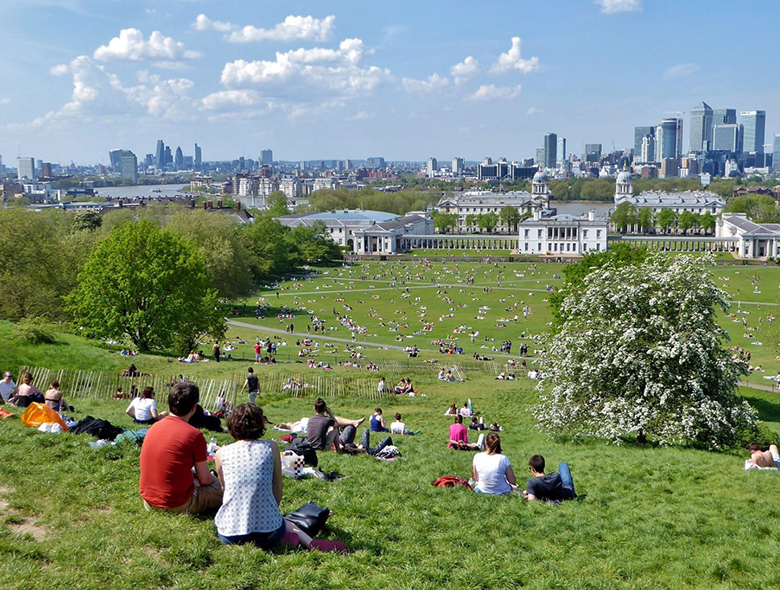
On a sunny day, you’ll often see parks filling with people having picnics, sitting on the grass or meeting friends outdoors.
And it doesn’t necessarily have to be particularly warm. After a long winter, even a relatively mild spring day can encourage people to put on their sunglasses, sit outside a café or head to the nearest park.
If you’re spending a study holiday in the UK, you’ll soon understand why a little sunshine is something to celebrate!



10. Having separate hot and cold taps
Here’s something that often surprises visitors to Britain.
In many older British homes, particularly in bathrooms, you’ll find two separate taps, one for hot water and one for cold.
This can seem rather inconvenient if you’re used to a mixer tap, especially when the hot water is too hot and the cold water is freezing!
The tradition has historical roots. Older British plumbing systems often supplied cold drinking water directly from the mains, while hot water came from a separate storage system.
Keeping the two supplies separate helped prevent potentially contaminated stored water from mixing with drinking water. Although mixer taps are now common in modern British homes, separate taps remain a familiar feature in many older properties!
11. Light switches outside the bathroom
Another unusual feature of some British bathrooms is the absence of ordinary wall-mounted light switches and electrical sockets.
Instead, you might find the light switch outside the bathroom or a pull cord hanging from the ceiling.
This is connected to electrical safety regulations, which restrict where certain electrical fittings can be installed in bathrooms. Because water and electricity can be a dangerous combination, ordinary sockets are generally not permitted close to baths and showers.
Specially designed shaver sockets and appropriately rated electrical equipment may be installed in permitted locations. So, if you can’t find the bathroom light switch during your stay in England, try looking outside the door or up towards the ceiling!
Discover British customs and traditions on a study holiday in England
Reading about British customs and traditions is a great way to prepare for your visit, but there’s nothing quite like experiencing them for yourself!
From ordering your first cup of tea to chatting with local people and discovering the country’s everyday habits, spending time in England gives you the opportunity to practise your English while getting to know British culture.
Why not experience it for yourself? Explore our study holidays in England and discover how much you can learn both inside and outside the classroom.