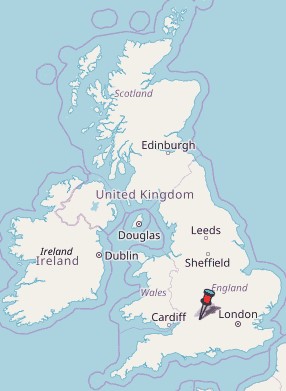
Looking for things to do in Cirencester on your study trip? Well, lucky for you, there’s plenty! Perched on the edge of the Cotswolds, Cirencester is a historic market town with thousands of years of history dating back to Roman Britain. Today, it has retained much of its traditional character, with plenty of things to see and do, from exploring ancient Roman ruins to shopping in independent boutiques and enjoying the beautiful Cotswold countryside.
Known as the Capital of the Cotswolds, Cirencester is a charming market town with a fascinating past and a welcoming atmosphere.
During the Roman period, the town was known as Corinium Dobunnorum and grew to become one of the largest and most important settlements in Roman Britain, second only to London in size.
Following the end of Roman rule, the town underwent significant changes during the Anglo-Saxon period. Its modern name developed from earlier forms, including Ciren-ceaster, reflecting its Roman origins.
During the Middle Ages, Cirencester became a prosperous centre for wool production and trade, a thriving industry that helped shape the town’s development. Over the centuries, it gradually became the picturesque destination you can visit today, with its historic buildings, honey-coloured stone and charming streets.
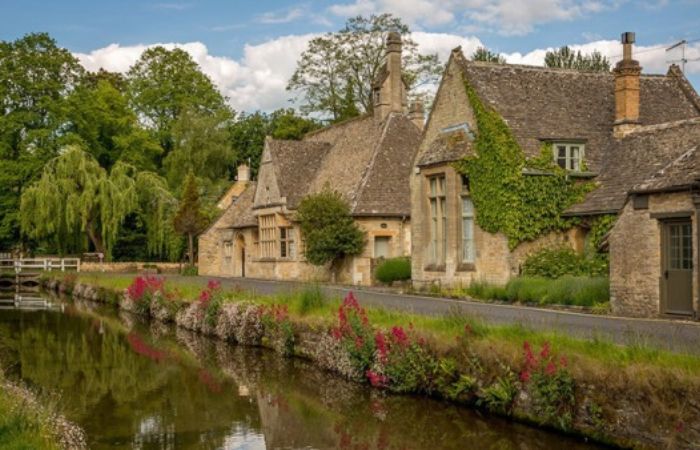
The Cotswolds are famous for their picturesque villages, rolling hills and traditional English countryside. The word wolds refers to open, rolling uplands, which are characteristic of this beautiful part of England.
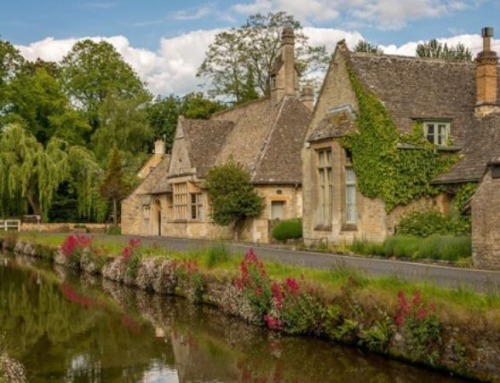
The region is known for its distinctive limestone cottages, woodland and farmland, alongside traditional farmers’ markets, country pubs, tearooms, historic houses, rivers, canals and parks.
Against this backdrop, Cirencester is not only a fantastic town to visit in its own right, but also an excellent starting point for exploring the surrounding Cotswolds.
Although nearby Cheltenham is another popular destination, Cirencester has managed to retain the traditional atmosphere of an English market town. Its historic streets and independent businesses give it a character of its own.
It’s also a lively town with a growing creative community, reflected in its independent shops, restaurants, cafés and arts venues.
What to See in Cirencester
Cirencester’s long history is still very much part of the town today, particularly in its architecture and historic landmarks.
When you explore Cirencester’s attractions, you’ll discover traces of the Romans, medieval merchants and generations of residents who helped shape the town.
Contents
Cirencester Roman Amphitheatre
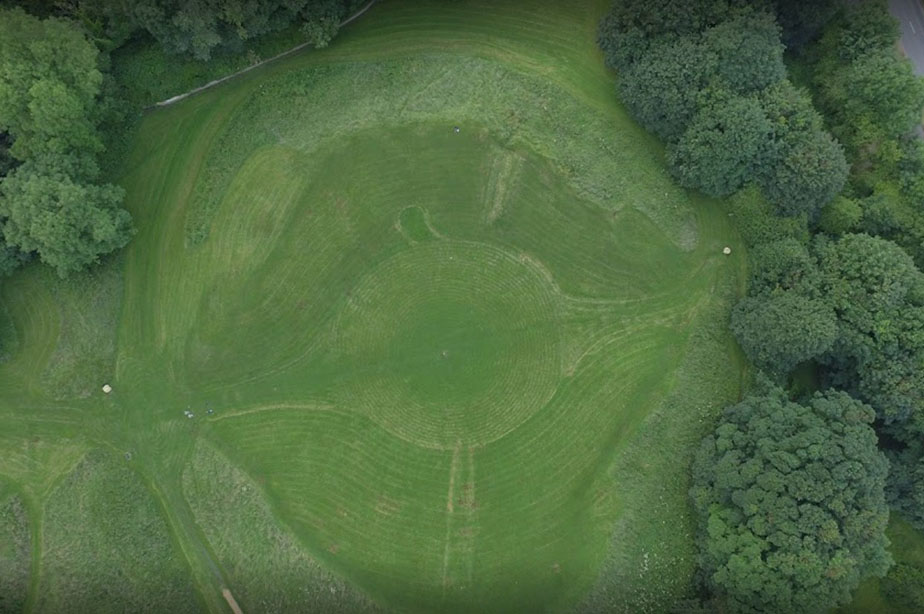
Just a short walk from the town centre, you’ll find the Cirencester Roman Amphitheatre, one of the largest surviving Roman amphitheatres in Britain.
Built during the early second century AD, it was part of the Roman town’s development and is thought to have accommodated around 8,000 spectators.
Although the original stone seating and structures have disappeared, the earthworks remain clearly visible, allowing you to appreciate the impressive scale of this ancient entertainment venue.
Corinium Museum
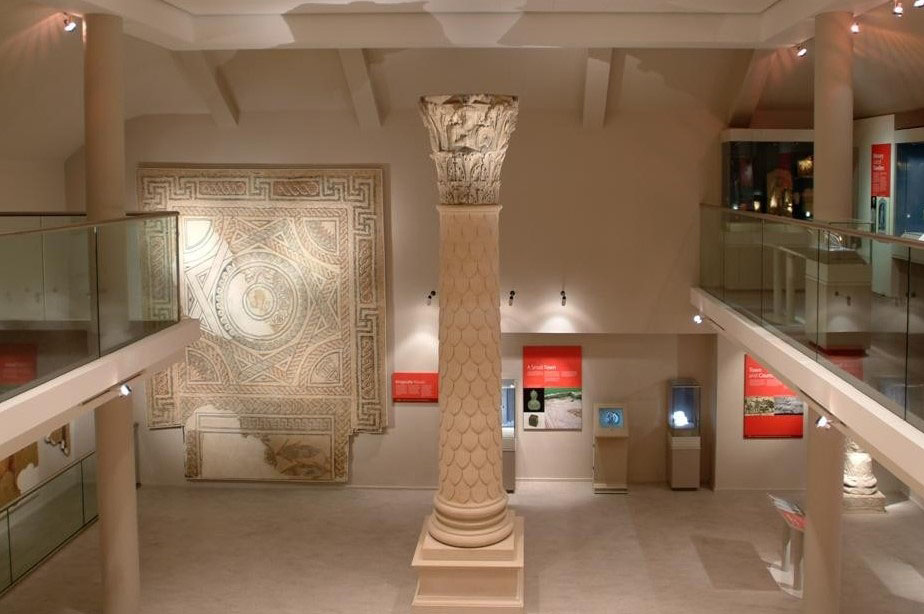
The Corinium Museum is one of the best places to learn about Cirencester’s Roman past.
The museum houses one of the country’s most significant collections of Romano-British artefacts, many of which were discovered in and around the ancient Roman town of Corinium.
Here, you can see beautifully preserved Roman mosaics, sculptures, jewellery, pottery and everyday objects that offer a fascinating insight into life nearly 2,000 years ago.
The Parish Church of St John Baptist
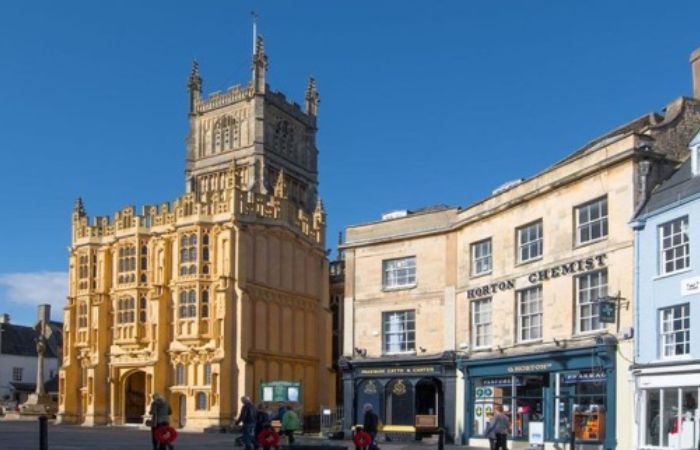
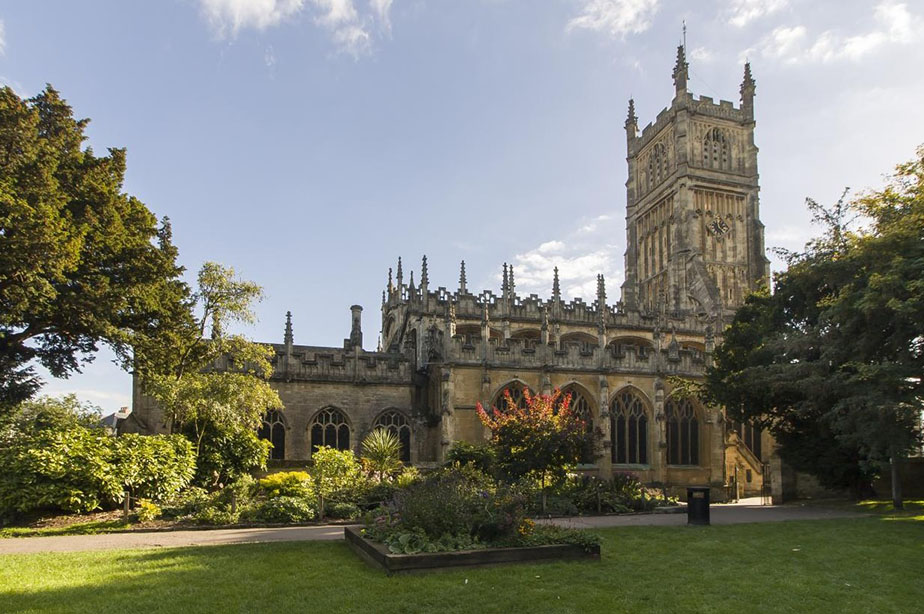
Overlooking Cirencester’s Market Place, the magnificent Parish Church of St John Baptist is one of the finest medieval parish churches in the Cotswolds.
With its grand proportions and impressive architecture, the church has an almost cathedral-like appearance.
One of its most striking features is the elaborate south porch, with its beautiful fan-vaulted ceiling. Constructed around the end of the 15th century, it reflects the wealth and influence Cirencester enjoyed during the medieval wool trade.
The church also houses a remarkable historical object: a silver-gilt cup traditionally associated with Anne Boleyn, the second wife of King Henry VIII.
Shopping in Cirencester
If you enjoy shopping, Cirencester has plenty to offer, particularly if you prefer independent shops and traditional markets.
Market Place is the heart of the town and has been a centre of trade for centuries. Its regular markets continue this tradition, bringing together local traders, craftspeople and producers.
The town’s Charter Market traditionally takes place on Mondays and Fridays, while the Farmers’ Market is usually held on the second and fourth Saturdays of each month.
Another popular shopping destination is Cirencester Corn Hall, which hosts a changing programme of markets and events.
These have included antiques and collectables, arts and crafts, homeware, garden products and locally made goods.
Even if you’re only spending a few days in Cirencester, there’s a good chance you’ll have the opportunity to explore one of its traditional markets.
Beyond the markets, Cirencester’s independent shops are another reason to spend time exploring the town.
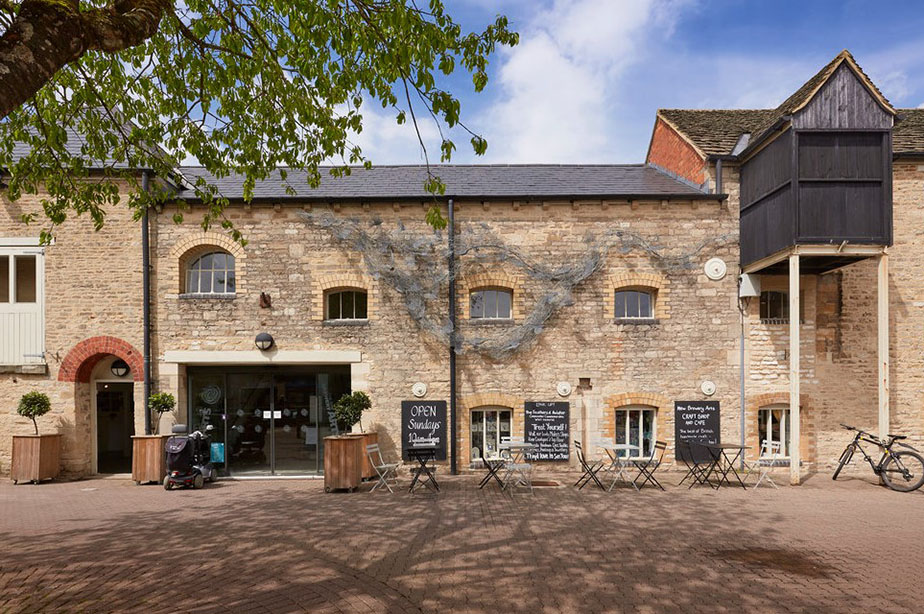
Its historic streets and tucked-away courtyards are home to boutiques, antique shops, craft stores and specialist retailers, alongside familiar high-street names.
For something a little different, head away from the main shopping streets and explore Swan Yard and the Old Post Office area.
You’ll also find independent businesses around The Woolmarket, near Dyer Street, and Stable Yard, close to Black Jack Street.
These smaller shopping areas are part of what makes Cirencester so enjoyable to explore, with plenty of opportunities to discover unusual gifts, handmade products and independent cafés.
Where to Eat in Cirencester
After exploring the town’s shops and historic attractions, you’ll probably be ready for something to eat.
Fortunately, Cirencester has plenty of options, whether you’re looking for a traditional pub lunch, afternoon tea, a relaxed drink with friends or a three-course meal.
Alongside classic British food, you’ll find restaurants serving Italian, French, Japanese and Indian cuisine, as well as independent cafés and tearooms.
It’s the perfect opportunity to experience the atmosphere of a traditional Cotswold market town while enjoying some good food.
Beautiful Parks and Green Spaces in Cirencester
One of the best things about Cirencester is how easy it is to escape the busy streets and spend time outdoors.
From historic estates to peaceful gardens and recreational parks, there are several lovely green spaces to explore in and around the town.
Cirencester Park
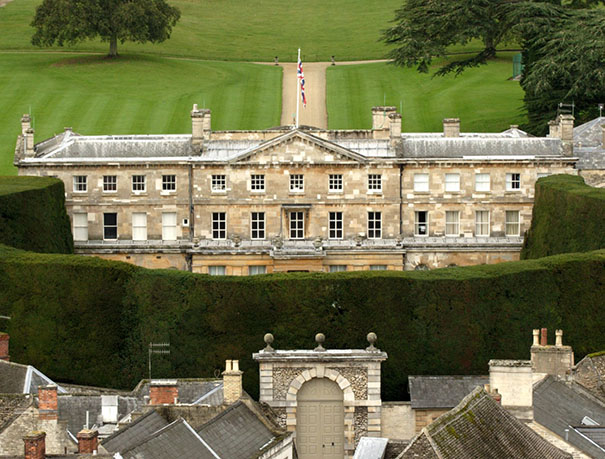
Cirencester Park forms part of the historic Bathurst Estate, which covers approximately 3,000 acres.
The parkland was developed in the 18th century, with the poet Alexander Pope contributing ideas to its landscape design.
Today, its tree-lined avenues and extensive grounds make it a popular place for walking and enjoying the countryside.
The main entrance is on Cecily Hill, just a short distance from the town centre. Public access arrangements and any admission charges should be checked before visiting.
Abbey Grounds
Located just beyond Market Place, Abbey Grounds is a peaceful public park with a fascinating history.
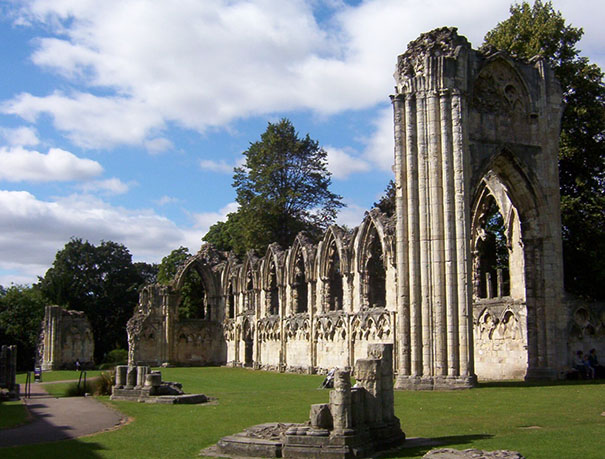
The grounds occupy part of the site of the former Abbey of St Mary, an important Augustinian abbey whose church was consecrated in 1176 in the presence of King Henry II.
The abbey was dissolved during the reign of Henry VIII in 1539, and its buildings were subsequently demolished.
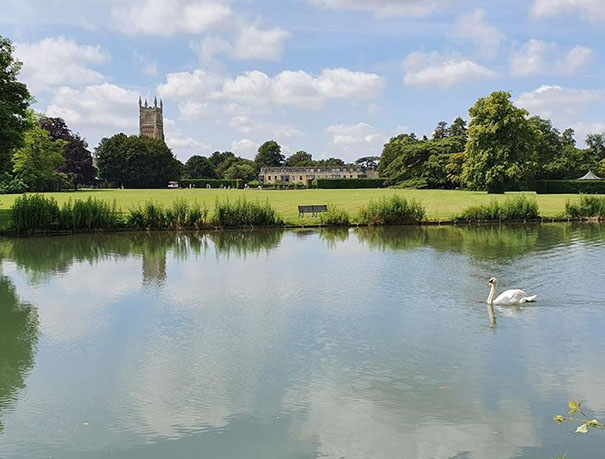
Today, you can still see a surviving Norman archway and the remains of the abbey’s historic landscape, including a lake associated with the former monastery.
With its open lawns, trees and waterside setting, Abbey Grounds is a lovely place to relax or enjoy a picnic on a sunny day.
St Michael’s Park
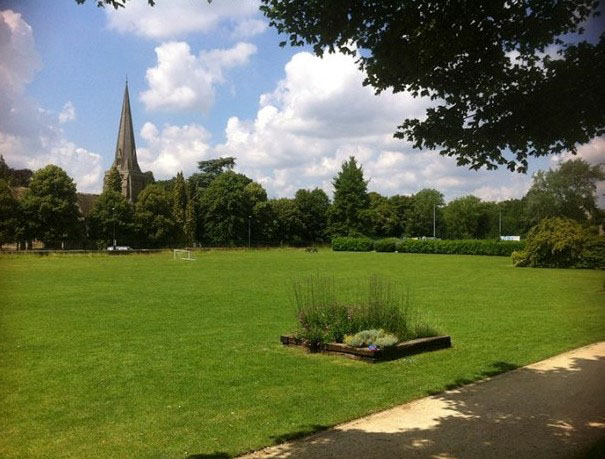
Just a short walk from the town centre, St Michael’s Park offers a variety of recreational facilities for visitors of different ages.
The park includes a children’s playground and facilities for activities such as tennis, mini golf, croquet and bowls.
It’s a particularly good option if you’re visiting Cirencester with younger children or simply want somewhere to spend a little time outdoors.
Exploring the Cotswolds from Cirencester
After discovering Cirencester’s historic streets, Roman landmarks and beautiful parks, why not explore some of the other towns and villages nearby?
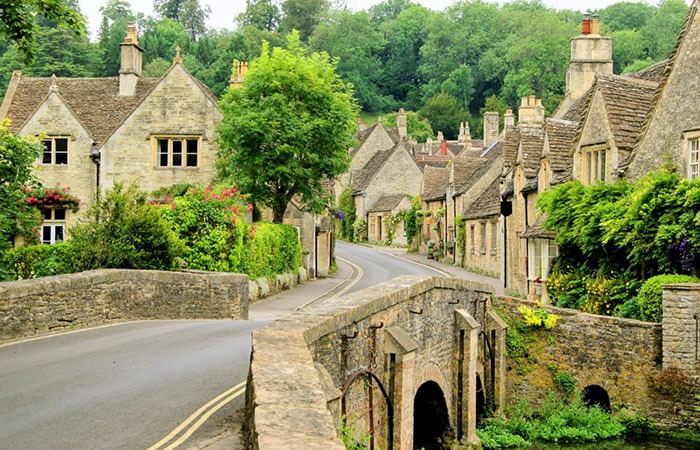
The Cotswolds are famous for their traditional stone buildings, countryside views and picturesque settlements, and Cirencester is a convenient base for visiting several of them.
Some places worth adding to your itinerary include Bibury, Burford, Lechlade-on-Thames and Castle Combe.
Each has its own character, from Bibury’s famous Arlington Row cottages to Burford’s historic high street and Castle Combe’s beautiful stone buildings.
Whether you’re interested in history, photography, shopping or simply enjoying the English countryside, there’s plenty more to discover beyond Cirencester itself.
Now You Know What to Do in Cirencester, Why Not Visit for Yourself?
With its Roman history, traditional markets, independent shops and beautiful countryside, Cirencester has plenty to offer. And with so many other lovely Cotswold towns and villages nearby, there’s even more to explore.
If you’d like to experience this beautiful part of England while improving your English, take a look at our English courses and activities in Cirencester and discover what you could get up to on a study holiday with Astrolabio!