
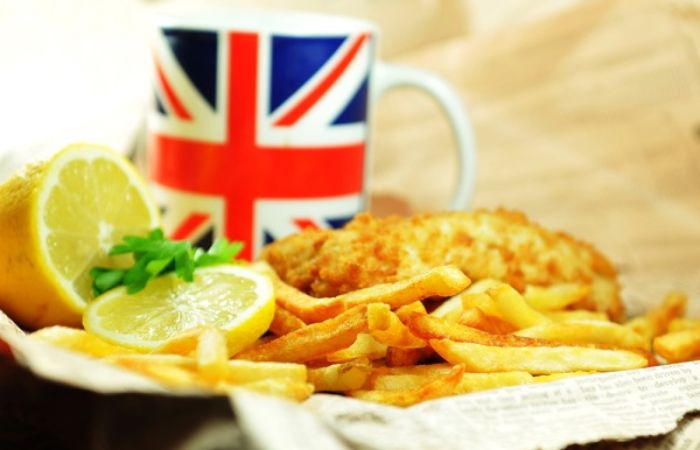
Even though English food is often stereotyped as poor quality, it actually has a long and well-established culinary tradition. It goes far beyond fish and chips, and if you look a little closer, you will find a wide range of dishes that reflect both history and cultural exchange across centuries.
The United Kingdom has its own distinct food culture, one that remains rooted in tradition while also reflecting influences from around the world. Over time, particularly during the colonial period, flavours and techniques from countries such as India, China and parts of North America became part of everyday cooking, shaping what we now recognise as modern British cuisine.
While most people immediately think of fish and chips or a full English breakfast, these are only part of the picture. There are many other dishes worth trying, ranging from simple, comforting meals to more regional specialities. Understanding English cuisine means looking not just at the dishes themselves, but also at the ingredients, the traditions behind them, and the places where people still gather to eat them today.
It’s definitely worth trying some of these on your English study holiday!
What are the typical foods of England?
Traditional English food and cooking today is built on a combination of long-standing local practices and outside influences that have gradually become part of the national diet. Many of the most recognisable dishes are based on simple, hearty ingredients such as meat, fish, vegetables and grains, often prepared in ways that have changed very little over time.
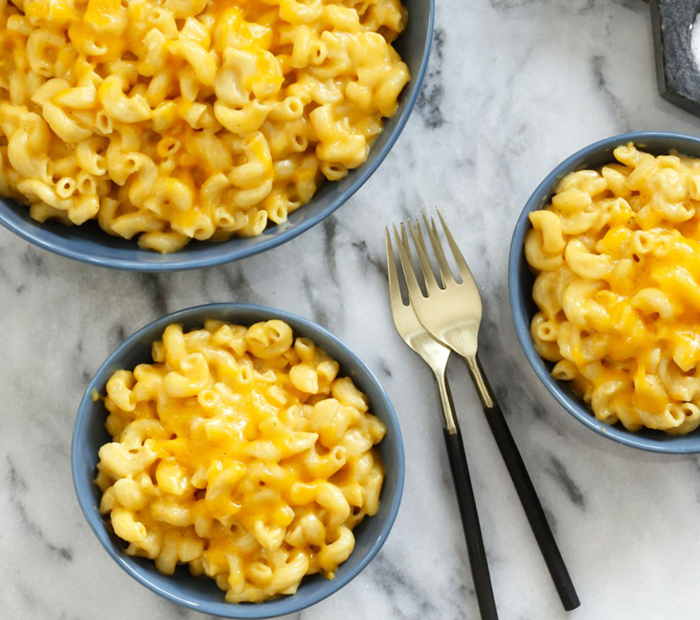
Certain ingredients have been used consistently since the medieval period, and they still appear frequently in modern recipes. Cheese, for example, is a major part of English food culture, with over 700 varieties produced across the country. Dishes like macaroni cheese or cauliflower cheese remain widely popular, showing how these ingredients continue to be used in everyday cooking.
Bread also plays a central role, with baking traditions that developed strongly in Britain before spreading more widely. Varieties such as the stottie cake, cottage loaf and cob are still recognised today, even if they are more regional in their origins.

Pies, cakes and puddings are another key element of English cuisine. Many savoury pies date back to the Middle Ages, when pastry was used both as a container and a way to preserve food. These dishes remain common, especially in pubs and traditional eateries.
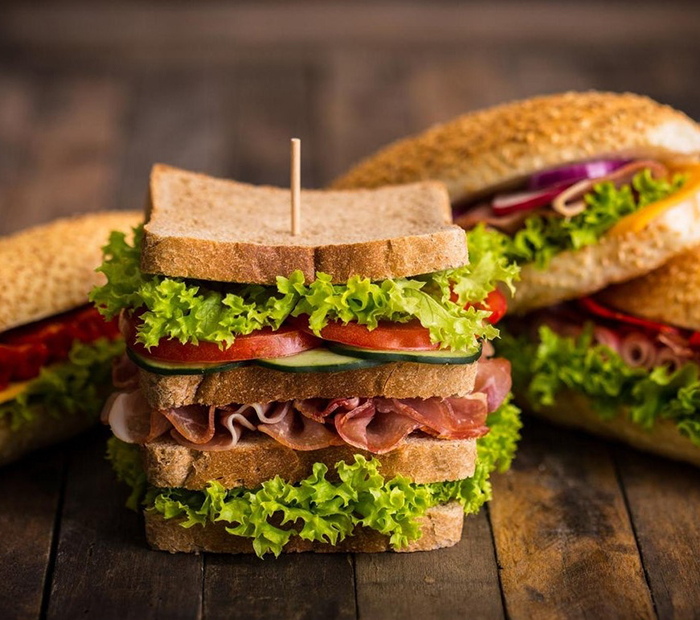
The sandwich, famously named in England, is another everyday staple. Typical fillings include roast meat, cheese, pickles, chicken or ham with salad and mustard, reflecting a preference for simple, practical combinations. They are also frequently served as part of the traditional English afternoon tea!
Fish and seafood are also central to the diet, particularly in coastal areas. Cod is the most commonly used fish for fish and chips, but other species such as haddock, tuna, and salmon are also widely eaten, along with various types of shellfish such as prawns and crab.
Sausages are another important feature of English cuisine, with hundreds of regional varieties. Pork sausages are especially common, although beef versions are also widely available.
Traditional English dishes: what to eat
Despite the old idea that English food lacks variety or quality, there are actually many traditional dishes worth trying. If you find yourself in a pub or restaurant, you will quickly see how much choice there is, especially when it comes to classic comfort food.
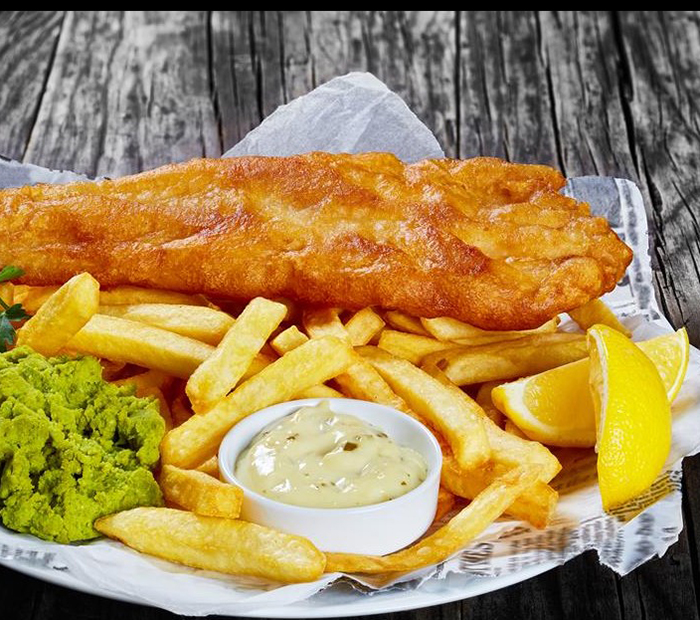
- Fish and chips remains the most iconic dish, consisting of battered fish served with chips, usually seasoned with salt and vinegar. It is widely available across the country, from seaside takeaways to traditional pubs.
- The English breakfast is another well-known meal, although it is typically eaten more as an occasional treat than an everyday routine. It usually includes eggs, bacon, sausages, mushrooms, grilled tomato and toast, often accompanied by baked beans. It is a substantial meal, more likely to be enjoyed at the weekend.
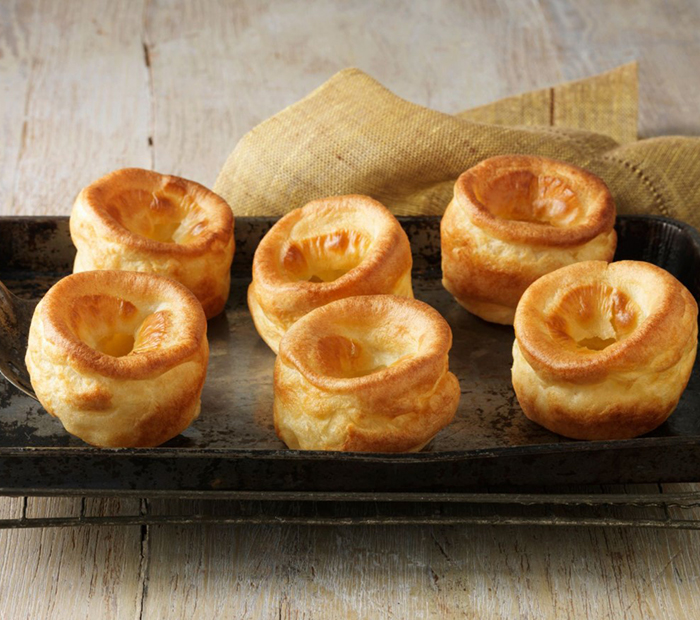
- Yorkshire pudding, made from a simple batter of flour, eggs and milk, is traditionally served alongside roast meat, particularly as part of a Sunday roast. The Sunday roast itself is one of the most important food traditions in England, usually consisting of roasted meat, potatoes, vegetables and gravy, often accompanied by Yorkshire pudding.
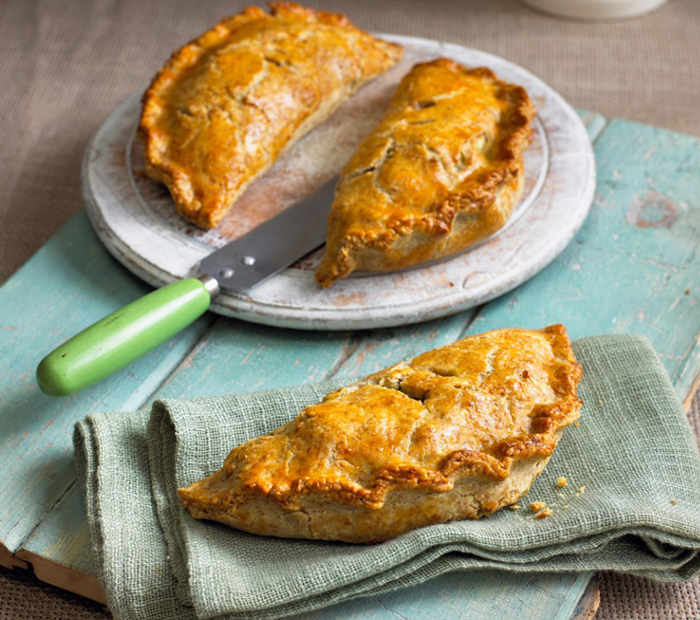
- Cornish pasties, originally from Cornwall, are baked pastries filled with meat and vegetables. They were historically eaten by miners as a convenient, filling meal and are still widely enjoyed today.
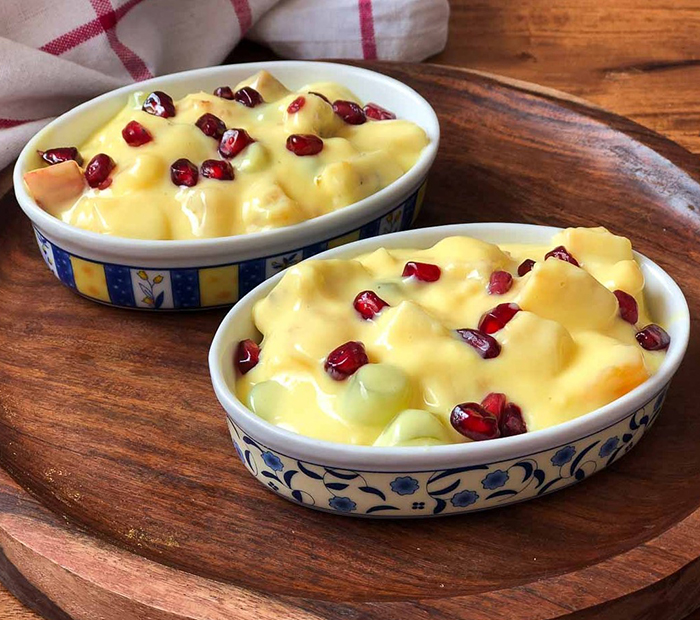
- Comfort desserts are also an important part of English cuisine. Custard, a thick vanilla sauce, is commonly served with sweets such as apple crumble or apple pie, both of which are staples in many households and restaurants.
- Simple dishes like the jacket potato remain popular for their practicality. A baked potato with a crisp skin and soft centre can be filled with a wide range of toppings, from butter and cheese to tuna mayonnaise or coleslaw.
- Shepherd’s pie is another classic, made with minced lamb cooked with vegetables and topped with mashed potato before being baked. When made with beef, it is called cottage pie, while fish-based versions are often referred to as fish pie.
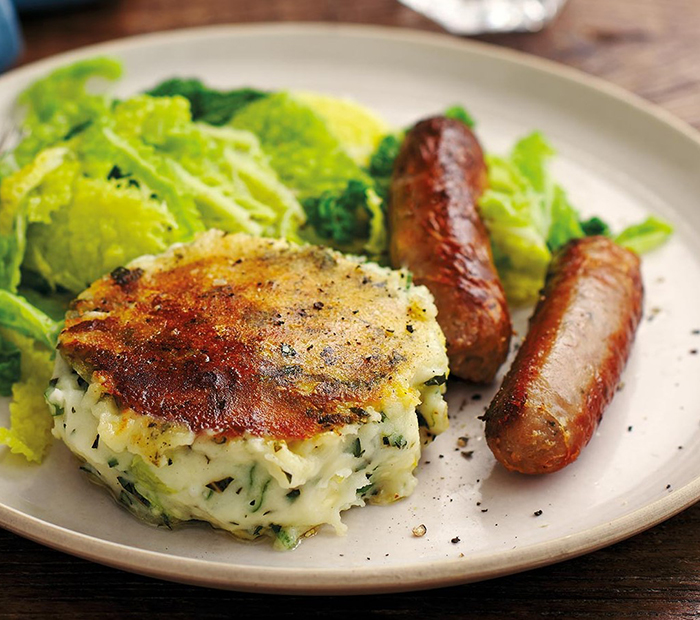
- Bangers and mash, consisting of sausages served with mashed potatoes, is a typical pub dish, while bubble and squeak is a traditional way of using leftover vegetables, usually fried together with potatoes.
Regional specialities also play an important role in English food culture, including dishes such as Dover sole, Cornish crab, Cumberland sausages, lamb pie, and steak and kidney pie.
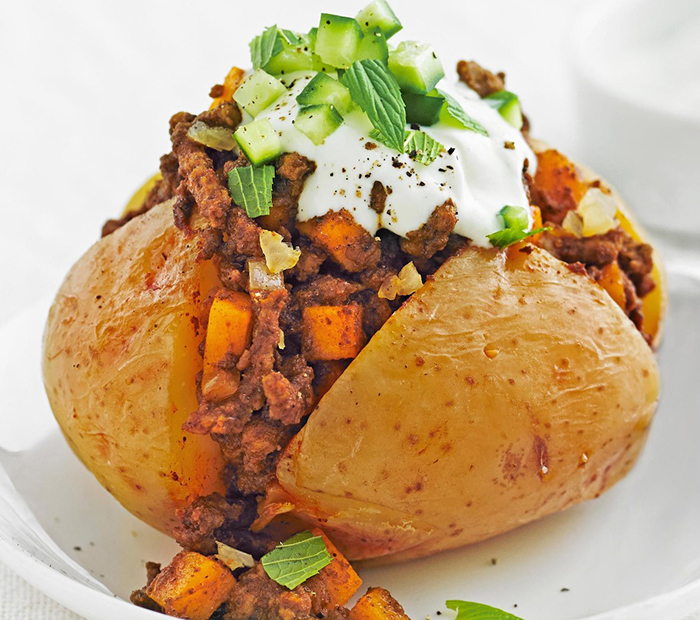
-

- Bangers and mash — pork sausages with mashed potatoes and gravy, a classic British pub dish
What are the typical drinks of England?
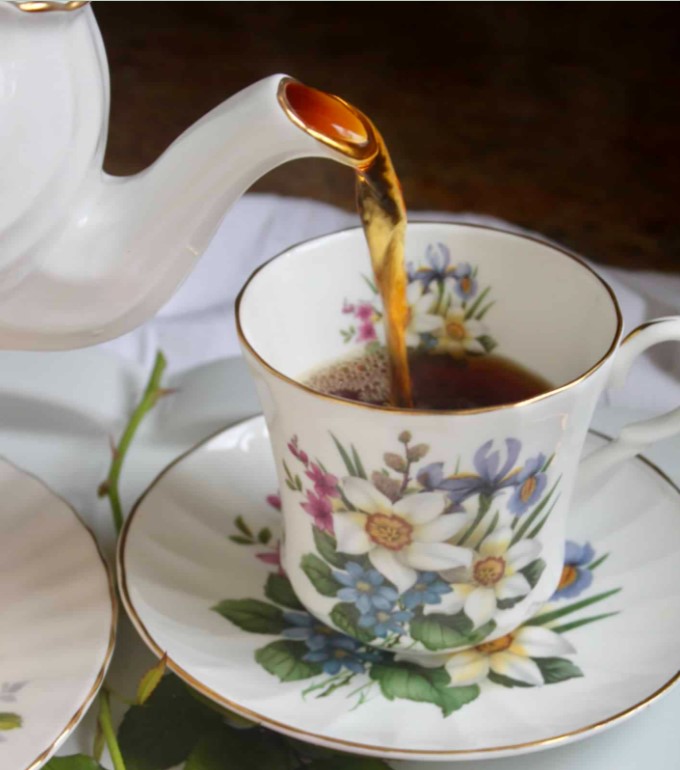
Tea is undoubtedly the drink most closely associated with England. Black tea is the most common, often served with milk and sometimes sweetened with sugar or honey, although preferences vary.
It is drunk throughout the day, whether on its own or as part of afternoon tea, where it is accompanied by cakes, scones or sandwiches. This tradition remains one of the most recognisable aspects of English food culture.
Coffee is also widely consumed, typically as either black coffee or with milk. It is commonly enjoyed at breakfast or alongside meals, reflecting more modern habits.
Among alcoholic drinks, beer is especially popular, particularly in pubs where it is a central part of social life. It is often chosen over other alcoholic drinks, which tend to be more expensive.
Typical English food: where to eat in England
Pubs have long been at the heart of English food culture. While they originally focused on serving drinks and simple snacks, they gradually began offering more substantial meals, including pies and traditional lunchtime dishes such as the Ploughman’s Lunch.
From the 1970s onwards, many pubs expanded their menus to include classic dishes such as the Sunday roast, shepherd’s pie, bangers and mash and fish and chips. Today, it is very common to visit a pub not just for a drink, but for a full meal.
Takeaways are another important part of everyday food culture, offering quick and convenient options such as fish and chips, pies and other street-style foods that can be eaten on the go.
At the same time, England has a wide range of restaurants serving both modern British cuisine and international dishes, reflecting the country’s multicultural identity. Whether you choose a traditional pub or a contemporary restaurant, there are plenty of opportunities to experience the full range of English food.
______________________________________________________________
 Andrea Barbieri is General Manager of L’Astrolabio and VIVA, two Italian operators specialising in group study holidays abroad. He has led the company’s network of four travel agencies for over a decade, overseeing programmes that have taken more than 120,000 students to language destinations across the UK, Ireland, the United States, Malta and beyond.
With over 30 years of experience in education travel and digital communication, Andrea brings a data-driven approach to programme design, cost transparency and content strategy. Before joining L’Astrolabio, he founded and led several digital marketing companies, where he developed the analytical frameworks he now applies to student mobility and agency partnerships.
At L’Astrolabio and VIVA, he is responsible for destination strategy, product quality and the educational experience delivered to students, families, schools and the travel agencies that partner with the group. His editorial focus is on providing accurate, practical and unbiased information to help families, teachers and agency partners make informed decisions about study abroad programmes.