
News

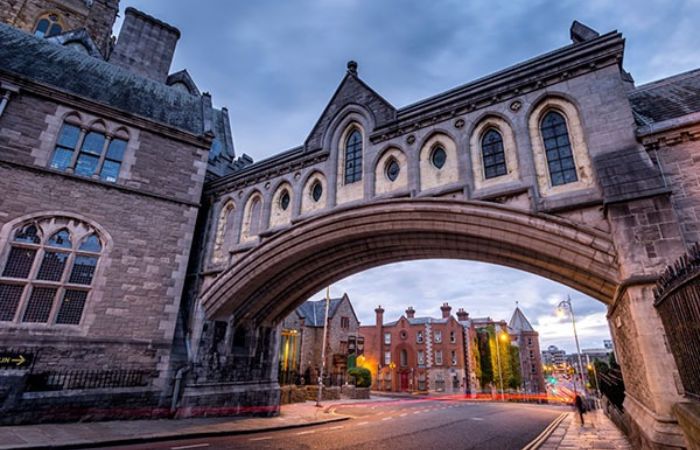
Things to see in Dublin: The best attractions and places to visit

Trying to find things to see in Dublin? Well, although the city might be famous for Guinness and Jameson Irish Whiskey, there's so much more to the Irish capital than its traditional pubs and drinking culture. With centuries of history, fascinating museums, beautiful architecture and a thriving cultural scene, Dublin has plenty to offer


2026-10-30T19:41:53+01:00October 21st, 2026|

5 spooky books to read in English this Halloween

Halloween is almost here! With the nights getting longer, the weather turning colder and spooky season in full swing, there's no better time to curl up and learn a language with books to read in English this Halloween. Reading English books is one of the best ways to improve your language skills outside the

2026-10-20T16:10:38+02:00October 13th, 2026|

9 Halloween traditions from around the world

Halloween traditions are loved and celebrated by children and adults, arriving at that time of year when, across much of the Northern Hemisphere, the leaves are changing colour, October brings colder weather and seasonal favourites such as apples and pumpkins return to our kitchens. Halloween is also known as All Hallows' Eve or All

2026-10-07T17:02:07+02:00October 4th, 2026|

Explorers: the English course for children aged 7 to 11

An eight-year-old child and a fourteen-year-old do not learn in the same way. Their interests, attention spans, independence, relationships with others and the way they take part in activities are all different. That is why simply dividing students into classes according to their English level and giving everyone the same junior course is not

2026-08-28T10:00:36+02:00August 14th, 2026|

Trailblazers: the English course for students aged 14 to 17

Between the ages of fourteen and seventeen, studying English should not simply mean revising grammar rules or completing more difficult exercises. Older teenagers should be given opportunities to use the language to support an opinion, compare ideas, make decisions, create content and take responsibility within a group. That's why a specifically designed English course

2026-08-28T10:02:38+02:00August 10th, 2026|

Voyagers: the English Course for 11 to 14-Year-Olds

Our Voyagers English course for 11 to 14-year-olds is designed for this age group specifically, because young people’s interests, independence, relationships with their peers and the way they engage in lessons can change quickly. A 12-year-old no longer needs the same activities as a primary school child, but they are not yet a secondary

2026-08-28T10:02:04+02:00August 6th, 2026|

How to Handle the First Day of a Study Holiday Abroad

The first day of a study holiday abroad is often the most delicate moment for both students and parents. Excitement, anxiety, homesickness and the need to find your bearings all come together during those first few hours. This page explains what to expect when you arrive, which emotions are perfectly normal, how to prepare

2026-07-29T10:44:16+02:00July 31st, 2026|

William Wallace: the real story behind Braveheart and where to follow in his footsteps across Scotland

From Scottish history to Hollywood legend, William Wallace remains one of the most controversial historical figures ever portrayed on screen. In 1995, Mel Gibson transformed the life of William Wallace into a hugely successful Braveheart that is still remembered today. The reality, however, is rather different. While the film accurately captures some parts of

2026-07-29T11:58:44+02:00July 25th, 2026|

The benefits of bilingualism: real advantages, limitations and common myths

We've all heard that speaking and using two languages allows you to communicate with more people, access different cultures directly and feel more confident in international settings. But what, exactly, are the legitimate, tangible benefits of bilingualism? There are many, but they shouldn't be turned into unrealistic promises. Knowing two languages does not automatically make

2026-07-29T11:37:56+02:00July 22nd, 2026|

What Do Language Levels Really Mean? Understanding A1, B2 and C1

Language levels such as A1, A2, B1, B2, C1 and C2 are part of the CEFR (Common European Framework of Reference for Languages). They help you understand what a student can actually do in a foreign language, rather than simply measuring how many years they've studied it. When you're choosing a study holiday abroad,

2026-07-23T22:52:20+02:00July 17th, 2026|
Go to Top