The United Kingdom is a country steeped in British myths and legends, many of which blur the line between fact and fiction. Over the centuries, these stories have inspired countless tales, some more fantastical than others, but all fascinating in their own way.
Legends are closely connected to British culture, and many have become an important part of the country’s identity. These mysterious stories have been passed down through generations, keeping centuries-old traditions and folklore alive.
From King Arthur and Robin Hood to Tristan and Isolde, here are seven legendary figures and stories that continue to fascinate people across the United Kingdom.
1. King Arthur
King Arthur, whose heroic deeds feature in numerous works of European literature, is a legendary British king who is said to have defended his people against the Saxons during the early sixth century.
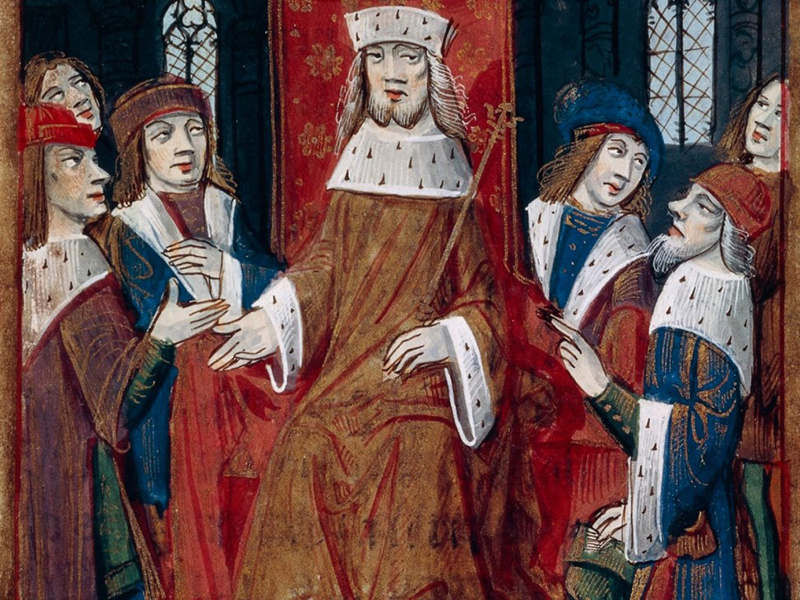
There are many stories surrounding King Arthur. According to legend, he established the Knights of the Round Table, a group of noble warriors who accompanied him on adventures through mysterious forests and castles, battling dragons, giants and other mythical creatures.
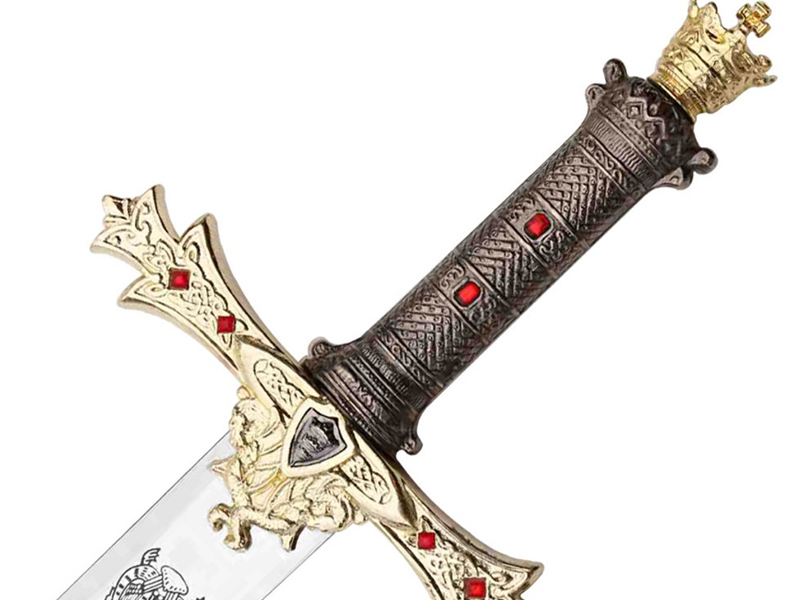
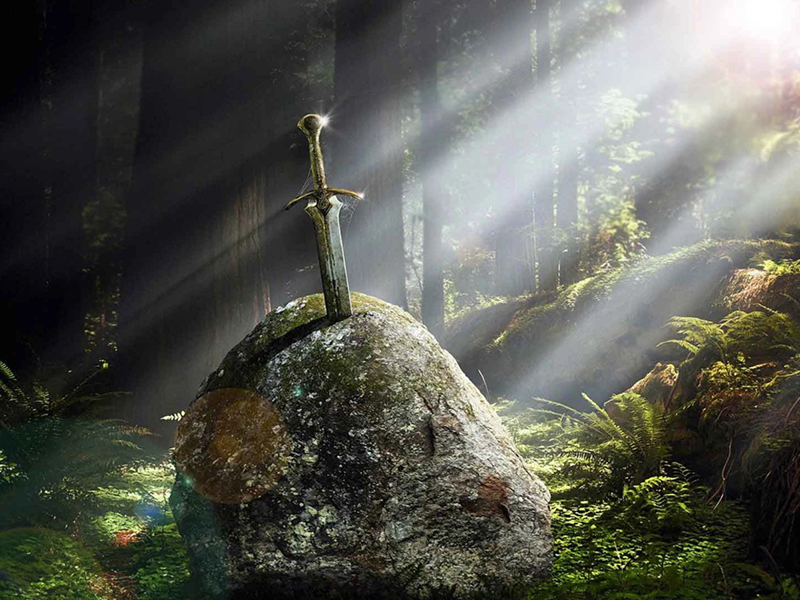
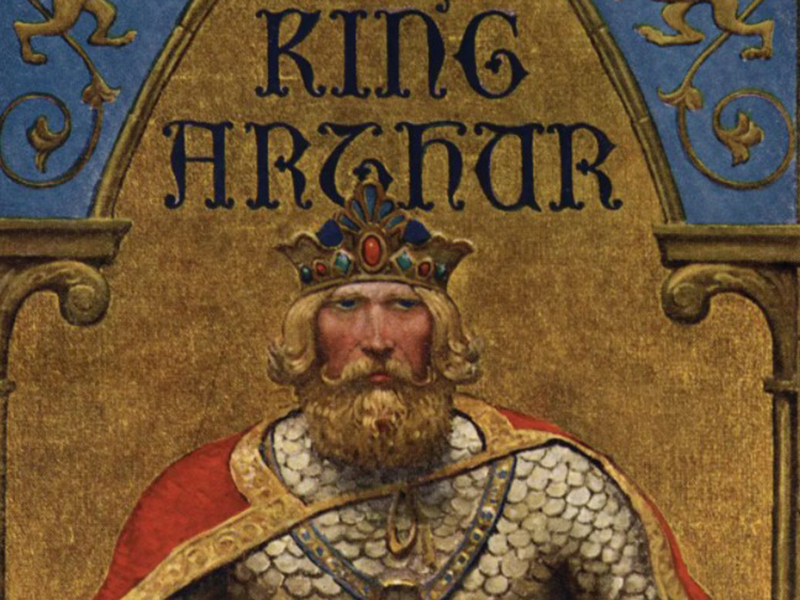
One of the most famous legends tells how Arthur became king after successfully pulling a sword from a stone, a feat that no one else had been able to accomplish. Other stories tell of Excalibur, his magical sword, which is often associated with the wizard Merlin, although some versions say it was given to Arthur by the Lady of the Lake.
Although his story belongs largely to folklore and medieval literature, some historians have suggested that King Arthur may have been inspired by a real historical figure. Whether he actually existed remains a mystery.
2. Robin Hood
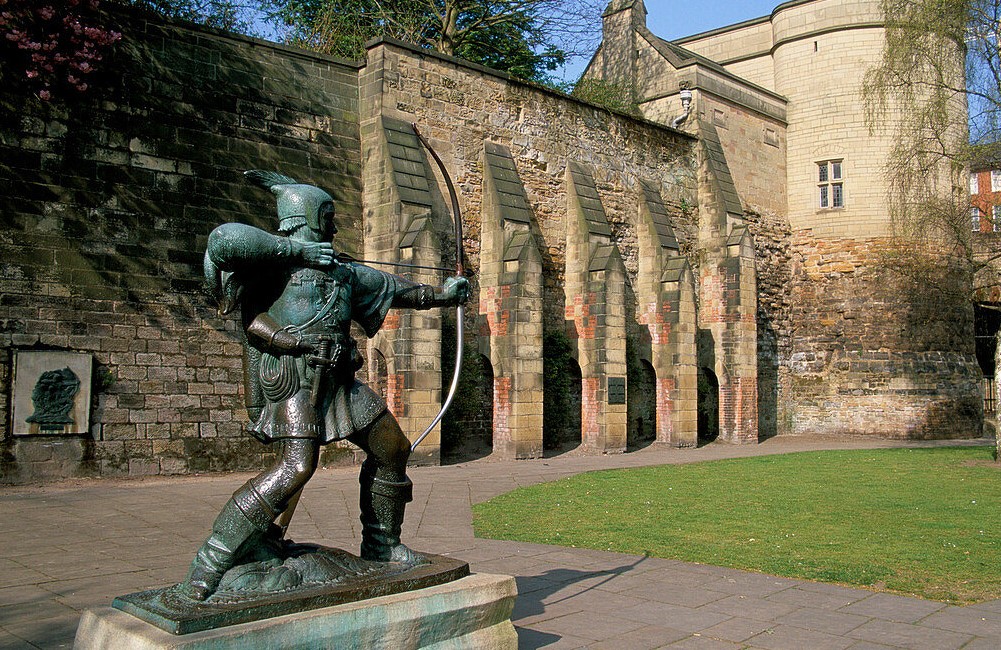
Who hasn’t heard the story of Robin Hood? The legendary outlaw who stole from the rich to give to the poor has become one of Britain’s most recognisable folk heroes.
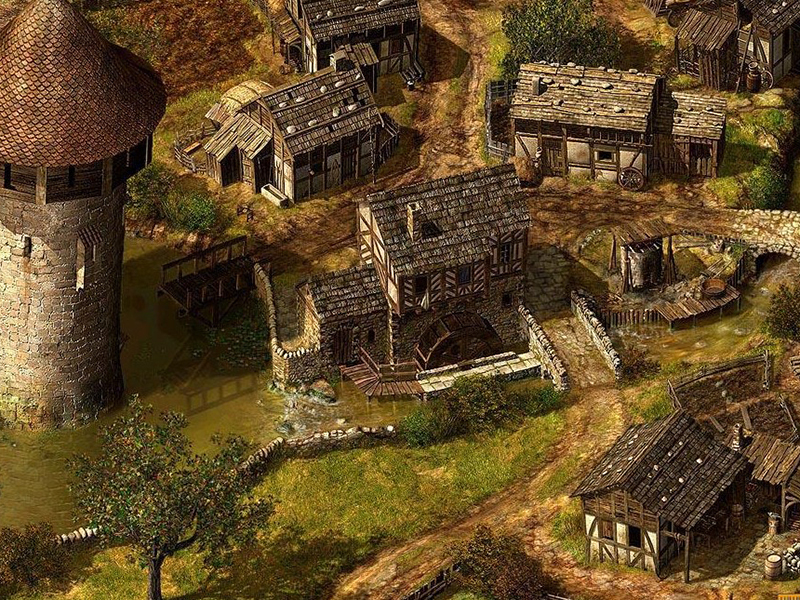
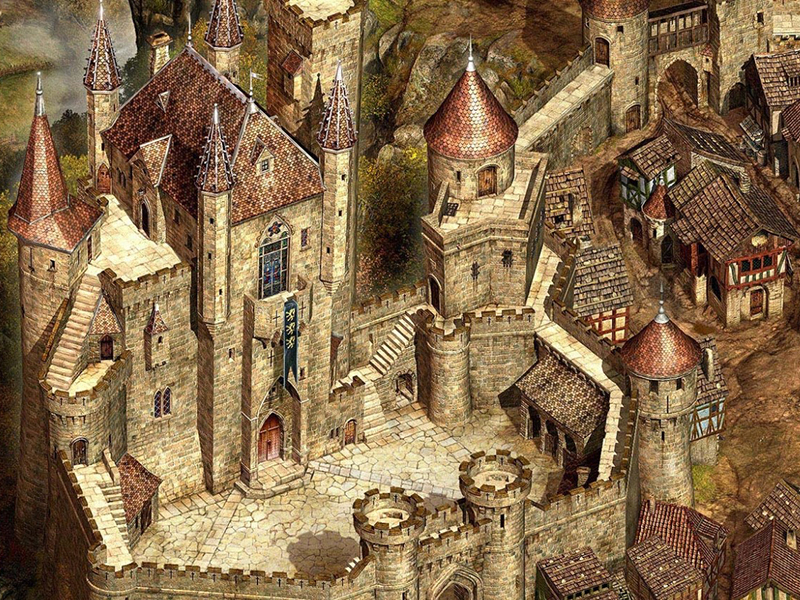
According to legend, Robin Hood was a skilled archer who defended the poor and oppressed. He fought against the corrupt Sheriff of Nottingham and, in later versions of the story, Prince John, who abused their power to enrich themselves at the expense of ordinary people.
Robin Hood is said to have lived in hiding in Sherwood Forest, near the city of Nottingham. The city continues to celebrate the legend of the honourable outlaw, whose story has become one of its best-known tourist attractions.
Today, visitors can explore the places associated with Robin Hood and discover how his legend has shaped Nottingham’s history and identity.
3. The Loch Ness Monster
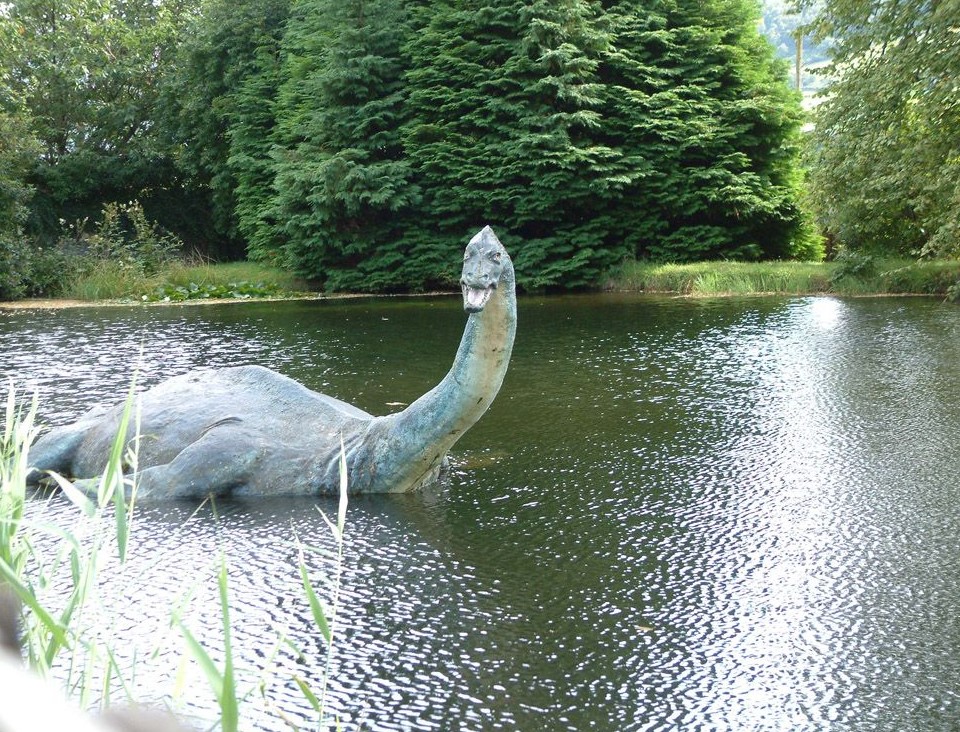
Scotland is home to one of the world’s most famous legendary creatures: Nessie, the mysterious monster said to inhabit Loch Ness, a large freshwater loch near the city of Inverness.
One of the earliest stories associated with a monster in the area dates back to the seventh century, when a biography of St Columba described an encounter with a water beast in the River Ness. However, the modern legend of the Loch Ness Monster became widely known in 1933, following reports of a strange creature in the water.
Since then, stories of a mysterious creature lurking beneath the surface have continued to spread. Over the years, numerous people have claimed to have spotted Nessie, and rewards have even been offered for evidence of the monster’s existence.
Despite countless alleged sightings, photographs and investigations, there is still no reliable scientific evidence that Nessie exists. Nevertheless, Loch Ness remains a fascinating place to visit, whether you’re hoping to spot the legendary monster or simply enjoy the beautiful Scottish scenery.
4. The Witch of Wookey Hole
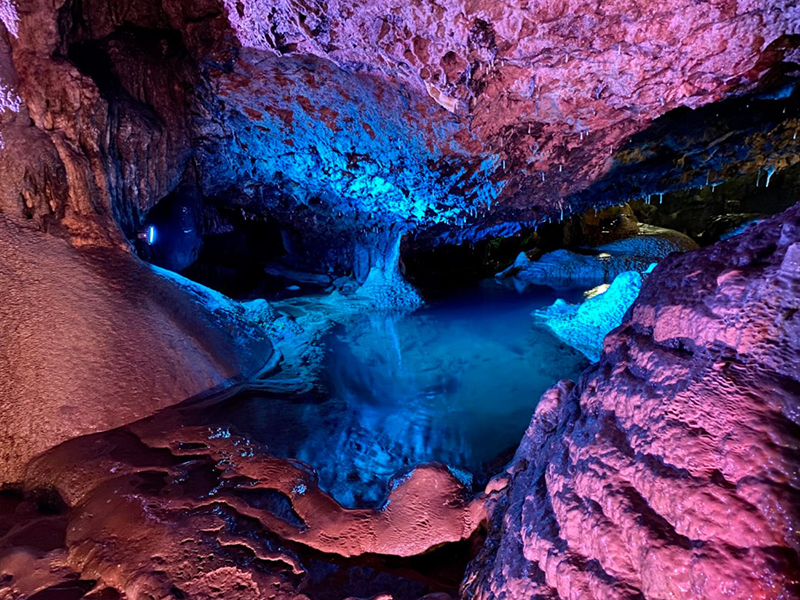
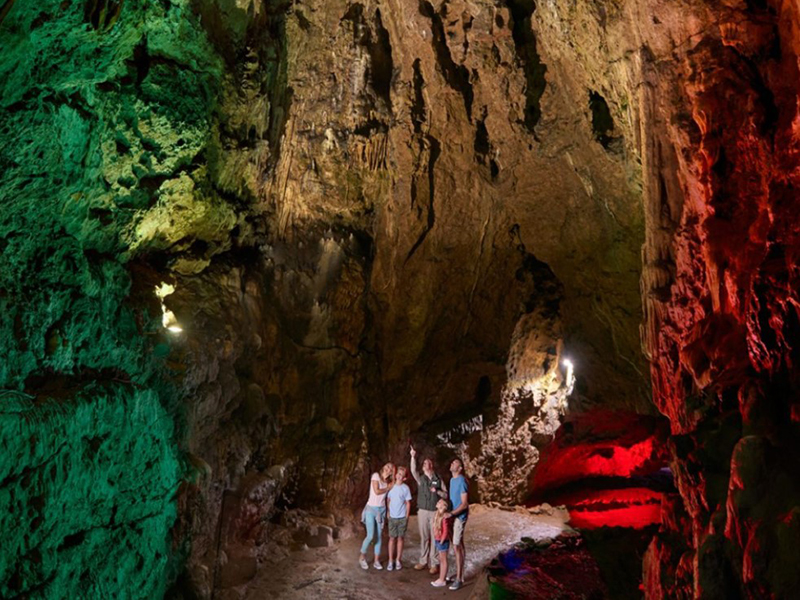
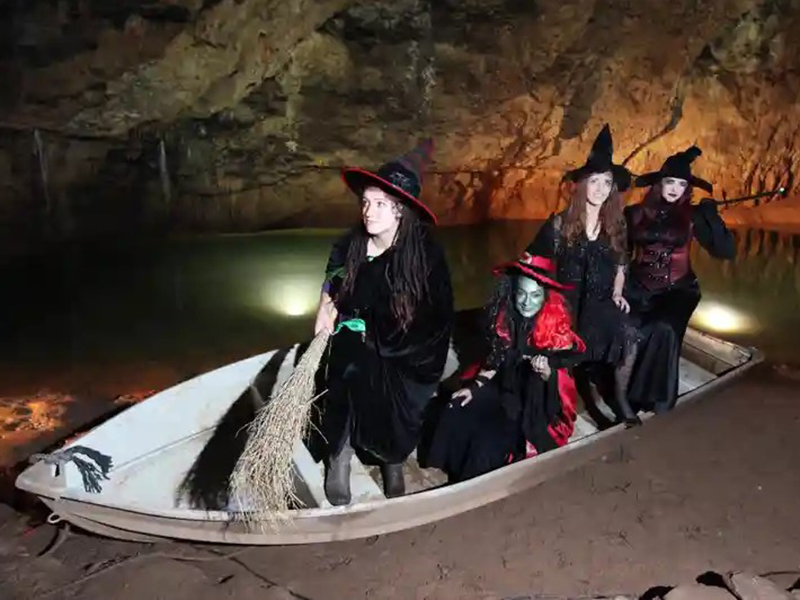
Long ago, in the depths of Wookey Hole Caves in Somerset, there lived an evil witch who terrified the local villagers.
According to legend, the people of Wookey sought help from Father Bernard, a Benedictine monk who was believed to have the power to drive away evil spirits. They begged him to rid their village of the dangerous witch.
Father Bernard entered the caves and found the witch stirring a cauldron. He collected water from a small underground stream, blessed it and threw it over her. The moment the holy water touched the witch, she turned to stone.
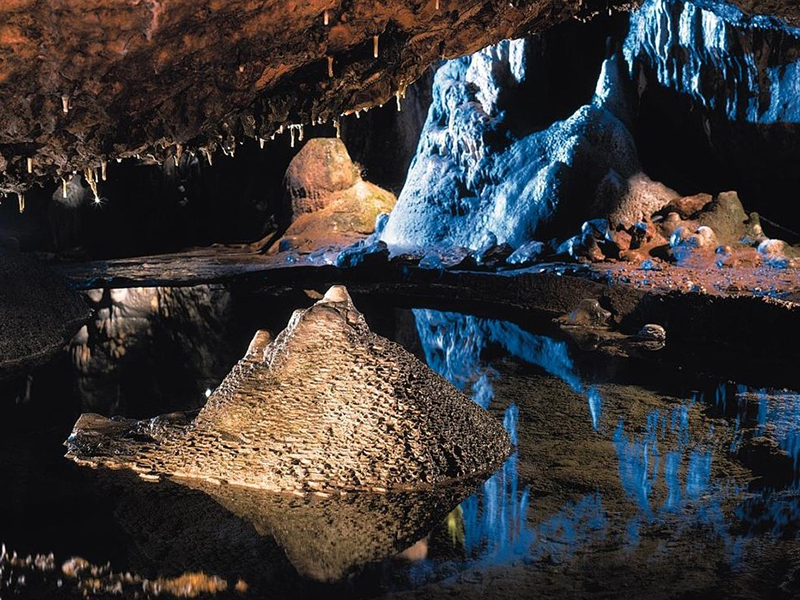
Today, visitors to Wookey Hole Caves can still see a distinctive rock formation that, according to local folklore, is the petrified figure of the witch who lived there centuries ago.
5. Jack the Giant Killer
The legend of Jack the Giant Killer tells the story of Cormoran, a fearsome giant who built his fortified home on St Michael’s Mount, a tidal island just off the coast of Marazion, near Penzance in Cornwall.
From his island stronghold, Cormoran terrorised the people of the nearby coastal village, stealing their livestock and causing destruction.
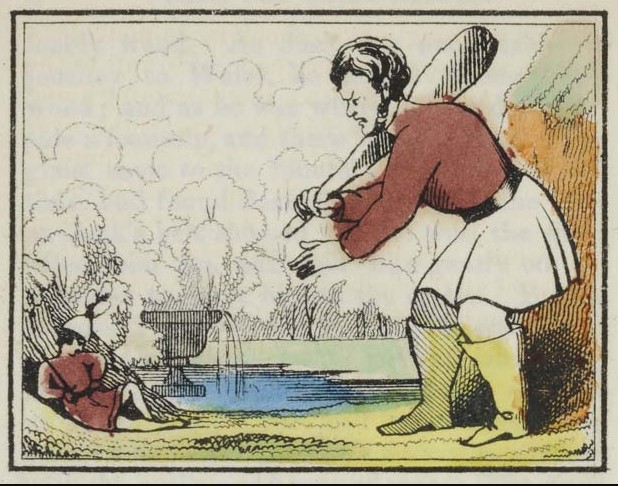
One night, Jack, a clever young local boy, decided to confront the giant. He made his way to the island and dug an enormous pit, which he carefully covered with straw to disguise it.
When Cormoran emerged, he fell into Jack’s trap and was unable to escape. In some versions of the legend, Jack then killed the giant with a pickaxe.
According to local folklore, if you place your ear against a particular rock on St Michael’s Mount, you may still be able to hear the beating of the giant’s heart.
6. Tristan and Isolde
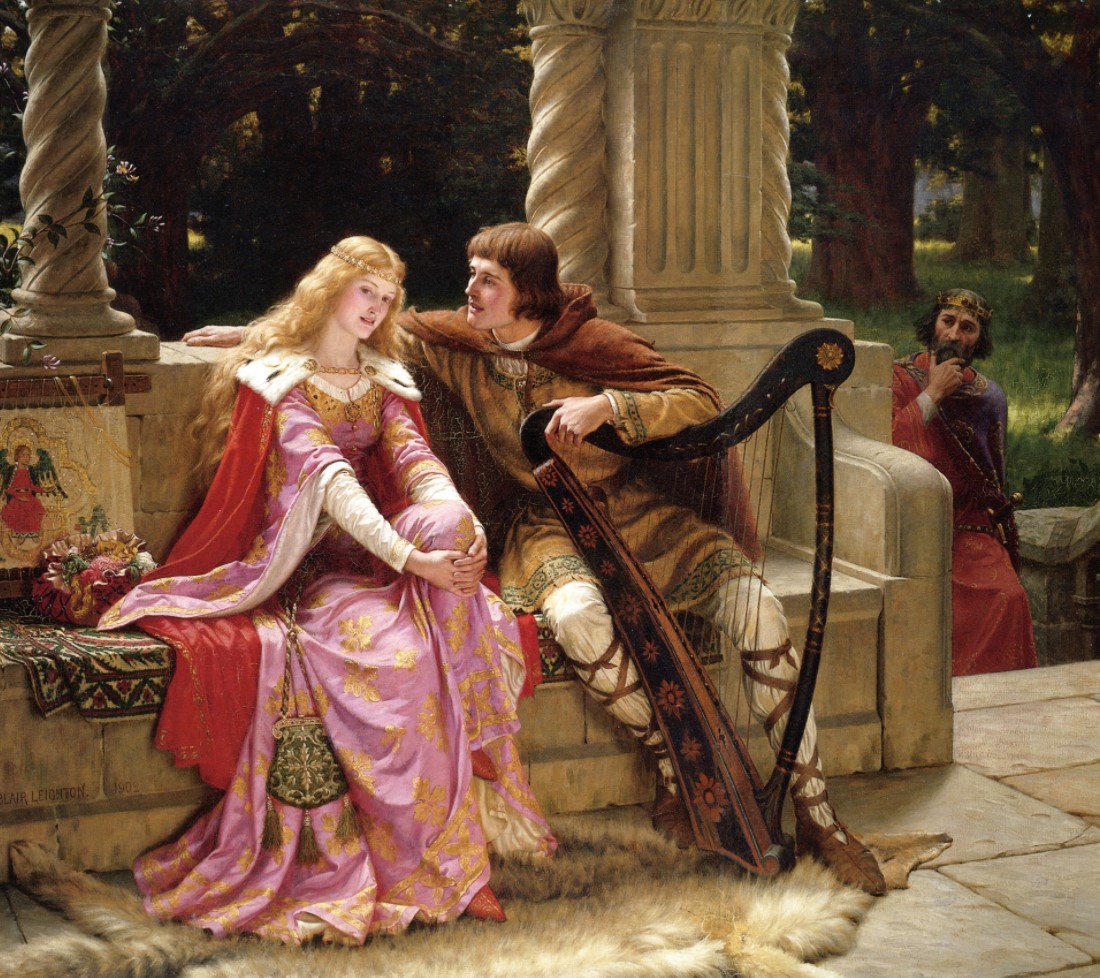
One of Britain’s most famous medieval romances tells the tragic story of Tristan and Isolde, a knight and an Irish princess whose forbidden love leads to betrayal and heartbreak.
There are several versions of the legend, and Tristan was later incorporated into Arthurian stories as one of the Knights of the Round Table. However, the central theme remains the same: a knight betrays his lord because of a love he cannot resist.
Tristan is entrusted with escorting Princess Isolde to the court of King Mark of Cornwall, where she is to marry the king.
However, during their travels, Tristan and Isolde accidentally drink a magical love potion intended for Isolde and King Mark. As a result, the two fall hopelessly in love.
Unable to resist their feelings, Tristan betrays his loyalty to King Mark, setting in motion a tragic love story that has inspired writers, composers and artists for centuries.
7. William Wallace, Braveheart
Sir William Wallace is one of Scotland’s most celebrated national heroes. Unlike the other figures on this list, there is no historical doubt that he really existed.
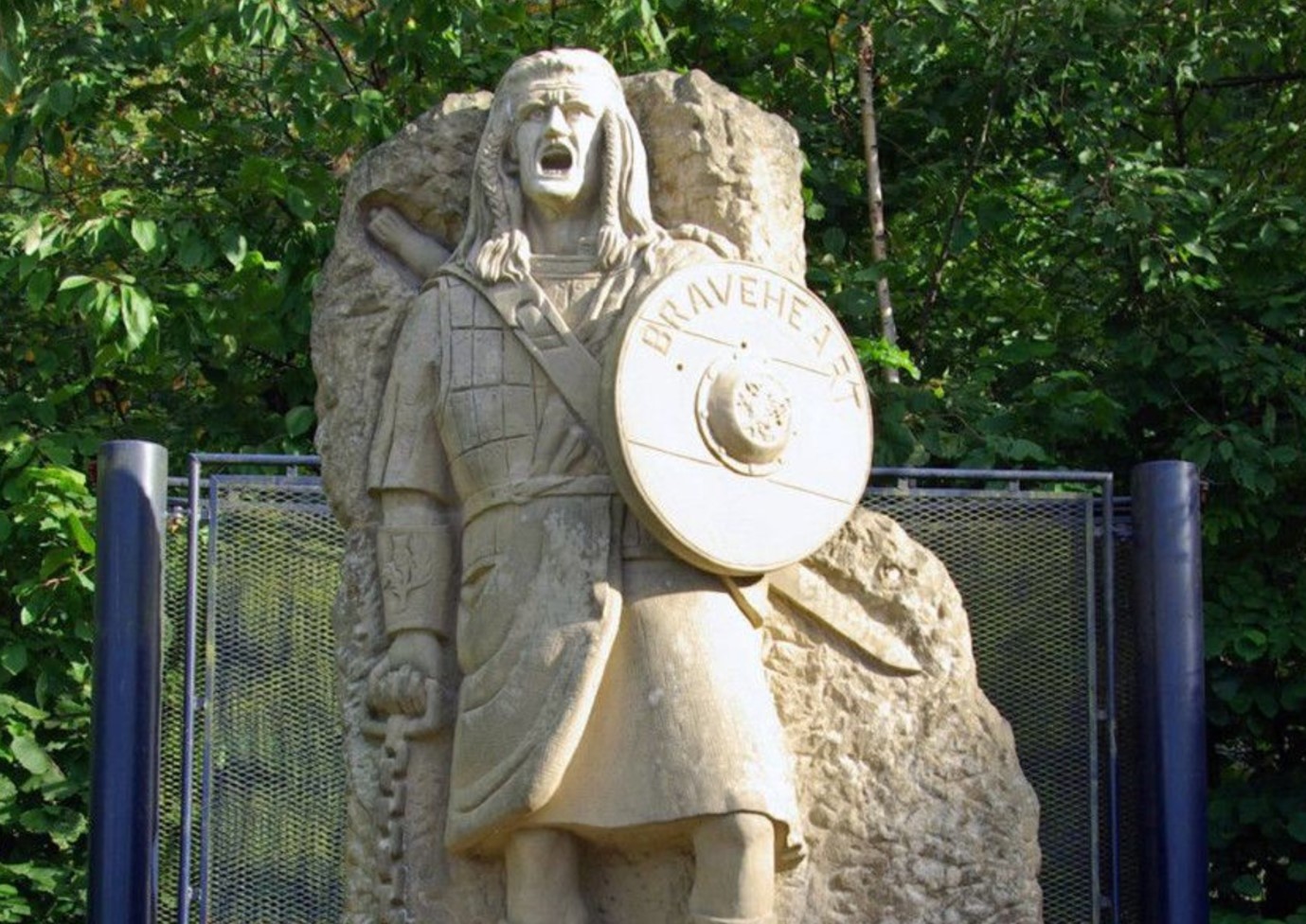
Wallace fought against English rule during the late thirteenth and early fourteenth centuries, becoming a symbol of Scotland’s struggle for independence. His remarkable life has inspired numerous novelists, poets, musicians and filmmakers, including Mel Gibson, whose 1995 film Braveheart remains famous today.
Beyond the historical records, many epic legends have developed around William Wallace, celebrating his courage, leadership and determination.
What we know for certain is that Wallace was a Scottish knight who became one of the leading figures in the First War of Scottish Independence. In 1297, he helped lead the Scottish forces to victory against the English at the Battle of Stirling Bridge.
However, his story ended tragically. After being captured by the English in 1305, Wallace was taken to London, where he was tried and executed for high treason against the English Crown.
Although many details of his life have been romanticised over the centuries, William Wallace remains an enduring symbol of Scottish independence and national identity.
Discover British myths and legends on your next study holiday
From the mysterious waters of Loch Ness to the legendary home of Robin Hood, Britain’s myths and legends are closely connected to places you can still visit today.
Why not discover some of these stories for yourself? With Astrolabio’s study holidays in the UK, you can practise your English while experiencing British culture and exploring the history behind some of the country’s most famous legends.