If you want to improve your English, you now have the chance to do it with us at Astrolabio, right in one of the most authentically English places you could imagine: the Royal Agricultural University in Cirencester, with its Gothic atmosphere, timeless tradition, and outstanding quality.
If improving your English is one of your goals, you now have the chance to do it with Astrolabio at the Royal Agricultural University in Cirencester. Imagine yourself surrounded by Gothic-style buildings, steeped in tradition, and supported by services of the highest quality. This is what you’ll find at the RAU, a setting that feels unmistakably British in every way.
Here, you don’t just study the language. You live it every day in an environment that reflects the very essence of English culture. From the historic architecture that gives the campus its unique atmosphere, to the traditions that still shape student life, to the modern facilities that make studying comfortable and rewarding, everything around you encourages learning and growth.
Together, we’ll explore the history that built the university’s prestige, the future-focused projects that aim to create a more sustainable world, and the lively student community you could soon become a part of. At the RAU, every corner tells a story, and every experience gives you the chance to take your English further than you thought possible.
From agricultural college to university of excellence
The Royal Agricultural University, or RAU, is a leading academic institution in the UK and beyond. It brings together almost two centuries of history with a constant drive for innovation in agriculture, environmental sciences, and land management.
It all started back in 1842, when farming was at the very heart of Britain’s economy. At a meeting of the Fairford and Cirencester Farmers’ Club, Robert Jeffreys-Brown gave a passionate speech on the importance of specialised education for agriculture. His words lit the spark for what would become the Royal Agricultural College.
Soon after, a general committee was formed, chaired by Henry Bathurst, the 4th Earl Bathurst. There was no government support, so the funds were raised through public subscriptions. Wealthy landowners and farmers invested in the idea, convinced it was needed for the future of British farming.
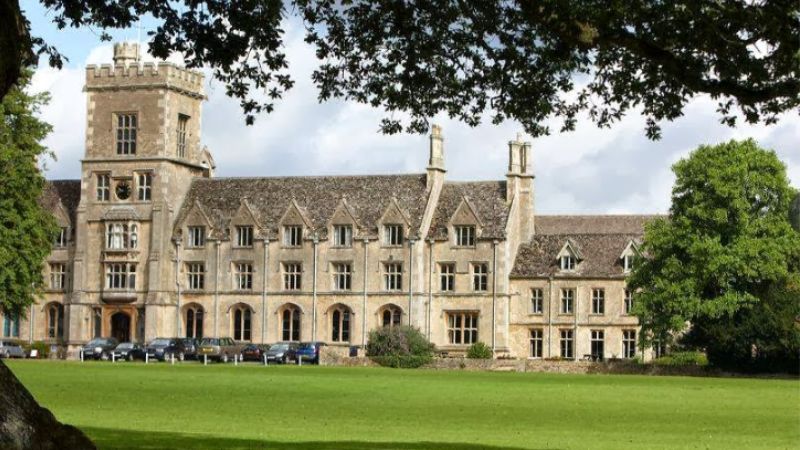
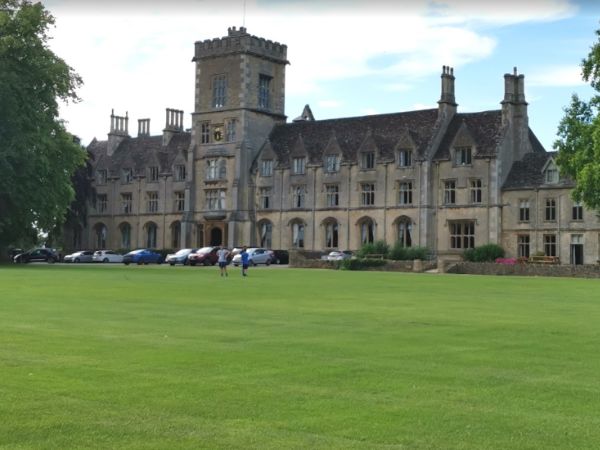
By 1845, work had begun on the striking main building, designed in the Tudor Gothic style by architects S. W. Daukes and John R. Hamilton, and built by Thomas Bridges of Cirencester. That autumn, the first 25 students arrived and the college was officially open.
That same year, Queen Victoria granted the institution the privilege of calling itself “Royal”. This royal connection became part of its identity, with each monarch since then acting as patron. The support and recognition of the Crown helped the college flourish, grow in reputation, and eventually achieve full university status in 2013, when it became the Royal Agricultural University.
Since its foundation, the RAU has trained generations of professionals in agriculture, land management, and environmental science. Over time, it has adapted to new challenges such as climate change, sustainability, and technological change, always with the aim of preparing its students for the world they will step into after graduation.
The Gothic atmosphere of the campus
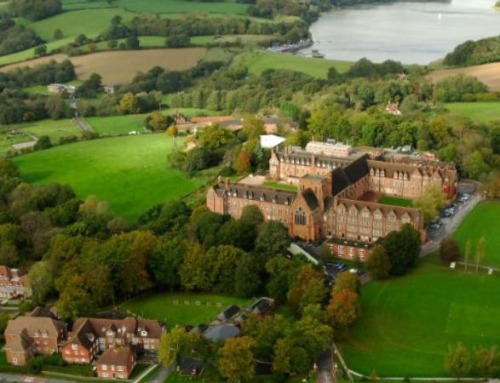
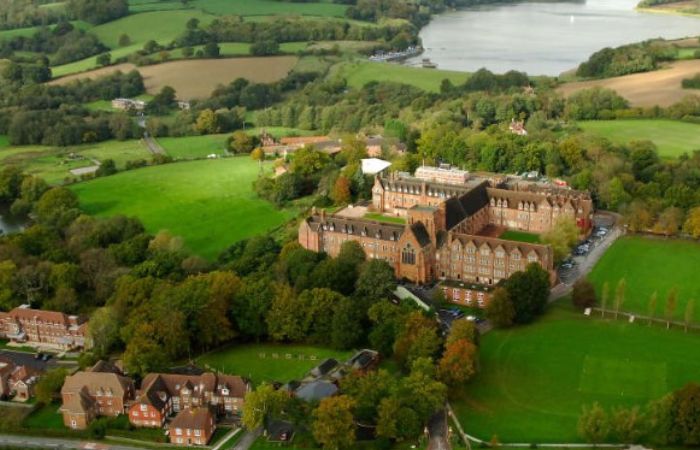
Walking around the RAU campus feels like stepping into another time. The main building, with its towers and stone details, reflects the grandeur of Victorian Gothic design.
The atmosphere is so striking that many visitors compare it to Hogwarts. Like the fictional school of magic, the RAU has an aura of tradition, mystery, and charm. It’s easy to feel inspired when you study in a setting that looks like it belongs in a storybook.
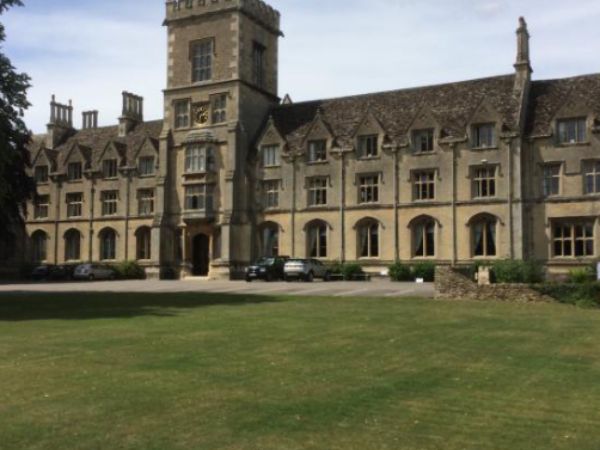
The architecture isn’t just beautiful. It also represents the ambition of those who built the university, and the continuing pride of those who study there today.
RAU’s academic programmes
The Royal Agricultural University offers a wide range of courses designed to meet the demands of the modern world. Agriculture is at its heart, but the programmes also cover land management, environmental studies, equine science, and food production.
You’ll find undergraduate degrees, postgraduate courses, PhDs, and professional training programmes. Each one is carefully structured to provide both theoretical knowledge and practical experience.
The aim is to give students the skills they need to succeed in their chosen careers, whether they want to manage a farm, contribute to sustainable food production, shape environmental policy, or pursue research at the highest levels.
Research and innovation
One of the university’s strongest commitments is its contribution to research. Much of this focuses on sustainable farming, resource management, biodiversity, and food security.
Projects are carried out in partnership with businesses, government organisations, and other universities. This collaborative approach means that the work done at RAU has a direct impact, helping to develop solutions that can be applied to real agricultural and environmental challenges.
What makes this research stand out is its multidisciplinary nature. Experts from different fields work side by side, which makes it possible to address problems not just from one angle but from many. The result is practical innovation that respects both society and the environment.
Student life at the RAU
The university is home to a lively and diverse student body. People come from across the UK and from countries around the world, creating an international and inclusive environment.
The campus itself is designed to support student wellbeing. There are modern classrooms, well-stocked libraries, and study spaces. Support services are always available, whether you need academic advice, career guidance, or health and wellbeing resources.
Sports are also a big part of life at RAU. The campus has excellent facilities including football pitches, tennis courts, and gyms. For those who prefer cultural activities, there are clubs, societies, and student-led events covering everything from music and drama to volunteering and community projects. Students at the RAU can join clubs, sports teams, cultural groups, and volunteer organisations. These activities give you the chance to develop friendships, discover new interests, and build valuable skills such as teamwork and leadership.
Cirencester, the home of the RAU
The university is located in Cirencester, a charming market town in the heart of the Cotswolds.

The town’s narrow streets are lined with medieval buildings, traditional stone cottages, and inviting shops. Walking through Cirencester feels like travelling back in time, yet it remains lively and welcoming.
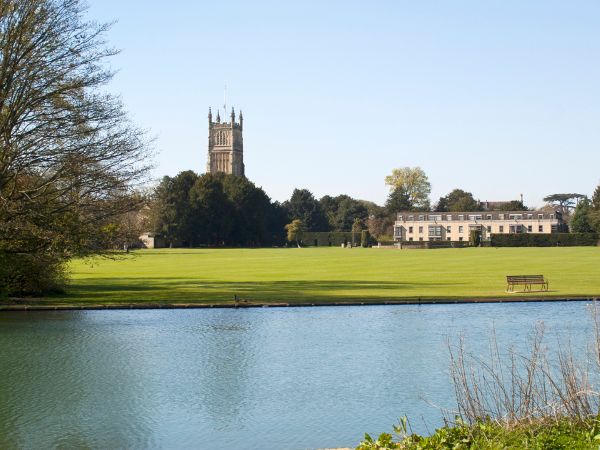
Landmarks include the impressive parish church of St John the Baptist, one of the largest in Gloucestershire, as well as the remains of the Roman amphitheatre and the old city walls. The Corinium Museum tells the story of Cirencester’s Roman past, while Abbey House Gardens provide a tranquil space filled with beautiful plants and flowers.
The town is also famous for its markets, where local farmers and artisans sell produce and crafts. Around the town, the rolling hills and green valleys of the Cotswolds offer endless opportunities for walking, cycling, and exploring.
Cirencester is the perfect place to experience English life: historic, picturesque, but also full of energy and culture.
Choose the Royal Agricultural University in Cirencester for your Astrolabio Study Holiday
With an Astrolabio study holiday at the Royal Agricultural University you’ll find quality English language teaching, inspiring research, and a welcoming community. And in Cirencester you’ll experience English history and tradition at its best.
If you’d like to know more about how we at Astrolabio can help you take part in a study holiday at the RAU, contact us today. Together we can create an experience that will improve your English and give you unforgettable memories.