
Why learn a language in summer?
Summer is the best time to learn a language because it combines more free time, meaning more mental energy, and real opportunities for immersion. Without the pressure of school and with longer days, it becomes easier to learn in a natural and consistent way!
What makes summer learning more effective?
During summer, several factors come together to create the perfect setting for language learning.
- More time available to study and practise
- Less stress than during the school year
- More opportunities to socialise
- Practical, everyday experiences in the language
- Greater motivation thanks to a more active setting
This combination allows you to learn faster than through a more traditional approach.

How does free time affect learning?
Free time is one of the most underestimated parts of language learning. During the year, independent study is often broken up and limited. In summer, by contrast, it becomes more consistent.
Why is it important?
Daily, regular practice is one of the most important ways to build real familiarity with a language, allowing learning to happen gradually and naturally. It also supports long-term memory, because your brain has the time it needs to absorb and process information without becoming overloaded.
It also significantly reduces the forgetting that can happen between one lesson and the next, avoiding the interruptions that often slow progress down. Studying consistently also gives you the chance to experiment without pressure, meaning you can learn from mistakes more calmly and without punishing yourself. When learning happens without long gaps, information settles more effectively, making the process more long-lasting.
The importance of language immersion
One of the main reasons summer is so effective for language learning is the chance to have an immersive experience, where learning is not limited to specific moments but becomes part of daily life. A study holiday abroad is the perfect example of this. This approach allows you to connect with the language in a real way, using it in natural and spontaneous situations.

But what does language immersion actually mean?
It is a method in which the language is used throughout the day, not only during lesson time. From informal conversations to everyday activities, every situation becomes a chance to listen, speak, and understand. In this way, the language stops being only something you study and becomes a natural tool for communication.
What really changes?
- You begin to think in the language
- You develop more spontaneous communication
- You pick up real, everyday expressions
- You overcome the fear of making mistakes
Immersion turns learning from something theoretical into something practical.
Why do you learn faster outside the classroom?
Traditional learning is often limited to theory, with a focus on grammar rules and structured exercises. In summer, by contrast, you learn by doing, through real experiences that require immediate use of the language.
Traditional learning
Simple situations such as ordering food in a restaurant, asking for directions, taking part in informal conversations, or making new friends become real opportunities for practice. In these moments, you do not have time to mentally translate or think too much about rules. You communicate spontaneously.
That need to express yourself in a genuine way speeds up the learning process and makes it more natural, effective, and lasting over time.
The role of emotions in learning
Summer is the best time to learn a language because it’s naturally linked to positive emotions such as freedom and enjoyment, and these directly influence the way you learn. When you are having a positive experience, your brain is more receptive and tends to remember information more easily.
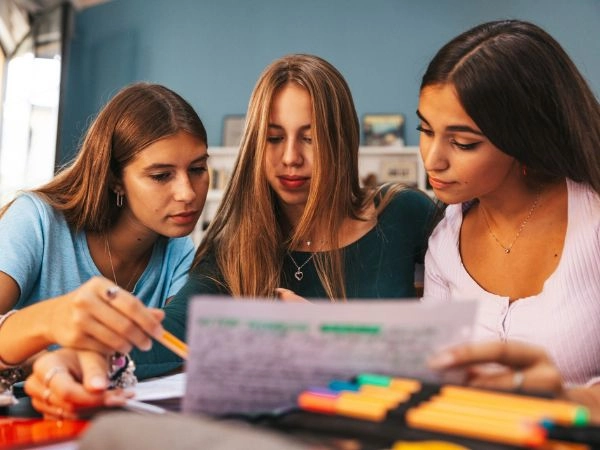
Emotions strengthen memories and create deeper connections between what you learn and the setting in which you learn it, meaning that a word or expression learned during a meaningful moment is easier to remember. Learning in a positive atmosphere also reduces anxiety and increases motivation, making the whole process more effective and more engaging!
Why do emotions help?
- They make experiences memorable
- They support the link between words and context
- They increase motivation
- They reduce anxiety
Learning while enjoying yourself is one of the most effective methods.
Socialising and language: a fundamental link
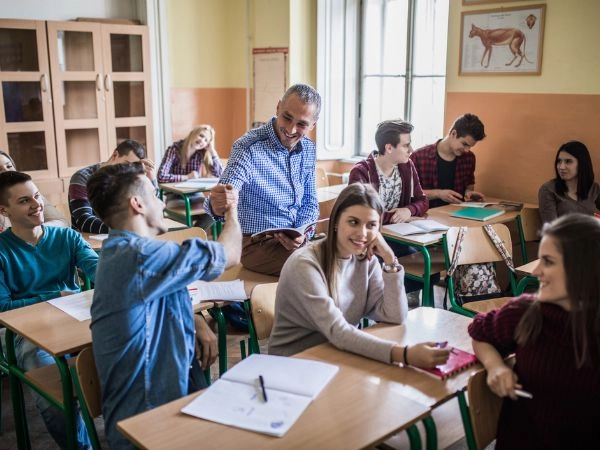
During summer, opportunities for interaction increase significantly, creating the ideal setting to use the language in a spontaneous and continuous way. Socialising becomes an integral part of learning. Speaking with other people, sharing experiences, and taking part in group activities allows you to use the language in real and active settings.
Socialising among students
This kind of interaction helps improve not only fluency, but also pronunciation and comprehension. It also encourages you to adapt the way you communicate and expands your vocabulary with authentic expressions, making learning more natural, effective, and long-lasting.
Why is speaking with others so important?
- You practise the language in a real way
- You improve pronunciation and fluency
- You learn everyday expressions
- You gain confidence
Social relationships become a very powerful learning tool.
Which activities help the most?
Not all activities have the same impact on language learning, but some are especially effective because they encourage interaction and spontaneous use of the language. Activities such as team sports, excursions, creative workshops, and cultural events create real situations in which communication becomes natural, encouraging participation, comprehension, and fluency in an active and enjoyable way.
Recommended activities
- Team sports
- Excursions and trips
- Creative workshops
- Cultural events
- Team-building activities
These experiences create natural settings in which the language is used spontaneously.
The difference between summer study and traditional study
| Aspect | Traditional study | Summer study |
|---|---|---|
| Approach | Theoretical | Practical |
| Setting | Classroom | Real-life |
| Motivation | Variable | High |
| Frequency | Limited | Intensive |
| Involvement | Moderate | High |
Summer offers a more complete and active way of learning, because it brings theory and practice together in one continuous experience. The knowledge you gain is immediately used in real situations, making the experience more concrete and meaningful.
This approach encourages greater participation, sparks curiosity, and makes learning less monotonous, allowing you to develop language skills in a more natural, effective, and lasting way.
How much can you improve in summer?
Progress in language learning depends on several factors, such as your starting level, motivation, and the quality of your experience. Even so, the intensity and consistency that are typical of summer programmes can lead to significant improvement in a relatively short time.
Students studying together
In just a few weeks, you can expand your vocabulary, improve listening comprehension, speak more fluently, and reduce common mistakes. The key to these results is consistency. Daily practice in real settings speeds up learning and helps knowledge stay with you over time.
The importance of a daily routine
Even in a relaxed setting, having a routine helps.
An example of an effective day
- Morning: lessons or guided study
- Afternoon: practical activities
- Evening: socialising
This combination allows you to alternate between theory and practice.
How can you stay motivated?
Motivation is naturally higher during summer, thanks to free time and enjoyable experiences, but it still needs to be maintained if you want real progress. Setting clear goals gives you direction and something measurable to work towards. Tracking your progress helps you recognise improvements and maintain enthusiasm.

Rewarding results, even small ones, strengthens that sense of achievement and encourages consistency. Varying your activities also helps prevent boredom and keeps interest high, turning study into an active and enjoyable process in which learning feels natural and rewarding.
The cultural impact on learning
Learning a language also means entering a culture.
Why is that so important?
- It helps you understand the context behind words
- It improves communication
- It helps avoid misunderstandings
- It makes learning deeper
Language and culture cannot be separated.
How to make the most of summer
To get real results, it helps to take a clear and intentional approach.
Smiling student
Practical advice
- Expose yourself to the language as much as possible
- Speak every day
- Accept mistakes
- Stay curious and open-minded
Consistency is what matters most.
The importance of self-confidence
Many people avoid speaking a foreign language because they are afraid of making mistakes, and this slows learning down. During summer, that block tends to lessen thanks to a more informal and positive setting, where mistakes are seen as part of the process.
Daily practice in real situations, along with the support of classmates and teachers and the value of shared experiences, helps build confidence. Over time, that confidence grows, allowing you to express yourself more freely, try new expressions, and communicate more naturally, which in turn speeds up progress in a lasting way.
Why?
- A more informal setting
- Greater tolerance for mistakes
- Support from the group
- Shared experiences
Which languages are best suited to summer learning?
Any language can be learned in summer, but some benefit especially well from immersion.
Examples
- English: because of its global use
- Spanish: because of its social settings
- French: for culture and communication
- German: for precision and structure
The right choice depends on your personal goals.
The role of teachers
Even in an informal summer setting, the guidance of a teacher remains very important if learning is to be effective. Teachers structure the learning process, helping organise lessons and activities in a coherent and focused way.
The role of teachers
They correct mistakes in real time, preventing them from becoming habits that are harder to change later on, and they provide useful feedback to improve pronunciation, grammar, and vocabulary use.
At the same time, they keep students motivated, maintain attention and enthusiasm, and adapt the programme to suit individual needs and language level. This personalised support speeds up results and makes learning more secure, effective, and long-lasting, even in practical, experience-based settings.
How to continue after summer
One of the main risks is losing the progress you have made.
Strategies for maintaining your level
- Keep speaking regularly
- Watch content in the language
- Have conversations online
- Revise vocabulary
Consistency matters.
So yes, summer is the best time to learn a language!
Summer is not just a break. It is a real opportunity to learn a language in a way that is effective, natural, and long-lasting. Thanks to free time, immersion, and practical experiences, learning becomes faster and more engaging.
Those who use this period well do not only improve their language level, but also develop confidence, open-mindedness, and communication skills that go far beyond the language itself.