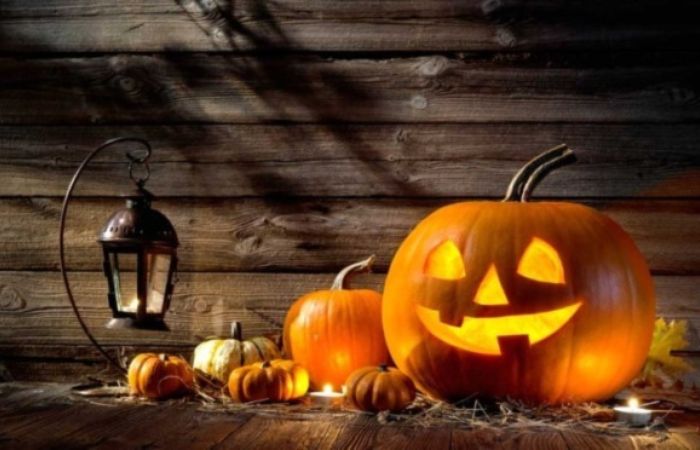
Halloween traditions are loved and celebrated by children and adults, arriving at that time of year when, across much of the Northern Hemisphere, the leaves are changing colour, October brings colder weather and seasonal favourites such as apples and pumpkins return to our kitchens.
Halloween is also known as All Hallows’ Eve or All Saints’ Eve, as it falls on the evening before the Christian feast of All Saints’ Day.
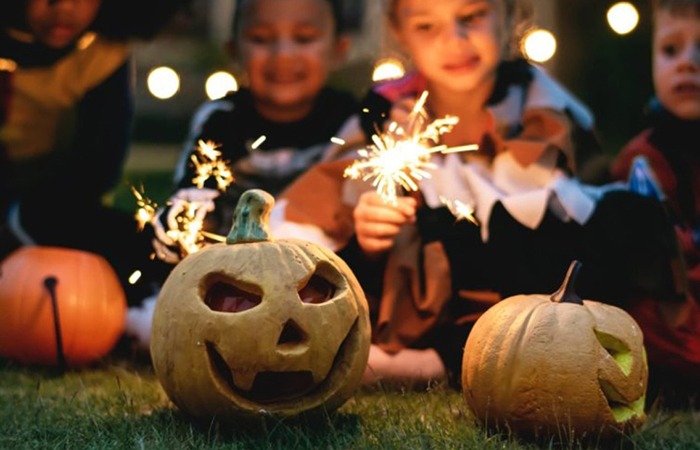
Over recent decades, Halloween traditions such as costumes, trick-or-treating and pumpkin carving have spread around the world, becoming increasingly popular across Europe and beyond.
Although modern Halloween is particularly associated with the United States, its history stretches much further back. Other countries also have their own long-established festivals dedicated to remembering the dead, honouring ancestors or marking All Saints’ and All Souls’ Days.
These celebrations are not all versions of Halloween, and many have completely separate cultural and religious origins. However, looking at them side by side shows some of the fascinating ways people around the world remember those who have died, celebrate life and mark this time of year.
How is Halloween celebrated around the world?
Halloween has links to the ancient Celtic festival of Samhain, which marked the beginning of winter on 1 November. In Ireland, many of the festivities traditionally took place on the evening before, 31 October.
Over time, these customs became intertwined with Christian observances surrounding All Saints’ Day. Irish and other European immigrants later carried Halloween traditions to North America, where the celebration gradually developed into the Halloween many of us recognise today.
But how is Halloween celebrated in other parts of the world? And what other festivals and traditions take place around the same time of year?
Here are nine traditions from around the world.
Contents
All Saints’ Day: Italy
Let’s start with Italy. Although Halloween has become increasingly familiar in the country, Italy has its own much older traditions surrounding All Saints’ Day, or Ognissanti.
On 1 November, Catholics celebrate All Saints’ Day, which honours all the saints of the Church.
The following day, 2 November, is All Souls’ Day, traditionally dedicated to remembering the dead. Families may visit cemeteries and leave flowers, particularly chrysanthemums, on the graves of loved ones, while religious observances include Masses for the dead.
Traditions vary considerably between different parts of Italy. Regional customs include preparing particular foods and sweets associated with the period, some of which are traditionally connected with remembrance of the dead.
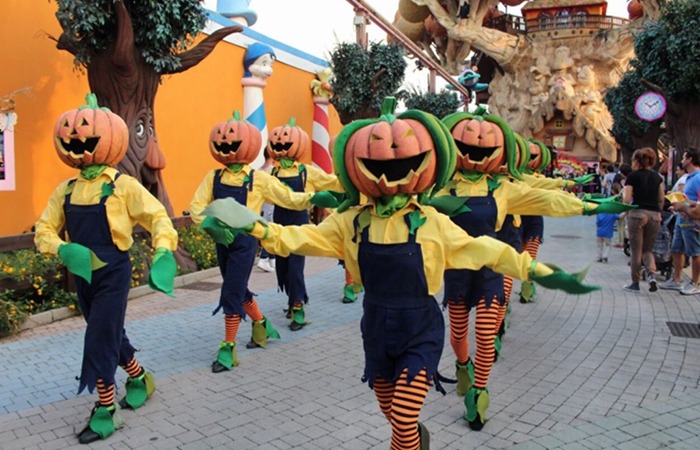
Modern Halloween has also become increasingly popular in Italy, particularly among younger generations. Children may dress up for Halloween, while bars, clubs and other venues often hold costume parties and Halloween events.
Samhain and Halloween: Ireland
Ireland has one of the strongest historical connections with Halloween, with many modern customs linked to traditions surrounding the ancient festival of Samhain.
Samhain marked the beginning of winter on 1 November, with celebrations taking place on the preceding evening. Traditional Irish Halloween customs have included feasting, games, disguises, bonfires and beliefs surrounding spirits and the return of the dead.
One long-standing Irish Halloween tradition is eating barmbrack, or báirín breac, a fruit bread containing ingredients such as raisins and other dried fruit.
Objects were traditionally hidden inside the barmbrack and used to predict the future of the person who discovered them in their slice.
The best-known is the ring, traditionally associated with an upcoming marriage. Other objects have included a rag, associated with poverty, and a coin, associated with wealth or prosperity.
The Hungry Ghost Festival: China
China’s Hungry Ghost Festival is not exactly a Halloween tradition. It has its own Buddhist and Taoist roots and usually takes place much earlier in the year, during the seventh month of the lunar calendar.
Traditionally, this period is associated with spirits returning to the world of the living. Families and communities may make offerings of food and incense as part of the observances.
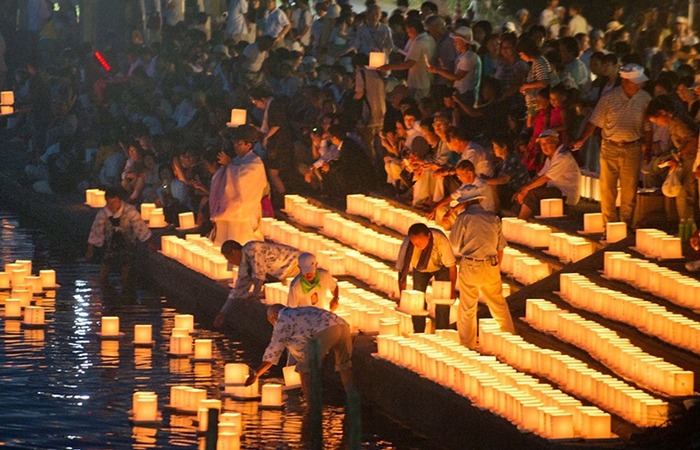
The festival provides an interesting comparison with Halloween because of its associations with spirits and the dead, but the two celebrations should not be confused. Customs vary across China and other communities that observe the festival. Performances, religious rituals and offerings can all form part of the celebrations!
Día de los Muertos: Mexico
Mexico’s Día de los Muertos, or Day of the Dead, is another celebration that is sometimes compared with Halloween because of its timing and imagery. However, it is a distinct Mexican tradition with roots in Indigenous beliefs combined with Catholic observances introduced after the Spanish conquest.
Celebrations take place from the end of October into the beginning of November and are particularly associated with 1 and 2 November.
Rather than treating death simply as something frightening or sombre, Día de los Muertos is centred on remembering deceased family members and loved ones and welcoming their memory back into family life.
Traditions differ between communities, but families may decorate graves and create ofrendas, or altars, dedicated to those who have died.
These can be decorated with photographs, candles, food, colourful paper decorations and marigolds, whose petals are traditionally used to help lead the souls of the dead towards the offerings prepared for them.
Food and other items associated with the deceased may also be placed on the altar. The result is a celebration built around memory, family and the continuing connection between the living and those they have lost.
Fèt Gede: Haiti
Fèt Gede, or the Festival of the Dead, is an important Haitian Vodou tradition dedicated to the dead.
Usually observed at the beginning of November, Fèt Gede brings together religious observance, remembrance, music, dance and visits to cemeteries.
The Gede are spirits associated with death and the dead in Haitian Vodou. One of the best-known figures associated with them is Baron Samedi.
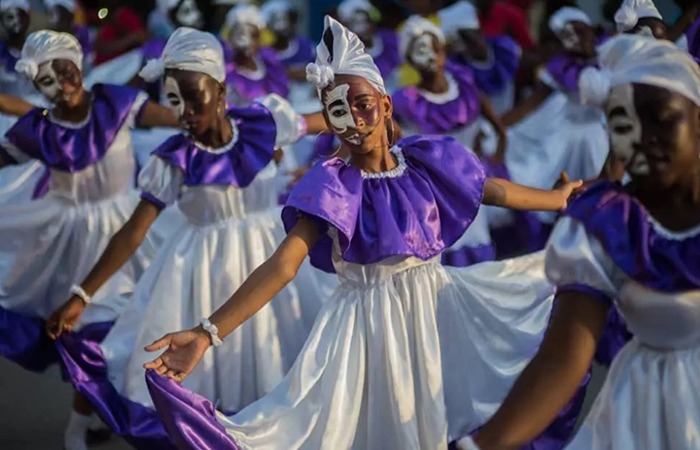
During the celebrations, Vodou practitioners may visit cemeteries, make offerings, pray, sing and dance as they honour the Gede and remember deceased relatives.
Although its timing means it is sometimes discussed alongside Halloween, Fèt Gede belongs to Haiti’s own religious and cultural traditions.
La Toussaint: France
So, how is Halloween celebrated in France? Although you will find costumes, decorations and Halloween events, the country’s more established celebration at this time of year is La Toussaint, or All Saints’ Day, on 1 November.
La Toussaint is a national public holiday in France.
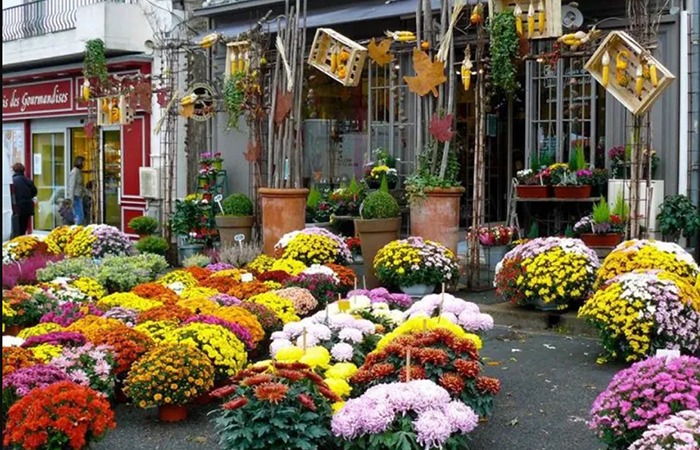
For many families, this is a time to remember relatives who have died. People traditionally visit cemeteries and place flowers, particularly chrysanthemums, on family graves.
Halloween itself is an imported celebration and does not have the same historical roots in France. However, costumes, parties and seasonal events mean that 31 October is still very recognisable as Halloween, particularly in larger towns and cities.
Halloween in Hong Kong
Halloween has become a major seasonal event in Hong Kong, with celebrations ranging from costume parties and themed attractions to large-scale events at the city’s theme parks.
In 2026, Hong Kong Disneyland is holding Disney Halloween Time from 18 September to 1 November, with Disney Villains, Halloween-themed entertainment, character experiences and seasonal activities.
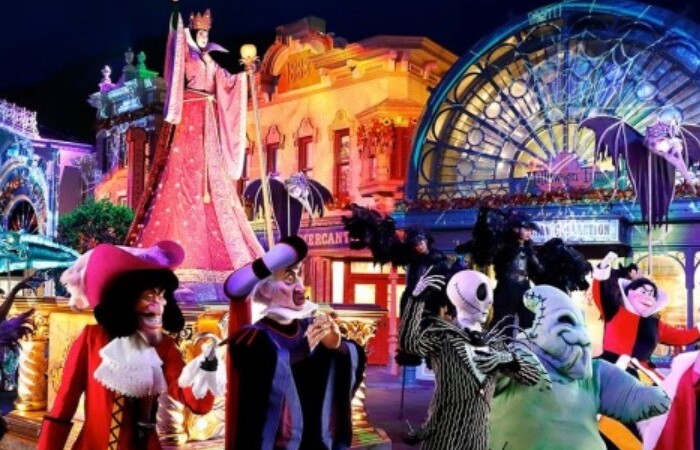
You can also head to Ocean Park Hong Kong for its annual Halloween Fest. In 2026, the event runs from 5 September to 1 November, combining haunted attractions and roaming characters with shows, cosplay and family-friendly Halloween activities.
Halloween has spread beyond the theme parks too. In 2026, the Hong Kong Tourism Board launched its first Hong Kong Halloween Month, with seasonal events taking place across the city.
Halloween: Japan
Halloween has grown considerably in Japan since large theme parks began introducing Halloween events around the turn of the millennium.
Rather than focusing heavily on door-to-door trick-or-treating, celebrations in Japan have become particularly associated with costumes and cosplay.
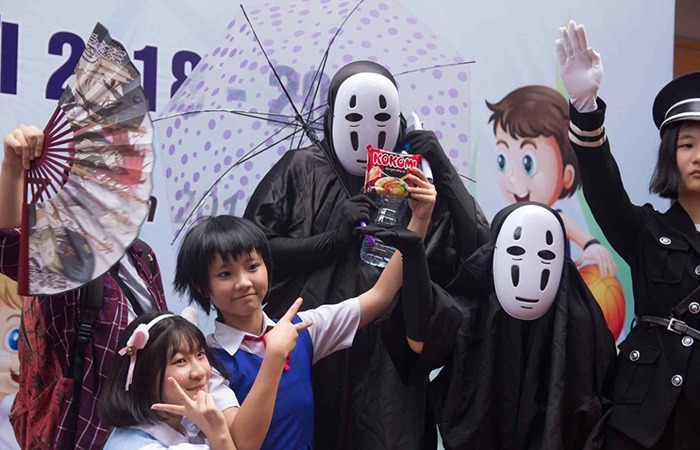
Elaborate costumes can range from recognisable Halloween characters to anime, manga, video game and pop-culture characters. Theme parks and other attractions also run extensive seasonal programmes.
Halloween events have included parades, flash mobs, parties and other organised celebrations. Large public costume gatherings have also become associated with Halloween in cities such as Tokyo, although rules surrounding street celebrations have changed over time.
It is a very different interpretation of Halloween from traditional door-to-door celebrations, showing how an imported festival can develop its own character in another country.
Pão-por-Deus: Portugal
Portugal offers another interesting example of why not every late-October or early-November tradition should simply be labelled Halloween.
Halloween itself is now celebrated in Portugal, but the country also has the much older Pão-por-Deus tradition, which takes place on 1 November, All Saints’ Day.
In many areas, children traditionally go from door to door asking for Pão-por-Deus. They may receive bread, cakes, nuts, fruit or sweets, with the exact custom differing from one part of Portugal to another.
The similarity with trick-or-treating is easy to spot, but Pão-por-Deus is a separate Portuguese tradition connected with All Saints’ Day and older customs surrounding charity and remembrance of the dead.
Alongside these older traditions, modern Halloween celebrations have also become familiar in Portugal, giving you another example of old and new customs existing side by side.
Discover Halloween traditions around the world
From Ireland’s barmbrack to Japan’s elaborate costumes, Halloween traditions can look very different depending on where you are in the world. And alongside Halloween itself, celebrations such as Día de los Muertos, Fèt Gede and Pão-por-Deus show just how many different ways cultures remember the dead and celebrate their own traditions at this time of year.
Want to experience some of these destinations and discover their traditions for yourself? Explore our study holidays around the world and start planning your next adventure with Astrolabio.