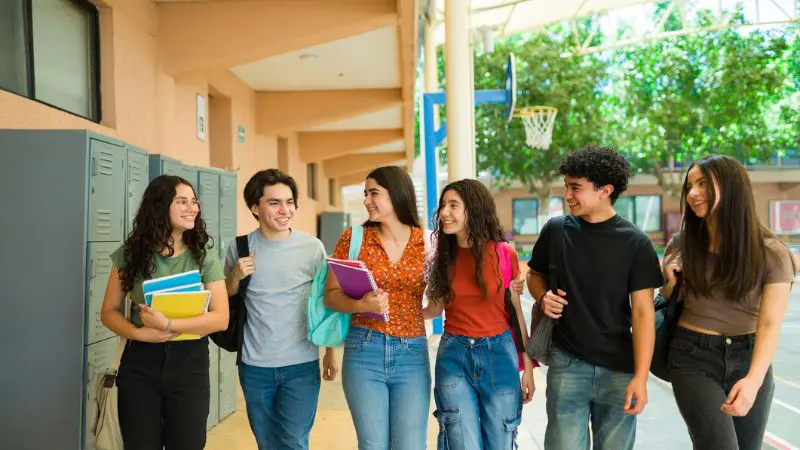

In recent years, young people have been choosing experiences that combine learning and creativity. Among these, creative study holidays are an ideal choice for children and teenagers.
It is a chance to explore your artistic and expressive abilities while enjoying an experience that is educational and fun. Art, theatre and music are not only tools for personal expression, but real channels for growth, socialising and building transferable skills.
The importance of creative study holidays
Taking part in a creative study holiday means being in a stimulating environment, where learning happens through experience. Unlike more traditional holidays, where free time is mostly recreational, these experiences combine moments of structured teaching with practical workshops, collaborative projects and performances. Experiential learning is at the heart of the programme.

The benefits of this kind of holiday are varied. You can improve your technical and creative skills through courses in painting, sculpture, photography, music or theatre, while also building confidence, independence and problem-solving through new experiences and challenges. Emotional expression is another key part of the experience, as the arts offer ways to express emotions, tell stories and communicate ideas in authentic, alternative ways.
These holidays are designed for young people of different ages, from teenagers to creative minds looking for new challenges, and also young adults who want to refine artistic skills they already have.
Art: painting, sculpture and design
One of the most interesting aspects of creative study holidays is the opportunity to explore visual art. Workshops in painting, sculpture and design allow participants to try both traditional and modern techniques, developing a critical and creative way of looking at the world around them. Visual arts workshops are often a central feature of these programmes.
Painting and drawing
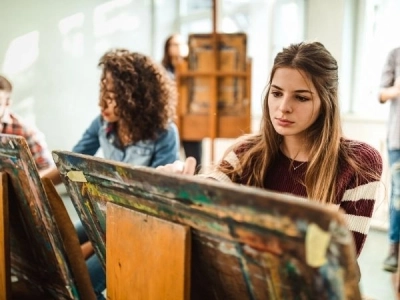
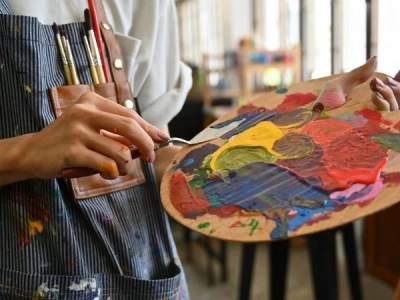
Painting and drawing courses teach not only technique, but also how to observe and interpret reality. Through guided exercises and individual projects, participants learn how to use colour, form and perspective to tell stories and convey emotions. Painting and drawing also encourage imagination and help build an understanding of the fundamental principles of art.

Working on canvas, watercolours or mixed media stimulates creativity and supports hands-on learning.
Sculpture and hands-on arts
Sculpture offers a unique tactile experience. Shaping materials such as clay, wood or metal helps develop precision, patience and motor coordination. Sculpture and craft skills are often supported by workshops in decorative arts and design, where participants can create practical, original objects that combine creativity and function.
Digital art and multimedia
As technology moves forward, creative study holidays may also offer courses in digital art, photography and video. Learning to use design software, professional cameras and editing tools helps participants develop skills that fit contemporary life, combining creativity and innovation.
If you want to explore the wider creative sector in England, you can browse Arts Council England for context and inspiration.
Theatre: acting and performance
Theatre is another key part of creative study holidays. It is not only about acting on stage, but also about developing body awareness, managing emotions and improving communication. Theatre skills can support confidence in everyday life, as well as performance work.
Acting and improvisation
Acting courses guide participants through improvisation exercises, script reading and character interpretation. Improvisation in particular teaches you to respond quickly, work with others and develop spontaneous creativity.
Physical expression and stage movement
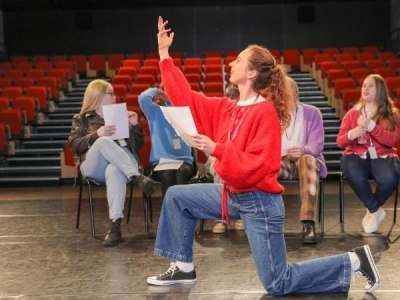
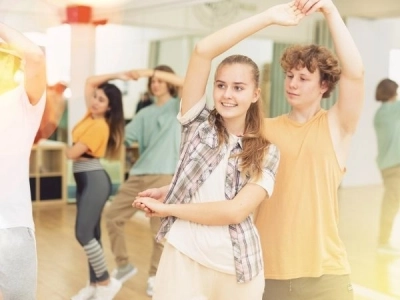
Theatre is not only spoken word, but movement too. Through workshops in physical expression, mime and theatrical dance, participants learn how to communicate without words, control posture and gestures, and convey emotions effectively. Physical expression becomes part of how students learn to perform and connect with an audience.
Performance and theatre production
Many programmes end with a final performance, allowing students to experience the full creative process: from reading the script to preparing costumes and sets, right through to staging the show in front of an audience. This strengthens confidence and a sense of belonging within the group.
If you are curious about theatre-making and performance culture in the UK, the National Theatre is a useful point of reference.
“Taking part in the creative study holiday was an experience that changed the way I see things. I have always loved theatre, but I had never had the chance to try such intensive and stimulating courses. In just one week I learned acting techniques, improvisation and emotional management that I never would have imagined. But the best part was meeting young people from other cities and countries, and sharing laughs, challenges and creative moments with them. When I got home, I felt more confident, more inspired, and full of new ideas to carry into everyday life.”
Chiara, 16, participant in the theatre and music workshop
Music: instruments, singing and composition
Music is one of the most universal and engaging art forms. Musical study holidays offer instrument lessons, singing and composition, allowing participants to explore different genres and styles. Music courses are often offered in both individual and group formats.
Instrument lessons
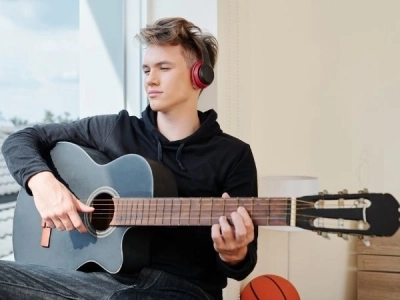
Whether it is piano, guitar, drums or wind instruments, individual and group lessons help young people improve technique, tuning and music reading. Playing in a group teaches collaboration, listening and harmony with others. Playing together is a big part of how students learn.
Singing and vocal coaching
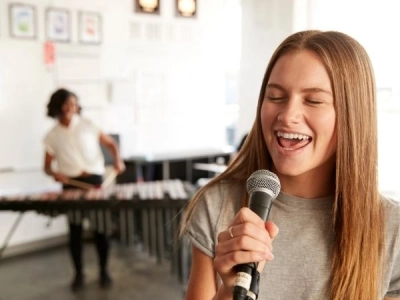
Singing courses include breathing techniques, posture and interpretation, helping participants develop a confident, expressive voice. Many programmes also offer choir workshops, where shared sound strengthens community and cooperation. Vocal work can be both technical and expressive.
Composition and music production
Some study holidays include modules in music composition and digital production, where participants learn to write original pieces, record tracks and experiment with audio editing software. These skills can be valuable for anyone interested in modern music or who simply wants to explore creativity more deeply.
If you want to understand formal music exams and training pathways often used in the UK, ABRSM is a reliable reference point.
Cognitive and social benefits
Creative study holidays are not only enjoyable, they can also have a meaningful impact on cognitive and social development. Facing new artistic and performance techniques encourages original solutions and new ways of thinking. Critical thinking and problem-solving are supported through practical creative work.
Through artistic expression, young people learn to recognise and manage their own emotions and understand those of others. Music, theatre and art workshops often require coordination and cooperation, helping students learn the importance of everyone’s contribution. Teamwork and collaboration sit naturally within creative projects.
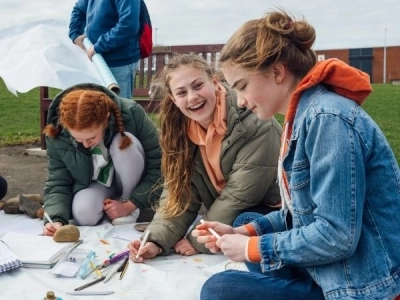
These experiences can also encourage autonomy and responsibility, as students organise creative projects, handle instruments or prepare for a performance, learning discipline and time management along the way.
Intercultural experiences
Many creative study holidays take place in international contexts, offering the chance to meet young people from other nationalities and cultures. This can enrich the artistic and human experience, as comparing styles, ideas and traditions encourages curiosity and open-mindedness. Intercultural exchange becomes part of everyday life.
Living in an international environment can also improve language skills, making learning feel natural and rooted in real situations. Friendships formed in this setting often last and can become a source of future inspiration and collaboration.
A typical creative study holiday structure
Although programmes can vary, a creative study holiday usually follows a balanced structure. A balanced schedule helps participants learn and create without feeling overwhelmed.

Morning sessions often focus on technical or theoretical classes (art, music, theatre). Afternoons are typically for practical workshops, group projects, outdoor activities or cultural excursions. Evenings are often reserved for practice, rehearsals, social activities and downtime.
This alternation between learning, practice and free time allows participants to explore creativity while still having space to relax.
Tips for choosing the right study holiday
To make sure the experience is positive, it helps to consider a few factors when choosing a programme. Choosing the right programme starts with age and experience, making sure the course fits the participant’s level.
The quality of teachers matters too, as qualified staff with practical experience can make learning more engaging and effective. Facilities are also important: well-equipped workshops, musical instruments, rehearsal rooms and creative spaces can shape the overall experience.
Programmes that include final performances or exhibitions allow participants to put what they have learned into practice. Checking feedback and reviews from past participants can also give you a clearer picture of the programme’s quality.
Final thoughts
Creative study holidays offer a unique opportunity for children, teenagers and young adults to grow, explore their talents and create lasting memories. Personal development sits alongside enjoyment, because art, theatre and music are not only recreational activities, but tools that support emotional and social growth.
In a world that is increasingly competitive and global, these experiences offer valuable skills, from communication and creativity to emotional awareness and collaboration. Choosing a creative study holiday means investing in the future, giving young people the chance to discover themselves, their passions and new perspectives on life.