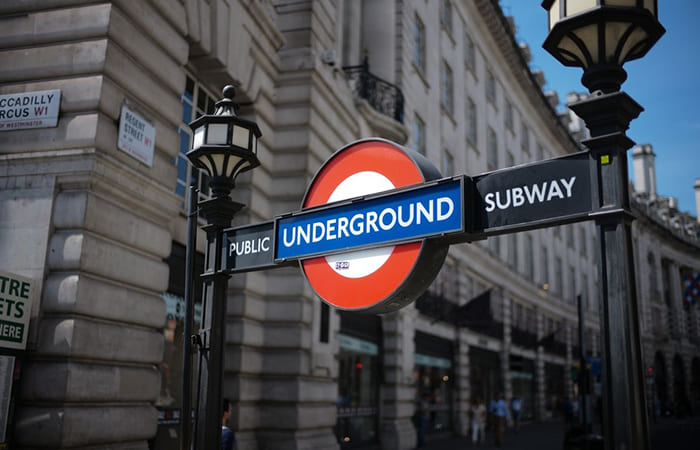
If you’re visiting London, there’s a very good chance you’ll use the London Underground to get around the city. As well as being an important part of London’s transport network, the London Underground is one of the oldest underground railway systems in the world.
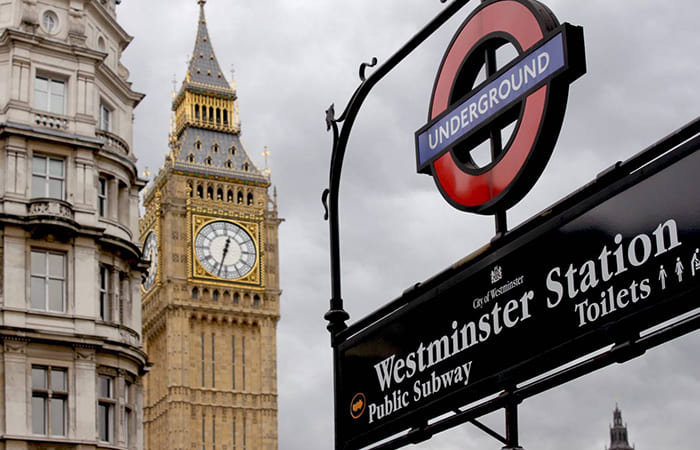
The Tube, as it is frequently called in the UK, has a reputation for being one of the best metro systems in the world, and it has a long history behind it. Yet despite millions of people using it, there are plenty of unusual facts and stories about the Underground that many passengers have never heard.
You might not expect a transport system to have quite so many stories to tell, but the Underground is closely connected to London’s history. From abandoned stations to wartime shelters and some very unusual items left behind by passengers, there’s far more to the Tube than getting from A to B.
A brief history of the London Underground
On 10 January 1863, the world’s first underground passenger railway opened between Paddington and Farringdon Street. The original Metropolitan Railway used steam locomotives to carry passengers beneath London.
From there, the network continued to grow, with new lines opening over the following decades. In 1890, the world’s first deep-level electric railway opened, running from King William Street in the City of London beneath the River Thames to Stockwell.
It was these smaller, circular deep-level tunnels that helped give rise to the nickname “the Tube”, a name that is still widely used today.
The London Underground’s famous roundel and the Underground name both began appearing in the early 20th century. The Underground name was introduced in 1908, while the familiar roundel developed from the solid red disc first introduced that same year.
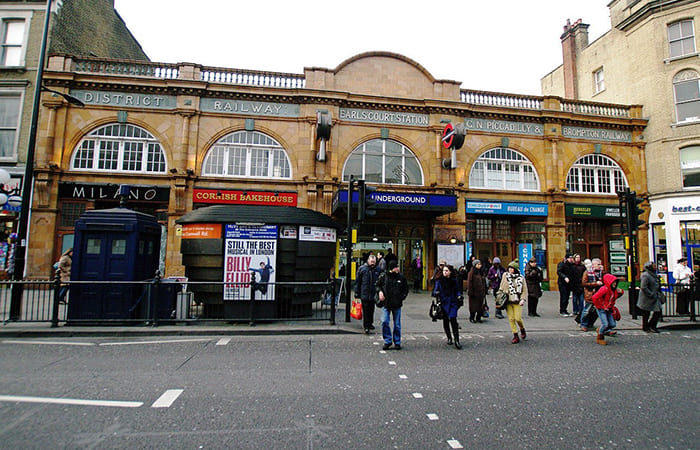
The first escalator on the Underground was installed at Earl’s Court station in 1911. Passengers had to wait until 1933 for another of the network’s most recognisable features: Harry Beck’s famous diagrammatic Tube map.
The map proved hugely popular with passengers. Although its design has changed and expanded over the years as London’s transport network has grown, the Tube map we recognise today is still based on Beck’s original concept.
During the Second World War, many Underground stations became air-raid shelters. Thousands of Londoners sought refuge below ground during bombing raids, with people spending nights sleeping on station platforms.
The network has changed enormously since those first steam-powered journeys. One of the biggest developments in recent years has been Crossrail, one of Europe’s largest railway infrastructure projects.
The resulting Elizabeth line, named in honour of Queen Elizabeth II, stretches for more than 100 kilometres. It connects Reading and Heathrow in the west with Shenfield and Abbey Wood in the east, travelling through new tunnels beneath central London.
London Underground: 20 interesting facts
The London Underground is part of daily life for millions of Londoners. It is difficult to imagine the UK capital without its famous Tube network.
But how much do you actually know about it?
We’ve compiled some answers to the questions you might never have thought to ask! No matter how many times you’ve travelled on the Tube, there is always something new to discover. Some of these facts even relate to places you may see during the organised trips to London included in our study holidays in Egham.
- The average speed of a London Underground train is around 33 kilometres (20.5 miles) per hour. This varies across the network, and trains can travel considerably faster on some sections.
- Millions of people use the Underground. Before the pandemic, the network regularly recorded around five million passenger journeys on a weekday, although passenger numbers vary from year to year.
- Waterloo has historically been one of the busiest stations on the Underground network, handling tens of millions of Underground passenger journeys each year.
- The Underground network covers around 400 kilometres of route, making it one of the largest metro systems in the world.
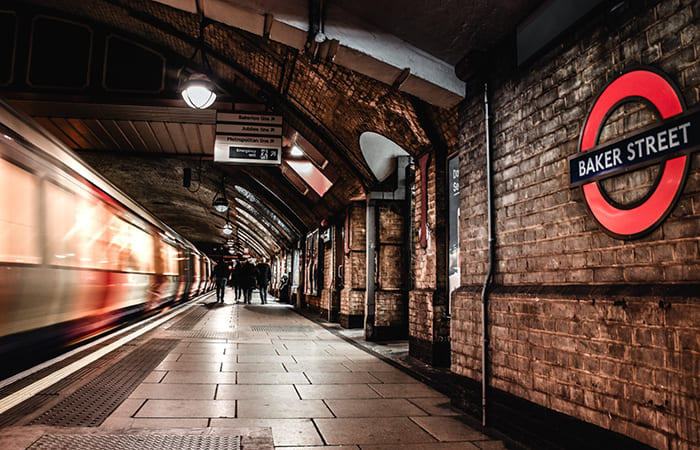
- Angel is famous for having the longest escalators on the Underground. They are approximately 60 metres long and have a vertical rise of around 27.5 metres. At the other end of the scale, Stratford has one of the network’s shortest escalators, with a vertical rise of just over four metres.
- The distance between Covent Garden and Leicester Square on the Piccadilly line is only around 300 metres, making them two of the closest neighbouring stations on the network. One of the longest distances between adjacent Underground stations is between Chesham and Chalfont & Latimer on the Metropolitan line.
- Hampstead, on the Northern line, has the deepest station platforms on the Underground. They are approximately 58.5 metres below ground level.
- The Jubilee line connects with every other London Underground line, making it particularly useful when changing between different parts of the network.
- You can hear buskers performing at designated spots across the London Underground. Transport for London’s official busking scheme was launched in 2003, and performers audition for the opportunity to play at licensed pitches within stations. So keep your eyes and ears open as you make your way to the platform. You never know who you might hear.
- Some Underground stations stand on sites with centuries of history beneath them. Aldgate, for example, is associated with historic burial grounds in an area where large numbers of people were buried following outbreaks of plague.
- Despite its name, much of the London Underground actually runs above ground. Only around 45% of the network is underground.
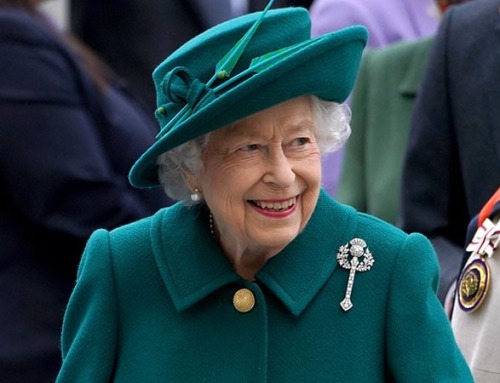
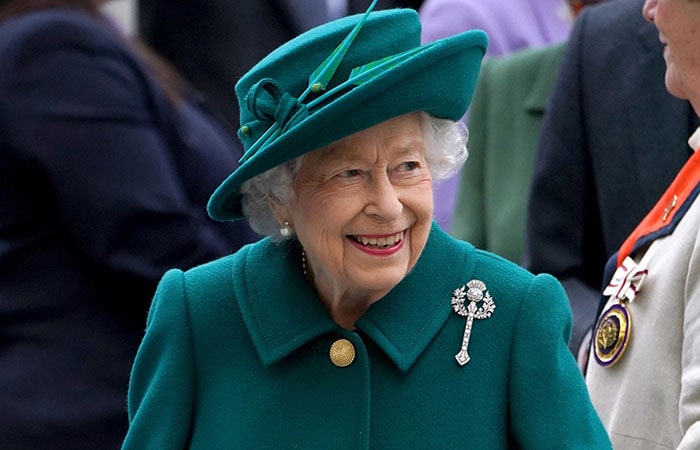
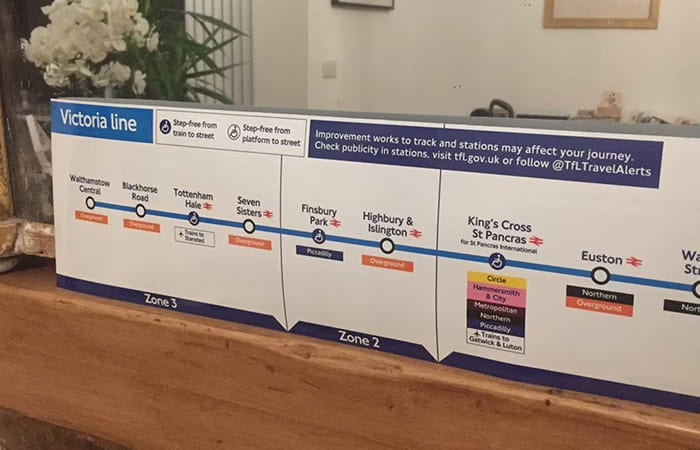
- In 1969, Queen Elizabeth II travelled on the Underground when she officially opened the Victoria line. She later travelled on the Docklands Light Railway when it opened in 1987 and returned to the Underground in 2013 as part of celebrations marking its 150th anniversary.
- Passengers have left some remarkably strange lost property on London’s transport network over the years. Reported examples have included artificial limbs, large sums of money and even urns containing ashes.
- Drinking alcohol on Transport for London services was banned from 1 June 2008. On the evening before the ban came into effect, large numbers of people gathered on the Underground for a final night of drinking on the network.
- Travelling without a valid ticket is certainly not a new problem. A penalty fare system was introduced on the Underground in 1994, initially charging passengers £10 if they were unable to produce a valid ticket in circumstances covered by the scheme.
- Transport operators have even experimented with making the smell of the Underground more pleasant. In 2001, a fragrance called Madeleine was trialled at several stations, but the experiment was quickly abandoned following complaints from passengers.
- London has numerous disused and abandoned Underground stations, often referred to as “ghost stations”. There is also North End, sometimes known as Bull & Bush, on the Northern line near Hampstead. Construction began on the station in the early 20th century, but it was never completed or opened to passengers.
- The Underground’s red and blue roundel is one of London’s most recognisable pieces of graphic design. Its origins date back to the early 20th century, and variations of the design are now used across Transport for London’s services.
- From a medieval mouse jaw to the remains of Roman horses, human and animal bones were among the archaeological finds uncovered during construction of the Elizabeth line. Excavations at Charterhouse Square near Farringdon also revealed a medieval burial ground containing people believed to have died during the Black Death in the 14th century.
- The first recorded baby born on the Underground arrived in 1924 at Elephant & Castle station. Considering that London’s underground railway had already been operating for more than 60 years, it took a surprisingly long time for the Tube to welcome its first recorded newborn passenger.