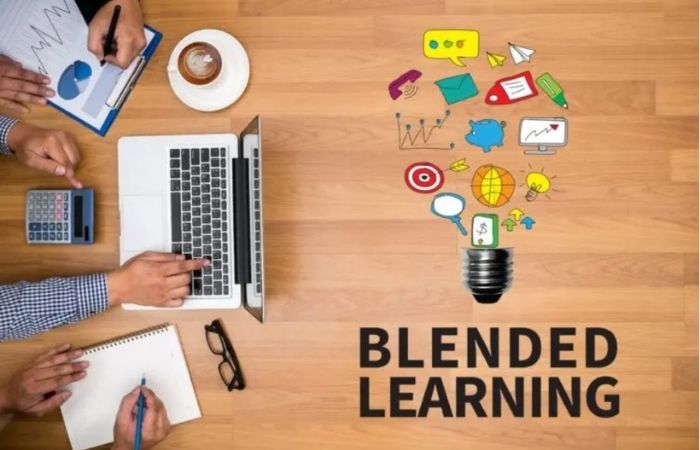
Explore the world of blended learning. Discover how education can become a more engaging and student-centred experience!
Education in Italy, as in many parts of the world, is evolving at an incredible pace. Classrooms that once relied only on textbooks and blackboards are now filled with laptops, tablets and interactive whiteboards. Traditional methods are being replaced by innovative ideas that bring teaching closer to how students actually live and learn today.
After the pandemic, technology became an even stronger presence in schools. Teachers learned to manage virtual classrooms, record lessons, and use digital tools to keep students connected from home. That experience changed education forever, and it gave rise to one of the most talked-about trends in teaching today: blended learning.
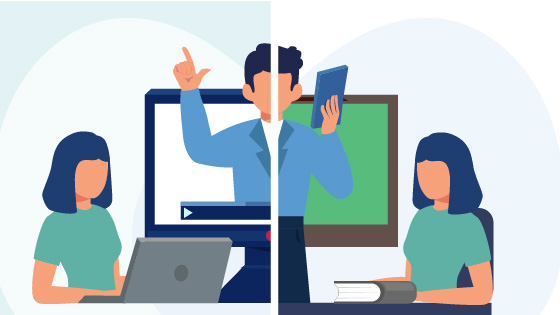
Blended learning combines the best of two worlds. It keeps the structure and social interaction of traditional classrooms, while adding the flexibility and creativity of digital resources. It is not about replacing teachers with screens, but about giving teachers new ways to reach and inspire their students.
In the next sections, we will explore what blended learning really means, how teachers can start using it effectively, and why it can make education more meaningful for both students and educators.
Contents
What is blended learning?
The idea of combining classroom lessons with online learning is not new. In fact, many universities abroad had already begun experimenting with it years before the pandemic. The events of 2020 simply accelerated a process that was already underway.
Blended learning is a flexible teaching approach that integrates face-to-face instruction with digital tools. You can think of it as a well-balanced recipe: part classroom discussion, part online activity, part independent study. Each element supports the other, creating a learning experience that feels modern, interactive, and personal.
This model uses two main types of tools. Synchronous tools allow students and teachers to interact in real time, such as during a classroom lesson, a live webinar or a video call. These moments help maintain a sense of connection and community, even when students are learning remotely.
Asynchronous tools, on the other hand, give students the freedom to learn at their own pace. They can watch recorded lectures, read digital textbooks, or complete quizzes whenever they choose. This approach respects individual learning rhythms and allows students to review material as often as they need.
The key to blended learning lies in balance. Technology should support learning, not dominate it. The classroom remains a space for collaboration, discussion, and critical thinking, while the online component offers flexibility and access to a wider range of materials.
How to introduce blended learning in your classroom
Creating a blended learning environment takes more than simply adding technology to a lesson plan. It requires reflection, structure, and a clear understanding of your students’ needs. Below are the main steps to help you get started with confidence.
1. Define Clear Goals
Before you begin, ask yourself what you hope to achieve. Do you want to make lessons more interactive? Improve participation? Support different learning speeds? Setting clear goals will guide every decision you make and help you measure progress later on.
2. Understand Your Students’ Skills
Not every student has the same relationship with technology. Some will already be confident using online tools, while others may need guidance. Take time to assess their level of digital literacy and provide short tutorials or demonstrations when needed. This will help everyone start on equal footing.
3. Build Your Own Confidence
Teachers, too, may feel uncertain about using new technologies. Start with platforms that feel intuitive and easy to manage. There are countless free options available today, from Google Classroom and Edmodo to Moodle or even simple collaborative tools like Padlet. Experiment with one or two at a time, and gradually expand your toolkit as your confidence grows.

4. Communicate with Parents and Colleagues
Parents and colleagues can be powerful allies in this process. Explain how blended learning works and what benefits it offers. Highlight how technology will not replace teachers, but rather create more opportunities for communication and feedback. When people understand the purpose, they are much more likely to support the change.
5. Keep Students at the Centre
Every decision you make should revolve around your students. Pay attention to their interests, their preferred ways of learning, and their emotional wellbeing. Encourage them to take part in shaping lessons by suggesting topics, activities, or projects. When students feel included, they take ownership of their learning.
6. Make It Interactive
Engagement is the heart of blended learning. Consider using game-based activities to make lessons fun and competitive. Introduce elements of augmented reality or virtual simulations to make abstract concepts more tangible. You can even use short interactive quizzes or polls during lessons to keep attention levels high.
Common models of blended learning
There is no single way to apply blended learning. Depending on your subject, resources, and teaching style, you can adapt one or combine several models to suit your needs.
The Rotational Model
In this model, students move through different learning stations. For example, one group might work directly with the teacher, another might complete an online activity, and a third might collaborate on a project. This setup allows teachers to provide personalised support while encouraging teamwork and autonomy.
The Flexible Model
This structure is ideal for students who prefer to work independently. Most course materials are available online, allowing students to complete tasks at their own pace. Teachers can then focus on offering one-to-one feedback and addressing specific questions rather than leading every activity.
The Lab-Based Model
Some schools use this approach when resources are limited. Students access online content in a controlled environment such as a computer lab, often under teacher supervision. It is an efficient way to introduce digital learning without requiring personal devices for every student.
The Flipped Classroom
This is one of the most well-known models. Students study the lesson material at home by watching videos or reading notes, and classroom time is used for discussion, problem-solving, and group work. This method strengthens critical thinking and helps teachers spot areas where students need extra support.
The Self-Blend Model
In this model, students take extra online courses in addition to their regular curriculum. It is particularly useful for those who want to explore subjects not offered by their school or to deepen knowledge in a specific area. It promotes independence and lifelong learning skills.
The advantages of blendedlearning
When applied thoughtfully, blended learning can transform education into something more engaging, flexible, and inclusive. Here are some of its key benefits for both students and teachers.
Flexibility for Different Lifestyles
Students can learn at their own rhythm and on their own schedule. This flexibility is particularly helpful for those who work part-time, have family responsibilities, or live far from school. Teachers also gain flexibility in how they deliver lessons and assess progress.
Broader Access to Resources
All students need is an internet connection. Lessons, readings, and discussions become accessible anytime and anywhere. This is especially valuable for those who need extra review time or prefer to study outside of regular school hours.
Personalised Learning
Blended learning makes it easier to adapt lessons to individual needs. Teachers can use real-time data to track student performance and adjust content accordingly. Some platforms even offer automatic feedback, helping students identify their strengths and weaknesses immediately.
Increased Interaction and Collaboration
The combination of in-person and online spaces opens more opportunities for discussion. Students can collaborate on shared documents, participate in online forums, or engage in group projects that extend beyond the classroom. This sense of connection encourages creativity and teamwork.
Improved Learning Outcomes
Research suggests that blended learning can improve retention and performance compared to traditional models. Students who actively participate in both classroom and online activities often show better understanding and stronger critical-thinking skills.
Development of Digital Skills
As technology becomes an essential part of modern life, digital literacy is no longer optional. Through blended learning, students gain practical experience with digital tools, online communication, and problem-solving — skills that will serve them well in university and in the workplace.
So, is blended learning the future of education?
Education has always evolved with society, and today it is moving toward greater flexibility and collaboration. Blended learning fits perfectly into this vision. It allows teachers to experiment, students to participate more actively, and schools to stay aligned with the digital future.
If you are an educator, you do not need to transform everything overnight. Start with one lesson, one platform, or one blended project. Observe how your students respond, and build from there. Progress comes through experimentation and reflection.
We believe education should inspire curiosity and confidence!