British TV shows are hugely successful around the world, with many formats becoming international hits after first finding an audience in the UK
One programme that made a particularly big impression on Italian television is Who Wants to Be a Millionaire?. But it is only one of many examples of how British culture has long attracted audiences across Europe and further afield.
Part of this success comes from the investment British broadcasters and production companies have made in creating original and entertaining television programmes, giving writers and producers the freedom to experiment with new ideas. The commercial results have often been considerable too.
The UK television production industry has become one of the most internationally successful in the sector. In 2020, despite the disruption caused by the pandemic, UK television exports were worth approximately £1.48 billion.
How does a British programme end up being watched by audiences thousands of miles away?
When a programme proves popular with viewers in the UK, its producers and distributors may sell the programme itself or the rights to its format internationally. Broadcasters and production companies in other countries can then bring it to their own audiences.
Sometimes the original British programme is shown as it is, perhaps with subtitles or dubbing. In other cases, the format is adapted and recreated with local presenters, contestants, settings and cultural references.
The aim is usually to reproduce some of the success the programme achieved in Great Britain. British television has produced numerous formats that have managed to do exactly that, including The Great British Bake Off and The Chase.
The most widely exported British TV shows
Before looking at some of the British programmes that have achieved the greatest international success, it is worth considering where British television is particularly popular.
The United States has traditionally been one of the biggest markets for UK television exports, alongside countries including France and Australia. British programmes are also widely distributed across other European countries, including Italy.
Scripted television accounts for a significant proportion of these exports. This category includes comedies, dramas and television series, which can be sold internationally as completed programmes as well as adapted or remade for different markets.
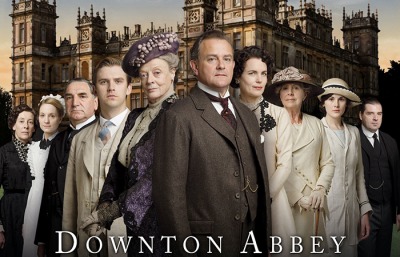
Some British series have become familiar to viewers around the world. Examples range from Doctor Who and Downton Abbey to His Dark Materials and the original British version of The Office.
British unscripted formats have also enjoyed extraordinary international success. Unlike scripted dramas and comedies, these programmes are based on a format or concept that can often be recreated relatively easily for audiences in another country.
This category includes reality programmes, talent shows, quiz shows and dating programmes, many of which have become fixtures of television schedules around the world.
One of the clearest examples is Who Wants to Be a Millionaire?, which originated in the UK before being adapted in numerous countries. Love Island has followed a similar path, with local versions produced for several international markets.

The Italian version of the UK’s ‘Who Wants to Be a Millionaire?’ TV show
The British TV programmes that became international favourites
When you look at the British programmes that have travelled successfully overseas, television series are certainly among the most recognisable.
Few examples demonstrate the influence of British television quite as clearly as The Office. The original programme was created by Ricky Gervais and Stephen Merchant and first broadcast on BBC Two in 2001.
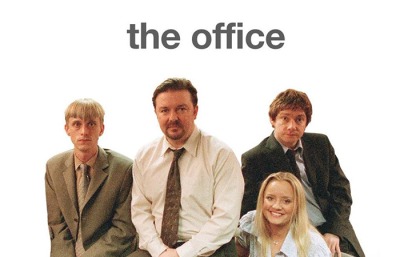
The British series consisted of two six-episode series followed by Christmas specials. Its mockumentary style, uncomfortable workplace humour and central character David Brent helped turn it into one of the best-known British comedies of its generation.
Its international influence became even greater when the concept was adapted for other countries. The best-known remake is the American version of The Office, which premiered on NBC in 2005 and eventually ran for nine seasons.
The first series of the American adaptation remained relatively close to its British source material, but from its second season onwards it increasingly developed its own characters, storylines and style of humour. The result was a programme that became enormously popular in its own right.
The US version later became particularly successful on streaming services. Nielsen reported that viewers in the United States watched more than 57 billion minutes of The Office in 2020, making it the most-streamed acquired programme measured by Nielsen that year.
It is worth making the distinction between the two versions. Those extraordinary streaming figures refer to the American adaptation, rather than the original British series.
The Office is far from the only British television production to attract audiences overseas. Productions such as Doctor Who, Luther, Misfits and Doctor Foster have all reached viewers well beyond the UK.
British talent has also played a major part in international co-productions. Chernobyl, for example, was a British-American production created for HBO and Sky, rather than a solely British television series.
From Strictly Come Dancing to Dancing with the Stars
British reality and entertainment formats have proved just as successful internationally as scripted television.
One of the biggest examples is Strictly Come Dancing. First broadcast by the BBC in 2004, the programme pairs celebrities with professional dancers who compete in ballroom and Latin dance routines.
The format has subsequently been sold around the world under the Dancing with the Stars name. Local versions have been produced in dozens of countries, making the programme one of Britain’s best-known international television exports.
Italian audiences will recognise the concept from Ballando con le stelle, which first aired on Rai 1 in 2005.
Other British unscripted formats that have enjoyed international success include Gogglebox, Love Island and Who Wants to Be a Millionaire?.
The hugely successful Got Talent format also originated in Britain. Britain’s Got Talent first aired on ITV in 2007, although the first programme in the franchise to reach television was actually America’s Got Talent, which premiered in the United States the previous year.
The concept was created by British television producer Simon Cowell and has since been adapted for audiences around the world.
Other British formats that have travelled successfully include Come Dine with Me and First Dates, both of which have inspired international adaptations.

Another particularly successful British tv show is The Great British Bake Off. First broadcast in 2010, the baking competition became a major hit in Britain before its format was sold internationally.
Versions of the programme have since appeared in numerous countries. In the United States, the original British series is known as The Great British Baking Show.
Then there is Top Gear, one of the BBC’s best-known motoring programmes. The modern version of the show became an international television phenomenon during the years in which it was presented by Jeremy Clarkson, Richard Hammond and James May.
At the height of its popularity, the programme was sold to broadcasters around the world and inspired several international adaptations. Its combination of cars, challenges, travel and entertainment helped it reach an audience far beyond people with a particular interest in motoring.

Who Wants to Be a Millionaire?: a British idea that travelled around the world
Few television formats demonstrate the international reach of British television better than Who Wants to Be a Millionaire?.
The quiz show was created by David Briggs, Mike Whitehill and Steven Knight and first aired on ITV in the UK in 1998, with Chris Tarrant as its presenter.
Its concept was simple enough to translate easily into other languages and television markets. Contestants answer a series of increasingly difficult multiple-choice questions, with the possibility of winning a life-changing cash prize.
That structure became instantly recognisable. The dramatic lighting, music, lifelines and increasingly tense questions were all incorporated into versions produced outside the UK.
The format has since been licensed in well over 100 countries and territories, becoming one of Britain’s most successful television exports.
The American version became a major television event after premiering on ABC in 1999 with Regis Philbin as host. At the height of its initial success, it attracted huge audiences and became a significant part of American popular culture.
The programme has also repeatedly returned to television in different forms. In 2020, ABC launched a new prime-time American version hosted by Jimmy Kimmel, showing just how durable the format had proved more than two decades after its creation.
The British tv show has experienced its own revivals. In 2018, Who Wants to Be a Millionaire? returned to ITV with Jeremy Clarkson as presenter, introducing the format to another generation of viewers.
Its long history shows something particularly interesting about television formats: a programme created for one audience can take on a completely different life when it reaches another country.
Some adaptations remain close to the original, while others change considerably to suit local humour, television conventions and audience expectations. Either way, British television has provided the starting point for many programmes that millions of people now recognise around the world.
And if you are planning one of our summer study holidays in Great Britain, British television can be another way to keep practising your English before and after your trip.
Watching programmes in their original language gives you the chance to hear different accents, pick up everyday expressions and become more familiar with the way English is actually spoken. You may even discover that programmes you have watched at home originally began life on British television.