
For a two-week group study holiday abroad, students need comfortable everyday clothing suitable for lessons, excursions and leisure time, sportswear, swimwear appropriate to the destination, a toiletries bag and any required personal medication. Language schools on organised study holiday programmes provide all teaching materials, so students do not need to bring textbooks or course notes from home. A small pencil case, a travel adapter for UK or US destinations, and local currency or a prepaid travel card are the main practical additions. Accommodation on structured group programmes, typically college residences or selected hotels, includes bed linen and usually towels, though this varies by property and should always be confirmed with the programme operator before departure. Spending money varies by destination: around €130 to €150 per week covers most European destinations such as England, Ireland and Malta, while the United States and other long-haul destinations generally require €150 to €200 per week in local currency. Group leaders travelling with the programme receive a full pre-departure briefing and will communicate destination-specific packing requirements to families in advance.
Discover our organised study holiday programme
Not sure wich is the best study holiday packing list? Here is a practical checklist of everything your children may need for two unforgettable weeks away!
The decision has finally been made: this summer, your children are heading off on a study holiday abroad. You have already completed the booking, prepared all the required documents, and they are probably already trying to practise the language they will be studying.
Now all that is left is to manage the excitement while counting down to departure day. But one question still remains: what should actually go in the suitcase?
Packing for a beach holiday often feels straightforward. A study holiday is slightly different, especially when teenagers are travelling independently for the first time. A well-organised suitcase can make the whole experience much easier and more comfortable for them.
The good news is that packing for a study holiday abroad is usually simpler than parents expect. With a little planning, your children can have everything they need without overpacking.
In this article, we will go through the main essentials, along with a few extra suggestions that can help them feel prepared throughout their stay.

Contents
What the study holiday programme includes, and what students need to bring
One of the most common questions families ask before departure is whether certain items are provided or need to be packed. The answer depends on the accommodation and destination, but on a well-structured group programme the division is usually straightforward.
What is typically included in the programme:
- Bed linen and pillowcases in all college and hotel accommodations
- Towels in most properties (always confirm with your programme operator)
- All language course materials, including textbooks, worksheets and classroom resources
- Full board meals throughout the stay
- A group leader from Italy and local support staff available throughout the trip
What students need to bring from home:
- Clothing for lessons, excursions, sports and free time
- Personal toiletries and hygiene products
- Any prescription medication, with supporting documentation
- Phone charger, travel adapter where required, and a small amount of spending money
- A basic pencil case for classroom use
Discover our travel agencies and group leaders programmes
Personal items of the study holiday packing list
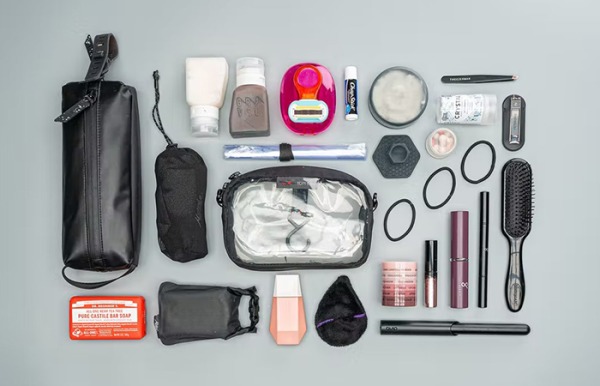
One of the most important things to pack for a study holiday abroad is a toiletries bag with everything needed for daily hygiene.
Remember that liquids and certain personal care items should go into the checked suitcase rather than hand luggage. Here are the main essentials:
- toothbrush
- toothpaste
- shampoo and body wash stored in leak-proof containers
- hairbrush or comb
- hairdryer
- sun cream
- any required medication
If your child takes prescription medication, make sure they also bring any documents or prescriptions that may be needed while travelling.
📥 Download the free checklist Print it and share it with families before departure. Download PDF →
Clothing for a study holiday
During a study holiday, students spend time in lessons, on excursions and taking part in sports or evening activities. Casual clothing is usually the most practical option.
The destination will help determine exactly what they should pack. If they are travelling to destinations such as New York City, summer temperatures are generally similar to many parts of Europe, so lightweight trousers, shorts and T-shirts are usually suitable.
If they are travelling to Malta or Miami, for example, the climate may be hotter and beach activities are more common, so lighter clothing and extra swimwear are often useful.
Even in warm destinations, it is still important to prepare for cooler evenings or rainy days. Packing at least one hoodie, jumper or lightweight waterproof jacket is always recommended.
Read the guide for the summer destinations in United Kingdom
What to pack for a study holiday by the beach
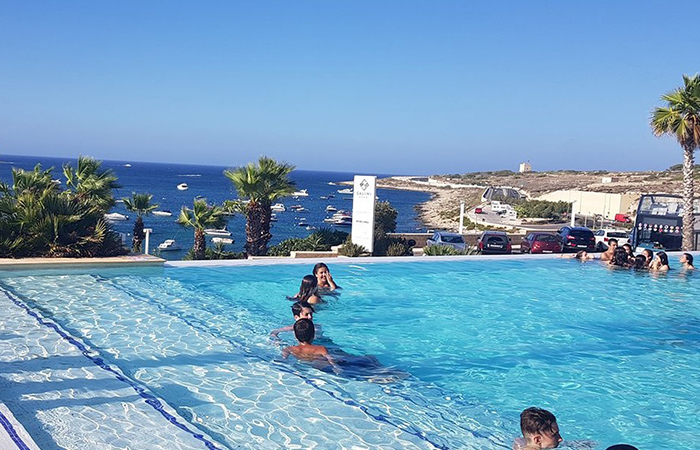
For seaside destinations, lightweight and breathable clothing is usually the best option. Try to choose versatile pieces that work well for excursions, lessons and free time.
Recommended items include:
- short-sleeved T-shirts
- shorts
- trainers for walking
- comfortable casual shoes
- a cap or sun hat
- beach towel
- swimwear
What to pack for a mountain destination
Mountain destinations usually require slightly more adaptable clothing. Days may still feel warm, but evenings and excursions can become much cooler.
Alongside summer clothes, make sure to include:
- short and long-sleeved tops
- jeans or long trousers
- lightweight and heavier jumpers
- a warm jacket or coat
- a waterproof jacket
- two pairs of shoes, including one suitable for walking or hiking
A cap or bandana is also helpful for protection from the sun during outdoor activities.

Sportswear and activity essentials
Study holidays often include sports, games and swimming sessions, so it is important that students have suitable clothing for these activities.
Useful items include:
- one pair of trainers
- sportswear or lightweight tracksuit
- swimwear
- swimming cap
- flip-flops or pool sandals
- microfibre towel or dressing gown
Useful accessories and money for travelling abroad
Most students will remember their phones immediately, but chargers and travel accessories are just as important. Before departure, double-check that they have packed:
- phone charger
- portable charger if needed
- headphones
- any other important electronics
Depending on the destination, your children may also need a travel plug adapter. Countries such as the United Kingdom and the United States use different plug sockets from most European countries.
If you are unsure, a universal travel adapter is usually the easiest option and can be purchased online quite cheaply.
Read the guide for study travel in USA with L’Astrolabio
Study materials: what students should bring
Schools and colleges normally provide all teaching materials during the study holiday, so there is no need to pack textbooks or notebooks unless specifically requested.
Still, it is useful to bring a small pencil case with a few basic items, such as:
- pens
- pencils
- rubber
- pencil sharpener
- coloured pencils or highlighters if preferred

How much money should students bring on a study holiday?
If your children are travelling within Europe, such as to Spain, Malta or Ireland, they may already be able to use the euro. For destinations such as the United Kingdom or the United States, they will need local currency.
It is often easier to organise some cash before departure so students do not need to exchange money alone once they arrive. A prepaid card can also be useful for emergencies or additional spending.
Because study holidays usually include full board accommodation, students generally do not need extra money for meals or drinks. Most spending money is used for souvenirs, snacks, optional excursions or personal purchases.
Based on our experience, around €130 to €150 per week is usually enough for European destinations. For the USA and other non-European destinations, around €150 to €200 per week in local currency is often more suitable.
The amount may vary depending on the student’s age, destination and personal spending habits. Group leaders will usually inform parents in advance about any additional costs students may need to consider.
Everything packed? Then all that is left to do is enjoy the excitement before setting off on an unforgettable study holiday abroad!
Ready to organise a study holiday for your group?
Putting together a well-organised packing list is one of the last steps before departure. Getting to that point, choosing the right destination, the right school, the right accommodation and the right dates, is where the real work happens.
L’Astrolabio has been organising group study holidays for over 40 years, working with travel agencies and group leaders across Italy and Europe. If you are planning a programme for your students and want a reliable operator behind you, one who handles the school accreditation, the accommodation, the local coordination and the pre-departure support, we would be glad to hear from you.
Talk to our team about your next group programme →
FAQ: What to Pack for a Study Holida
Q: What should I pack for a study holiday abroad? For a study holiday abroad, students need comfortable everyday clothing, sportswear, swimwear if relevant to the destination, a toiletries bag, phone charger and any required medication. Schools typically provide all teaching materials, so there is no need to pack textbooks. A small pencil case with basic stationery, a travel adapter for UK or US destinations, and some local currency or a prepaid card complete the essentials.
Q: How many clothes should a teenager pack for a two-week study holiday? For a two-week study holiday, teenagers typically need seven to ten casual outfits, one or two sets of sportswear, swimwear, a hoodie or lightweight jumper, and a waterproof jacket. Most college and hotel accommodations have self-service laundry facilities, so students can wash clothes during their stay and avoid overpacking. Packing a laundry bag for dirty clothes is also recommended.
Q: Do students need to bring school materials on a study holiday? No. Language schools on study holiday programmes supply all teaching materials, including books and worksheets, as part of the course. Students do not need to bring textbooks or notebooks from home. A small pencil case with pens, pencils and a rubber is useful to have, but is not usually compulsory. Group leaders will inform families in advance if anything specific is required.
Q: What clothes should students pack for a study holiday in England? For a study holiday in England, students should pack a mix of summer clothing and layers for cooler weather. England’s climate is unpredictable, so lightweight tops and shorts for warmer days should be combined with a hoodie, a jumper and a waterproof jacket. Comfortable trainers suitable for walking are essential. Even in summer, evenings can be cool, so packing an extra layer is always advisable.
Q: What clothes should students pack for a study holiday in the USA? For a study holiday in cities such as New York or Los Angeles, lightweight trousers, shorts and T-shirts are usually suitable for summer temperatures. Students should also pack comfortable walking shoes, a hoodie for air-conditioned environments and a waterproof layer for unexpected rain. A travel adapter is essential for US plug sockets, which are different from European ones.
Q: What clothes should students pack for a study holiday in Malta or Miami? For warmer destinations such as Malta or Miami, lightweight and breathable clothing is the most practical option. Students should pack short-sleeved T-shirts, shorts, swimwear, a cap or sun hat and beach towels. Sun cream with a high SPF is important and often forgotten. Even in hot destinations, a light hoodie is useful for air-conditioned classrooms or cooler evenings.
Q: Do students need a travel adapter for a study holiday? Yes, if they are travelling to the United Kingdom or the United States. Both countries use plug sockets that are incompatible with standard European plugs. A universal travel adapter is the simplest solution and can be purchased online before departure. Students travelling to Malta or Ireland, which use UK-style sockets, also need an adapter. Students travelling within the Eurozone generally do not need one.
Q: How much spending money should a student bring on a study holiday? Study holidays typically include full board accommodation, so spending money is mainly used for souvenirs, snacks and personal purchases. Based on general experience, around €130 to €150 per week is usually sufficient for European destinations such as England, Ireland or Malta. For non-European destinations such as the United States, between €150 and €200 per week in local currency is more appropriate. Group leaders will advise families on any destination-specific costs.
Q: Should students bring cash or a card on a study holiday? Both are useful. Organising some local currency before departure avoids the need to exchange money on arrival. A prepaid travel card is also practical for emergencies or additional spending and can be topped up remotely by parents if needed. In the United Kingdom and the United States, card payments are widely accepted, but having a small amount of cash available is still recommended for smaller purchases.
Q: What toiletries should students pack for a study holiday? Students should pack a toiletries bag with a toothbrush, toothpaste, shampoo, body wash in leak-proof containers, a hairbrush, hairdryer, sun cream and any personal medication. Liquids must go into the checked suitcase rather than hand luggage. If a student takes prescription medication, they should also carry the relevant prescription or medical documentation when travelling.
Q: Are towels provided on study holidays? In most cases, yes. College and hotel accommodations on study holiday programmes typically provide towels for students. It is worth checking with the programme organiser before packing, as policies can vary depending on the accommodation type and destination. Even when towels are provided, packing one small additional towel for beach visits or day excursions is always a practical choice.
Q: What sportswear should students pack for a study holiday? Study holiday programmes usually include sports sessions and swimming activities, so students need appropriate clothing. Recommended items include trainers, a lightweight tracksuit or sportswear set, swimwear, a swimming cap, and flip-flops or pool sandals for use around the pool or changing areas. A small microfibre towel is also useful for sports and swimming sessions, particularly if the main accommodation towel is not suitable for outdoor use.
Q: What should students NOT pack for a study holiday? Students do not need to bring textbooks, course materials or extra stationery beyond a basic pencil case, as these are provided by the school. Overpacking clothing is also a common mistake: most accommodations have laundry facilities, so fewer outfits are needed than parents might expect. Valuable items, large amounts of cash and irreplaceable belongings are best left at home to reduce the risk of loss or damage during the trip.