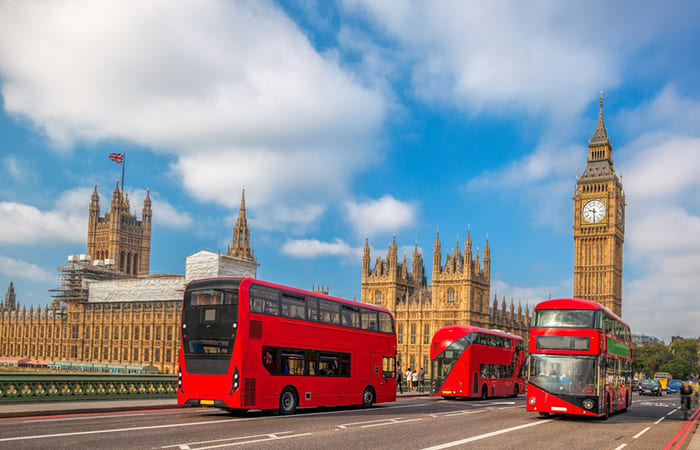
When you think of London, what comes to mind? Big Ben, the River Thames, Buckingham Palace and the famous red telephone boxes that now remain largely as a tourist attraction. Together, they help make London one of the most visited cities in the world.
Yet there’s another unmistakable sight that appears in almost every photograph of the British capital: the iconic red London double-decker bus.
Alongside the London Underground, these buses remain one of the quickest and most efficient ways to travel around this ever-growing city. They’re practical, affordable and instantly recognisable.
What many visitors don’t realise, however, is that today’s buses are very different from the originals. The story behind London’s famous double-deckers stretches back almost 200 years and reveals how they evolved into one of the city’s defining features.
Did you know, for example, that London’s buses became red because the company behind them wanted to stand out from its competitors? Here’s everything you need to know about the history of the London double-decker and why it’s still such a popular way to get around.
The history of London’s double-decker buses
London’s earliest form of public transport appeared in 1829 and consisted of horse-drawn vehicles designed to carry passengers across the city, much like an early taxi service.
The service was introduced by George Shillibeer, who operated horse-drawn omnibuses between Paddington and the City of London. His aim was to offer a reliable shared transport service that worked in a similar way to modern buses.
In 1855, the London General Omnibus Company was established to manage London’s growing network of horse-drawn omnibuses. Bringing the different operators together helped improve organisation and created a more reliable service for passengers.
As technology developed, horse-drawn transport gradually disappeared. In 1919, steam-powered buses began replacing the older vehicles, providing a more modern way to travel around the capital.
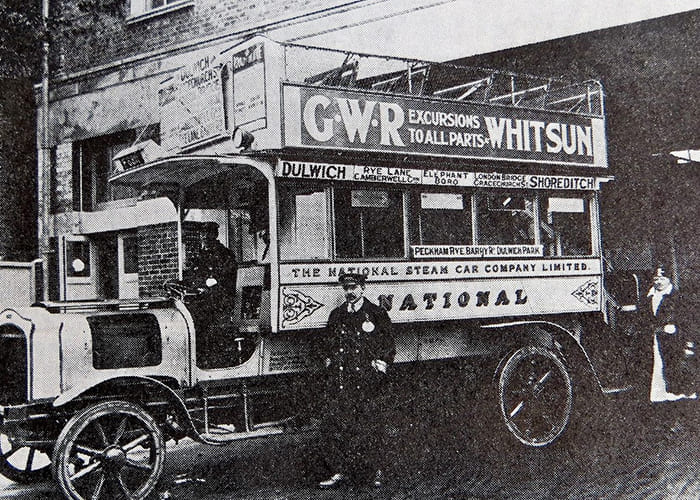
Steam buses were soon overtaken by motorised buses, which proved even more practical and efficient.
During this period, the London General Omnibus Company became part of the London Passenger Transport Board, with its bus division becoming known simply as London Transport.
It was during these early years that London’s buses adopted their now-famous red colour. The London General Omnibus Company chose the striking shade in 1907 to distinguish its vehicles from those operated by rival transport companies.
Another important milestone came in 1906, when bus routes began being identified by numbers, making it much easier for passengers to find the correct service.
In 1924, responsibility for allocating route numbers was handed to the Metropolitan Police. The system quickly became confusing for transport operators, leading to organisational problems across the network.
These issues were resolved in 1933 when the London Passenger Transport Act returned responsibility for route numbering to the transport authorities. The system became far more consistent, forming the basis of the route numbering used today.
In 2000, responsibility for London’s buses passed from the government-controlled London Regional Transport to Transport for London (TfL), the organisation that continues to manage the capital’s bus network today.
Why you should travel on a London double-decker bus
Today, four main types of double-decker buses can be seen travelling through London’s streets.
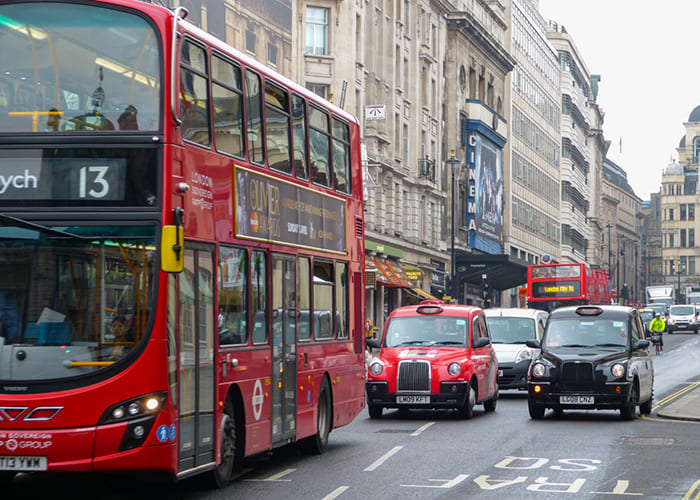
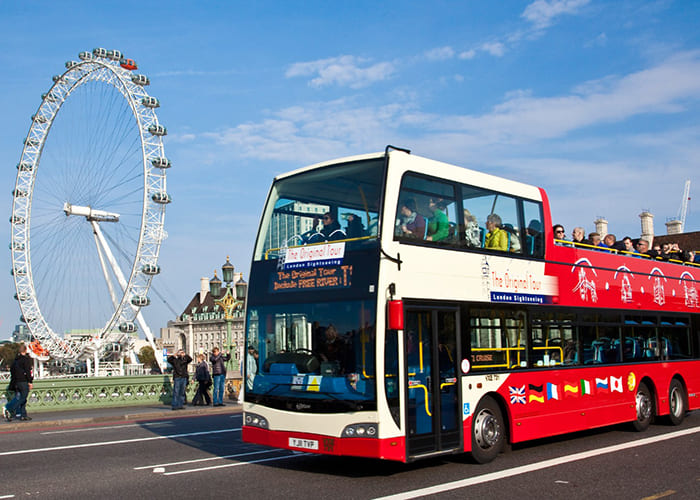
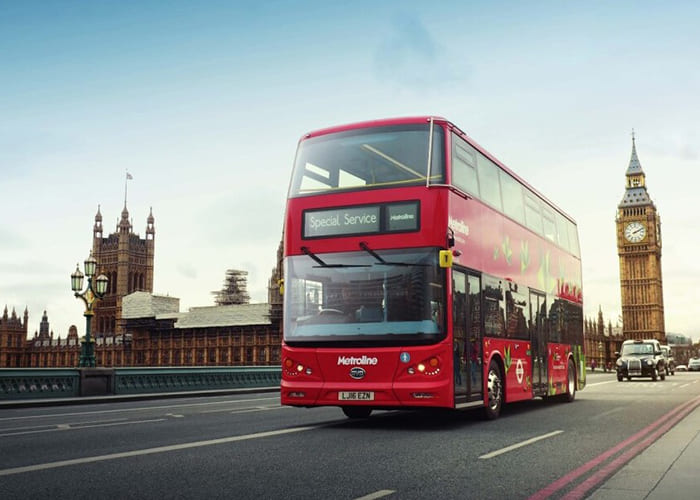
Most visitors will spot the modern square-bodied buses introduced towards the end of the twentieth century, the newer streamlined models and the familiar open-top sightseeing buses used for hop-on hop-off tours.
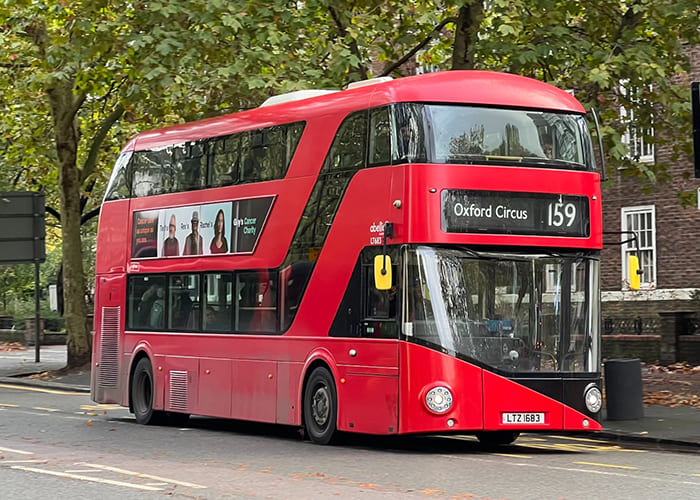
The fourth type is much rarer: the classic Routemaster, first introduced in the 1950s and still loved by Londoners and visitors alike.
The double-decker has remained popular for well over a century because it offers one of the easiest, most affordable and most enjoyable ways to travel around London.
Here are seven reasons why you should take at least one bus journey during your stay:
Contents
It’s an affordable way to explore London
Unless you’re planning to walk or cycle everywhere, London’s buses are one of the cheapest ways to get around the city.
Daily fare caps mean you can make unlimited bus journeys for a relatively low cost, making them an excellent option if you’re planning to visit several attractions in one day.
One thing to remember is that London buses no longer accept cash payments. You’ll need to use an por a contactless bank card to pay for your journey.
You see much more of the city
Travelling on the Underground gets you from one place to another quickly, but you spend much of your journey beneath the streets with little sense of how different parts of London connect.
Taking the bus gives you a completely different perspective.
As you travel, you’ll begin to understand how the city’s neighbourhoods fit together and where many of London’s best-known landmarks are in relation to one another.
The views are fantastic
One of the biggest attractions of a double-decker bus is the upper deck.
Sitting upstairs gives you a much better view of London’s streets than you would have from a car or taxi. Because you’re higher than most surrounding traffic, you can enjoy uninterrupted views of the city, even during busy periods.
If you can, try to grab a seat at the very front of the upper deck for one of the best views in London.
They’re ideal if you’re travelling with young children
If you’re visiting London with children, you’ll quickly discover that many Underground stations involve long staircases, and not all have lifts.
Buses are much more convenient. You can board without folding your pushchair, and every bus includes dedicated spaces where pushchairs can be safely positioned during the journey.
Google Maps makes bus travel easy
Apps such as Google Maps make London’s bus network incredibly simple to use.
You can quickly find your nearest bus stop, see which routes stop there and check live arrival times.
The apps also show every stop along the route, making it much easier to know exactly where to get off.
If you’re joining one of our excursions during your stay in Egham, using Google Maps can help you travel confidently around London between organised activities.
They’re usually less crowded than the Underground
Despite how useful they are, many tourists still rely almost entirely on the Tube.
Because buses run so frequently, often every three to ten minutes depending on the route, it’s usually much easier to find a seat.
That means you can relax, enjoy the views and experience London at a slower pace while travelling comfortably across the city.
Discover London beyond the classroom
Getting around London is all part of the experience, and travelling on a red double-decker is something every visitor should do at least once.
Whether you’re heading to one of the city’s famous landmarks, exploring neighbourhoods away from the main tourist areas or travelling during one of our organised excursions, London’s buses offer an affordable, practical and memorable way to see the capital.
If you’re planning an English study holiday with Astrolabio, our London and Egham programme gives you plenty of opportunities to experience iconic London transport while discovering everything the city has to offer.