
By Martina Rossi, International Study Travel Consultant
Updated: 24 February 2026 and translated from Italian to English.
Over 12 years designing international language pathways
This guide is based on direct experience gained between 2014 and 2026, accompanying students in partner schools in the United Kingdom, Ireland and Canada, and observing first-hand how language learning transforms habits, confidence and personal outlook.
How is learning a language far more than simply studying it?
Learning a language does not mean memorising vocabulary or mastering grammatical rules alone. It means coming into contact with new cultures, new mindsets and new ways of living. When a language is lived in daily life, through spontaneous conversations, initial struggles and small daily achievements, it stops being a school subject and becomes a personal experience.
At school, you study structures, tenses and lexis. All of this is fundamental, but it represents only one part of the process. The real transformation happens when the language steps out of the textbook and into real life, when you try to express your own opinion, laugh at a joke you understand instantly, or manage to explain an emotion without translating it in your head first.
Language becomes a practical tool. You use it to ask for information, build friendships, understand films, music and traditions. It becomes a bridge between identities. Every word learned is not just a sound, but access to a wider world. Study is the starting point; lived experience is what makes learning meaningful and long-lasting.
What changes when language becomes experience?
When language is lived in real contexts, your relationship with mistakes changes. An error is no longer a bad mark, but a necessary step towards being understood. In authentic situations, nobody expects absolute perfection. What matters is communication.
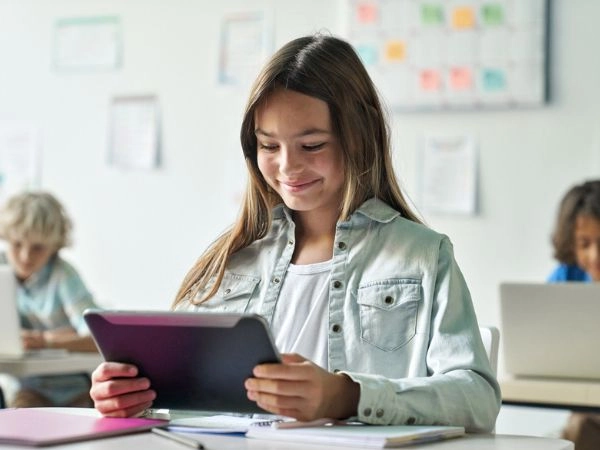
Speaking with native speakers, ordering a meal, asking for directions: every situation becomes a laboratory of personal growth. At first you may feel embarrassed, but that very discomfort pushes you to improve. You learn to listen carefully, observe reactions, and reformulate a sentence when it is not understood.
You also develop essential transferable skills: autonomy, adaptability, active listening and cultural empathy. Living a language means learning to observe the world from different perspectives. Your self-confidence grows as well. Overcoming the fear of speaking in another language strengthens your self-esteem in a tangible and visible way.
How does language help you understand yourself?
Every language offers new shades for expressing emotions and thoughts. Some words have no exact translation, and this difference broadens your self-awareness. When you search for the right term, you reflect more deeply on what you truly feel.
Learning to speak about yourself in another language forces you to simplify, to choose carefully, to consider what you genuinely want to communicate. This process makes you more conscious of your identity. You may notice that certain traits become more pronounced when you speak a different language. You might feel more direct, or perhaps more reflective.
Encountering different cultures encourages you to question habits and assumptions. You realise that what once seemed “normal” is simply one possibility among many. This openness supports maturity and critical thinking, both central to personal development.
What is the role of studying abroad?
A language stay abroad is one of the most effective ways to turn study into lived experience. Living in a foreign city means facing the language every day, in shops, on public transport, during afternoon activities and in informal conversations.

Experiences between Edinburgh and Vancouver show that, after just a few weeks, listening comprehension improves noticeably thanks to constant exposure. An authentic environment accelerates learning because it involves emotions, relationships and real situations.
It is not simply about attending lessons. It is about living a different routine. Doing the food shopping, asking about a bus timetable, joining a sports activity: each moment becomes an opportunity for spontaneous learning. This kind of linguistic immersion makes the language feel natural, less constructed and more fluid.
Language as a tool for building relationships
Speaking a foreign language allows you to create connections that go beyond geographical borders. Friendships formed during international experiences often last over time because they are built on shared discovery and mutual understanding.
Communicating in another language teaches patience and the ability to find common ground. You learn that communication is not made of words alone, but also gestures, facial expressions and tone of voice. This awareness makes relationships more genuine and meaningful.
Through language, you discover family traditions, daily routines and different ways of celebrating or spending free time. Every conversation becomes a cultural exchange. This mutual enrichment helps shape more aware and respectful global citizens.
How does it improve your study method?
When language becomes experience, your way of studying changes. Grammar rules gain practical meaning. They are no longer abstract exercises, but tools that help you express yourself more clearly. You understand why a particular tense is needed or how a structure supports communication.
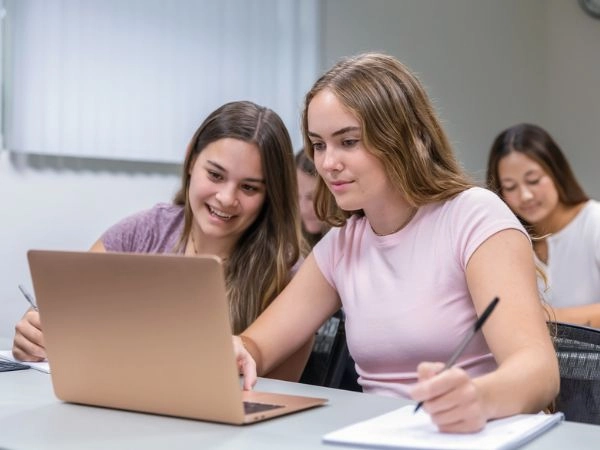
Motivation increases because you see concrete results. Watching a series in the original language, understanding a song or holding a real conversation becomes an immediate reward. Learning turns into an active, engaging process.
You also develop greater independence. You search for online resources, use apps, read articles that reflect your interests. The language enters your daily routine and is no longer confined to classroom hours.
What skills does it develop beyond language?
A meaningful language experience supports the development of skills that go well beyond communication.
- You build autonomy by managing unfamiliar situations.
- You strengthen problem-solving by handling communication challenges.
- You learn to cope with the unexpected by adapting to new contexts.
- You develop intercultural awareness by understanding and respecting different cultures.
- You increase adaptability, an increasingly valuable quality in a changing world.
These abilities are highly valued in both academic and professional settings. Language becomes a catalyst for overall growth, not only a communication tool but a true training ground for life.
Language and your personal future
In a connected world, speaking more than one language opens access to wider opportunities. International universities, exchange programmes and global collaborations require strong linguistic skills.
Beyond tangible opportunities, language offers freedom. Freedom to travel confidently, to access information from different sources, to understand global perspectives without relying on translation. It provides cultural independence and critical awareness.
If you master a foreign language, you can take part in international debates, follow online courses from overseas universities and access original content. Your horizons expand, and with them, your curiosity and ambition.
Why does direct experience make a difference?
Passive learning does not have the same impact as lived experience. Actively taking part in conversations, projects and local activities makes language concrete and alive.

During international workshops organised between Malta and New York, practical involvement proved to strengthen long-term memory. Positive emotions connected to real experiences reinforce linguistic recall.
When you live a meaningful moment, a successful presentation, a spontaneous conversation, a new friendship, the language becomes tied to emotion. What moves you emotionally stays with you for much longer
How can you keep the experience alive over time?
To turn language into an ongoing experience, it helps to integrate small habits into everyday life.
- You can watch films and series in the original language.
- You can read authentic articles or books on topics you enjoy.
- You can take part in online cultural exchanges.
- You can keep a personal diary in the foreign language.
- You can travel when possible or host international students.
Consistency strengthens competence and keeps motivation high. Even a few minutes each day can make a lasting difference.
Learning a language is a lifelong path
Learning a language means beginning a process that does not end with an exam or a grade. It accompanies you throughout life, enriching your perspectives, relationships and opportunities.
Language is experience, discovery and personal growth. It is the key to understanding the world and expressing yourself more clearly. When you transform study into lived experience, every word gains genuine value, and learning becomes a source of freedom and openness towards the future.
About the author
Martina Rossi
International Study Travel Consultant
For over 12 years she has designed personalised language programmes in collaboration with international schools and institutions. She has directly overseen programmes in the United Kingdom, Ireland and Canada, combining academic structure with practical experience, always placing strong emphasis on students’ personal growth and independence.