
Few modern royal figures have attracted as much sustained public interest as Catherine, Princess of Wales.
The Princess of Wales is known to many simply as Kate Middleton. She has grown from a relatively private young woman into one of the most recognisable and respected members of the British royal family, and Princess of Wales and future queen consort, she occupies a position that bridges tradition and modern public life.
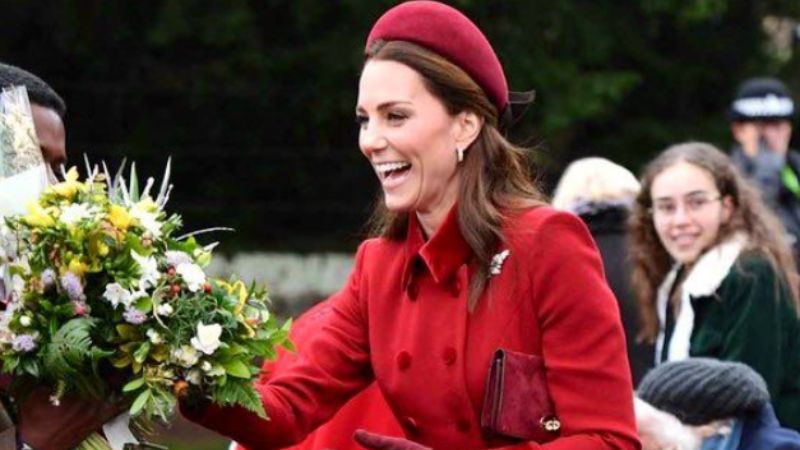
Since her marriage to Prince William in 2011, Catherine has been regarded as both a stabilising presence within the monarchy and a relatable public figure. Yet beyond the headlines and the fashion commentary lies a more layered story, shaped by family, education, resilience and a clear sense of duty.
Kate Middleton’s early life and family background
Catherine Elizabeth Middleton was born on 9 January 1982 at the Royal Berkshire Hospital in Reading.
She grew up in a close-knit, middle-class family whose values centred on hard work and independence. In 1987, her parents founded Party Pieces, a mail-order company specialising in party decorations and event supplies. The business expanded significantly over the years, becoming financially successful and providing the family with economic stability.
This entrepreneurial foundation of the Middleton household shaped Catherine’s upbringing, combining ambition with a practical work ethic.
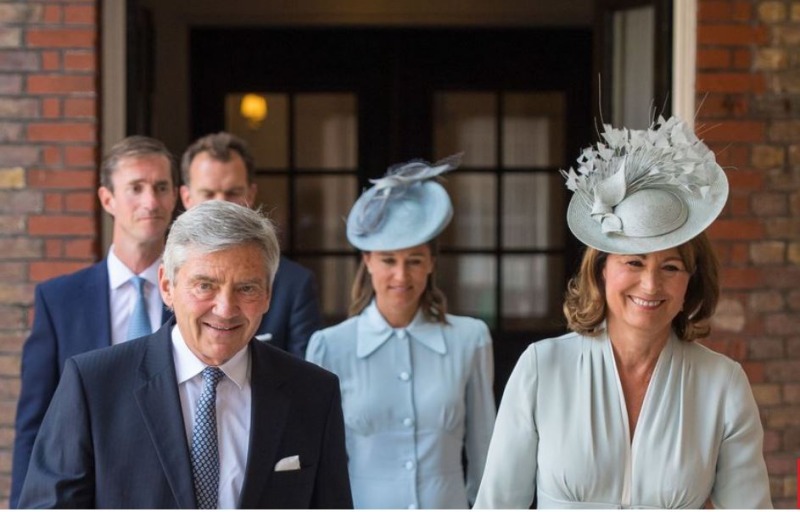
Although the Middleton family is not aristocratic in the traditional sense, genealogical research has shown distant links to landowning families and minor gentry. Nevertheless, Catherine’s childhood was relatively conventional. She attended Marlborough College, an independent boarding school, before going on to university.
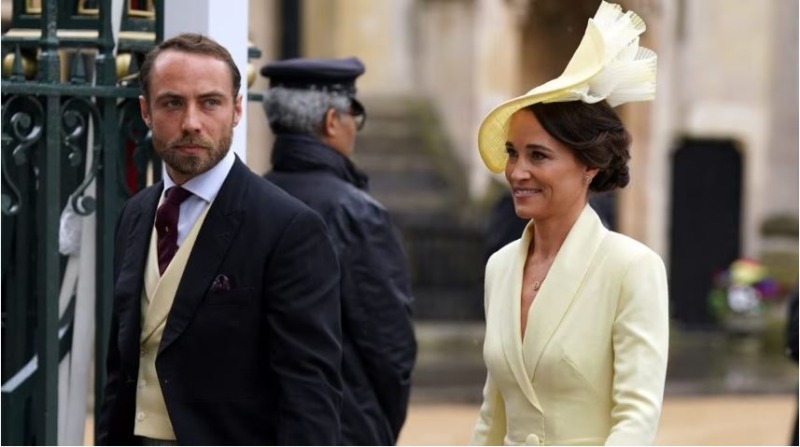
She is the eldest of three children. Her sister, Pippa Middleton, gained international attention as maid of honour at the 2011 royal wedding and has since pursued writing and philanthropic interests.
Her younger brother, James Middleton, has built a career in finance and has spoken openly about mental health, adding a contemporary dimension to the family’s public profile.
University years and meeting Prince William
Catherine met Prince William in 2001 while studying History of Art at the University of St Andrews in Scotland. At the time, William was also beginning his university education after taking a gap year. Their early connection developed within a shared group of friends and academic peers, rather than as an immediate public romance.
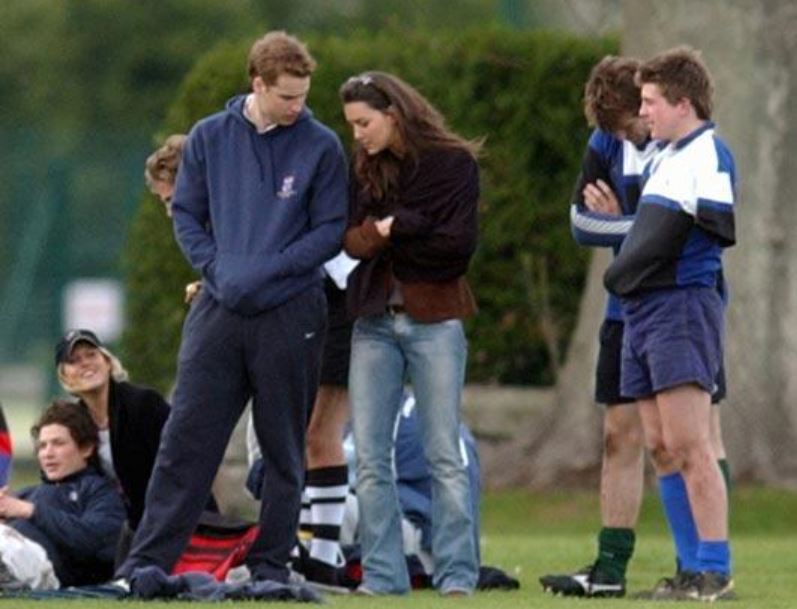
By 2003, their friendship had become a relationship. They shared accommodation with friends during their second year, living largely outside the spotlight despite increasing media curiosity, and it was during these formative years that Catherine learned to manage the tension between private life and growing public attention.
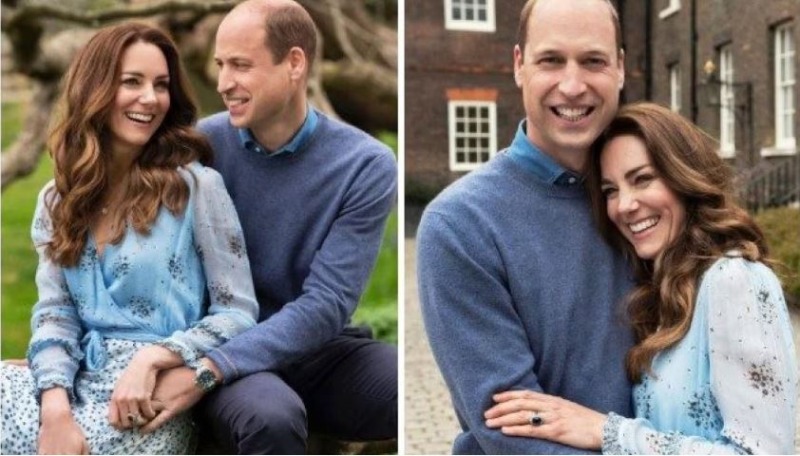
In 2007, the couple briefly separated, an episode widely reported in the press. Catherine faced intense tabloid scrutiny, including the nickname “Waity Katie”, reflecting public speculation about when or whether marriage would occur.
Her handling of that period revealed a remarkable composure under media pressure, as she avoided public statements and maintained discretion. Later that same year, the relationship resumed, appearing stronger and more settled.
Engagement and royal wedding
In October 2010, during a private holiday in Kenya, Prince William proposed to Catherine with the sapphire engagement ring that had belonged to his mother, Diana, Princess of Wales. The choice of ring linked the past and future within the royal narrative.
Their engagement was formally announced in November 2010, and on 29 April 2011 they were married at Westminster Abbey in London. The ceremony was watched by millions worldwide and marked one of the most widely viewed royal events in recent history.
Catherine’s wedding dress, designed by Sarah Burton for Alexander McQueen, combined lace craftsmanship with a structured silhouette that echoed historical royal gowns. The event signalled not only a marriage, but the beginning of a new chapter for the modern monarchy, balancing ceremonial grandeur with a sense of accessibility.
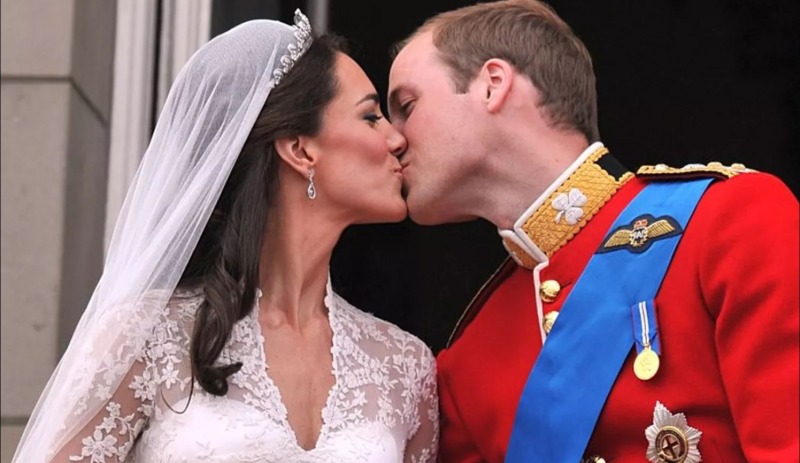
Following their marriage, they became the Duke and Duchess of Cambridge. In September 2022, after the accession of King Charles III, they were created Prince and Princess of Wales, placing them directly in line as the future king and queen consort.
Family life and motherhood
Family life has remained central to Catherine’s public image. Prince George was born on 22 July 2013, followed by Princess Charlotte on 2 May 2015 and Prince Louis on 23 April 2018, all at St Mary’s Hospital in London..
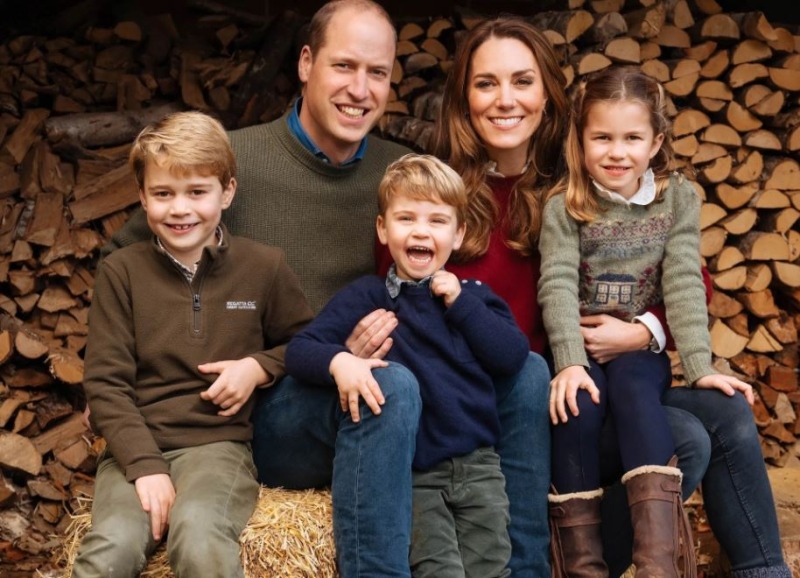
Catherine has consistently emphasised the importance of early childhood development, highlighting how the first five years shape long-term wellbeing. Her advocacy in this area is not symbolic but grounded in research initiatives and long-term programmes launched under her patronage.
The couple have sought to provide their children with stability and as much normality as possible within constitutional constraints. School choices, public appearances and carefully managed media access reflect a deliberate attempt to balance duty with privacy.
This focus on family as a cornerstone of public identity has resonated strongly with audiences both in the United Kingdom and internationally
What is the Princess of Wales’ role within the royal family and her future responsibilities
As Princess of Wales, Catherine undertakes a wide range of engagements across the United Kingdom and overseas. Her portfolio centres particularly on early years development, mental health awareness and support for vulnerable families.
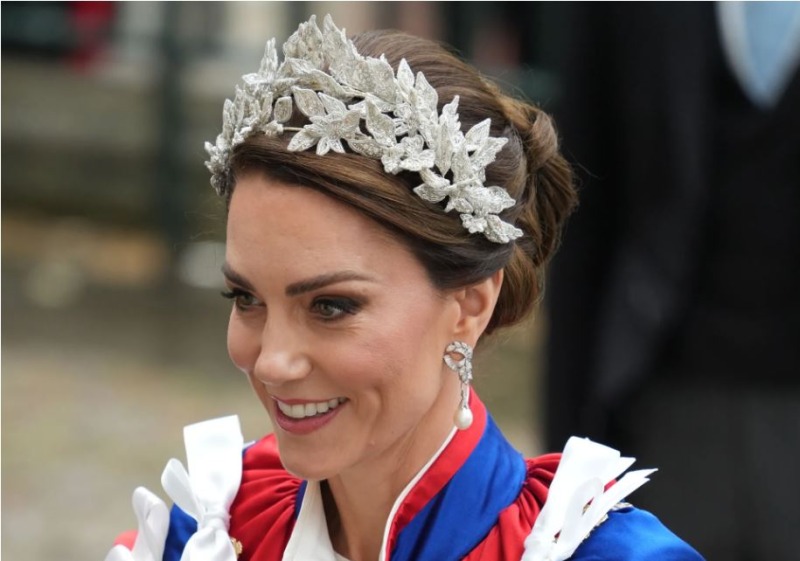
When Prince William ascends the throne, Catherine is expected to become queen consort. Unlike a reigning queen, a queen consort does not hold sovereign power, but plays a constitutional and symbolic role supporting the monarch. Preparation for that future position is visible in her measured public speaking, diplomatic engagements and sustained charitable focus.
The progression from duchess to Princess of Wales has been gradual, reflecting what many observers describe as a carefully structured path toward future queenship. Rather than seeking rapid prominence, Catherine has built credibility through consistency and continuity.
Kate Middleton’s style and cultural influence
Catherine’s influence on fashion has been widely documented. Her clothing choices frequently lead to immediate retail demand, a phenomenon often referred to as the “Kate effect”. She combines established British designers with accessible high-street brands, reinforcing a public image that balances elegance with relatability.
Her aesthetic is defined less by experimentation and more by continuity, favouring tailored coats, structured dresses and neutral palettes, which has strengthened her image as elegant and composed.
Beyond fashion, she supports British arts institutions and cultural organisations, attending exhibitions, performances and creative events. In doing so, she contributes to the visibility of the United Kingdom’s cultural sector and reinforces the monarchy’s connection to national heritage.
Philanthropy and public service
A defining element of Catherine’s public role is long-term charitable commitment.
She has supported organisations addressing mental health, addiction recovery, early childhood development and access to the arts. In 2016, alongside Prince William and Prince Harry, she contributed to the launch of the Heads Together campaign, which aimed to encourage open conversations around mental health.
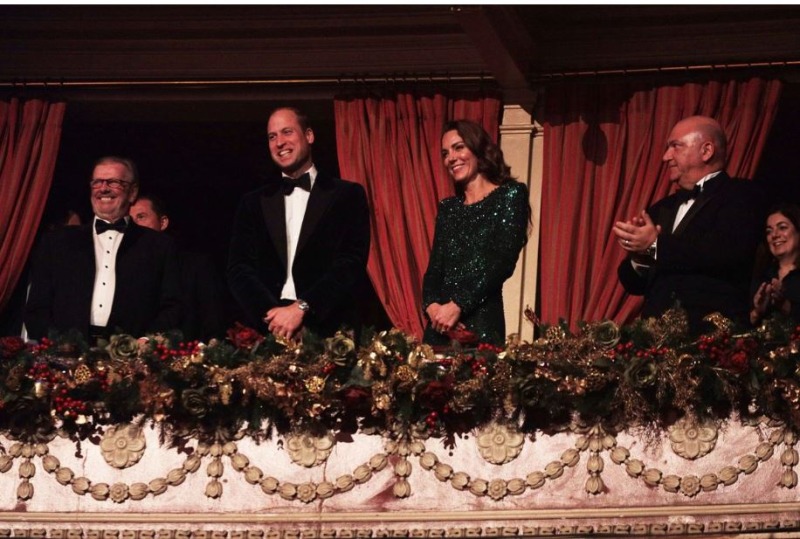
Her approach to philanthropy is characterised by sustained patronage rather than isolated appearances. She frequently undertakes visits to community projects, schools and healthcare facilities, maintaining ongoing relationships with organisations under her patronage.
This consistent engagement has reinforced the perception of service grounded in responsibility rather than spectacle, aligning her public persona with steadiness and reliability.
Catherine, Princess of Wales
From her Berkshire upbringing shaped by enterprise to her present role as Princess of Wales, Catherine’s life reflects both continuity and adaptation.
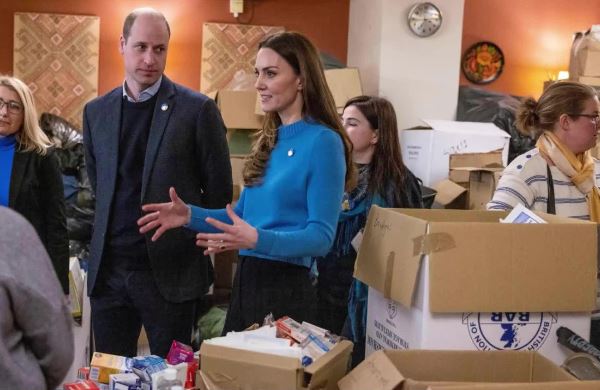
As she prepares for her eventual position as queen consort, her public identity continues to evolve within the framework of constitutional monarchy, shaped by family, duty and sustained public commitment.