
Everything you need to know about English afternoon tea before stepping into a tea room!
Have you always heard about the famous “five o’clock tea”, also known as English afternoon tea?
In just a few months, you’ll be heading off on your long-awaited study holiday. You’ve chosen to take English lessons in London to improve your language skills, and it’s exactly here that you’ll want to enjoy this iconic tradition with your friends.
When you travel to England, one of the experiences we always recommend to our students is this: sitting down together and enjoying a proper afternoon tea. It’s a simple way to get closer to British culture and understand it from the inside.
But where does this tradition come from? And why is it called “five o’clock tea”? Let’s take a closer look

Tea is an English tradition that dates back over 200 years
London is full of tea rooms where you can experience the tradition of afternoon tea, and there are plenty of different tea varieties to choose from.
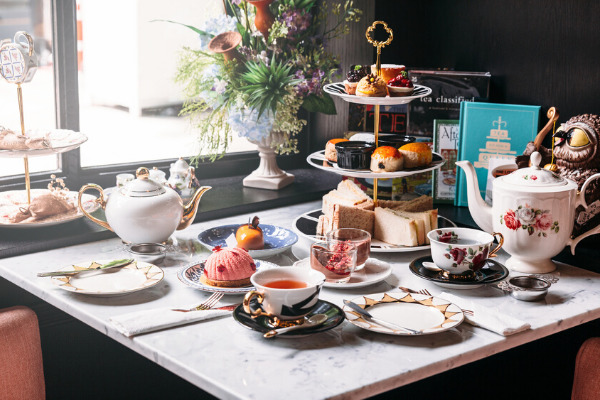
Tea is usually served in delicate porcelain cups, often decorated with floral patterns, and accompanied by small pastries or savoury bites.
In British tradition, there are two main types of afternoon tea:
- Low tea
- High tea
What’s the difference?
Low tea is served with pastries and small sandwiches, while high tea is a more substantial meal that can replace dinner!
Where the tradition began
The origins of afternoon tea go back to the early 1800s.
At the time, it was common in England to eat only breakfast and dinner, skipping lunch entirely. This long gap between meals often left people feeling hungry in the late afternoon.
Anna, the 7th Duchess of Bedford and a close friend of Queen Victoria, regularly experienced this hunger during her afternoons. While spending time chatting with the Queen, she found it difficult to wait until dinner.
To solve the problem, she asked her staff to bring something light to eat. A simple snack, something small to enjoy while waiting for the evening meal: tea and a few sweet treats.
This was served just before five o’clock.
She enjoyed the experience so much that she began repeating it every day, soon inviting friends and acquaintances to join her. Over time, this simple habit turned into a social ritual.

From private habit to social event
As the years passed, afternoon tea became more elaborate.
It was no longer just tea and small sweets. Cakes and sandwiches were added, turning it into a more structured and enjoyable occasion. By the early 1900s, it had become a true social event. Women would dress elegantly to attend, and it was seen as an important part of social life.
Eventually, the tradition spread across all social classes. Tea rooms and dedicated spaces began to open, making afternoon tea accessible to everyone. Today, London is full of places where you can enjoy it.
What you might not know about afternoon tea
What time is it usually served?
Despite it’s nickname, afternoon tea is not strictly served at five.
Traditionally, it’s enjoyed between 2:30 pm and 4:30 pm, well away from the main meals of the day.
How is it prepared?
Using tea bags is traditionally discouraged. ‘Proper’ afternoon tea is made with loose leaf tea.
To prepare it:
- Warm the teapot by rinsing it with hot water
- Add one teaspoon of tea per person, plus one extra for the pot
- Pour hot water over the leaves
- Let it steep for 3 to 5 minutes
Milk: yes or no?
During your study holiday in England, you’ll notice that many people drink tea with milk.
There is one rule to keep in mind: milk should not exceed about 20% of the cup, and it should be poured in before the tea. This tradition originally came from a practical concern. Adding milk first helped protect delicate porcelain cups from cracking or staining.
What about sugar?
Traditionally, sugar is served in cubes.
Today, people use all kinds of sweeteners, from white sugar to brown sugar or alternatives. It’s much more flexible than it once was!
Are snacks still served?
Yes, always.
Afternoon tea is meant to be enjoyed with a selection of sweet and savoury treats, from small sandwiches to cakes and pastries.
Try English afternoon tea for yourself during your stay
Now that you know more about this classic British tradition, why not experience it for yourself during your study holiday?
Ask your Activity Leader to take you and the other students to one of London’s many tea rooms during your free time. It’s a simple moment, but one that helps you understand the culture in a way that no classroom ever could.