
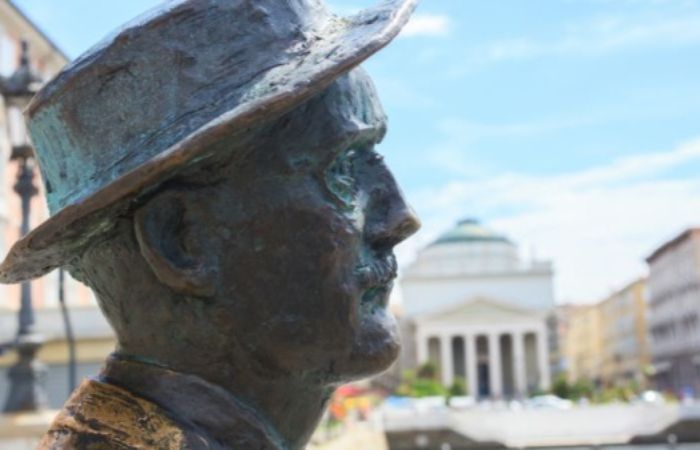
Dublin is the city that captured James Joyce‘s imagination, and following the Ulysses trail gives you the chance to see the places that shaped his literary masterpiece. It’s a fascinating way to discover the Irish capital, where Joyce’s admiration and frustration with his hometown are woven into every chapter.
As you follow the route described in Ulysses, you’ll walk the same streets as Leopold Bloom, taking in the landmarks, neighbourhoods and everyday scenes that became part of literary history. Although Joyce famously criticised Dublin, he returned to it again and again in his writing, portraying the city with remarkable honesty and detail.
If you’ve already read Ulysses (and if you haven’t, it’s well worth adding to your reading list), a study holiday in Dublin gives you the opportunity to bring the novel to life. You’ll recognise famous locations, picture memorable scenes and experience the city from an entirely different perspective.
Even if you’re new to Joyce, the route offers a unique way to explore Dublin. From historic streets and lively squares to traditional pubs and cultural landmarks, every stop tells part of the story behind one of Ireland’s most celebrated authors!
The plot of James Joyce’s Ulysses
Ulysses follows the events of a single day in the lives of Leopold Bloom and Stephen Dedalus. Set in Dublin on 16 June 1904, the novel explores their experiences, conversations and inner thoughts as they make their way through the city.
Inspired by the story of Odysseus from Greek mythology, Bloom’s day is filled with chance encounters, everyday routines and moments of reflection about love, family and life. At the same time, Stephen Dedalus, a young writer and intellectual, wrestles with questions about identity, ambition and his complicated relationship with his father.
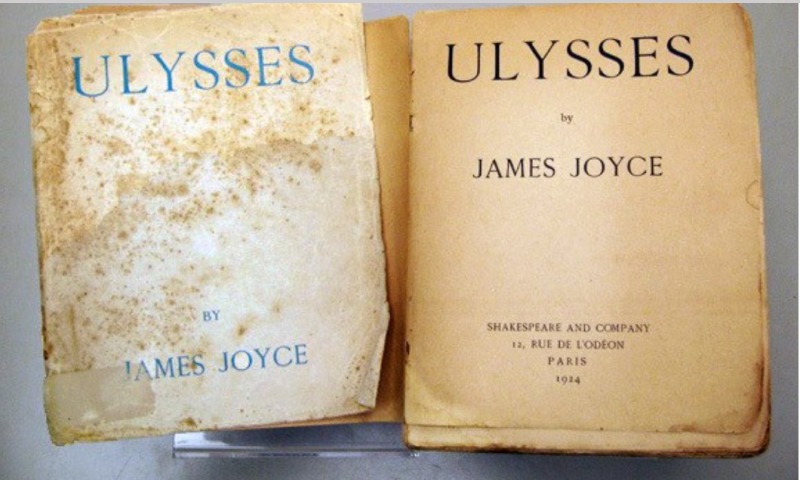
Through an extraordinary range of writing styles and countless literary references, Joyce creates a rich portrait of ordinary life. The novel explores themes including belonging, personal identity, happiness and the relationship between the past and the present.
Although Ulysses is famous for its complexity, it also celebrates the beauty and significance of everyday moments, showing that even the most ordinary day can tell an extraordinary story.
Discover Bloomsday
Ulysses is Joyce’s best-known work and remains one of the most influential novels ever written. Stretching across more than 1,000 pages, it’s often considered a challenging read, but it’s also an unforgettable one.
One of the novel’s most distinctive features is Joyce’s use of stream of consciousness, allowing readers direct access to his characters’ thoughts as they happen. This innovative style reveals not only the characters’ inner worlds but also Joyce’s creativity and his deep connection to Ireland.
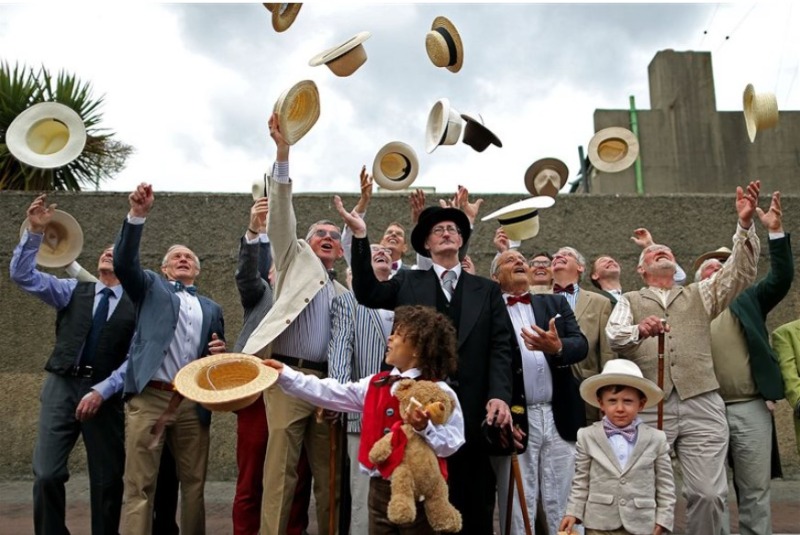
The novel takes place entirely on 16 June 1904, the day Leopold Bloom walks across Dublin. Every year, this date is celebrated as Bloomsday, when readers and visitors from around the world gather to honour Joyce and his masterpiece.
7 Eccles Street
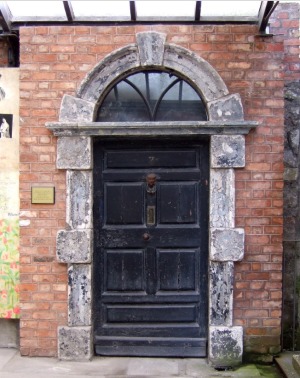
7 Eccles Street: Leopold Bloom’s home
Your literary walk begins at 7 Eccles Street, where Leopold Bloom starts his day.
Although the original house no longer stands, this location remains one of the most famous places associated with Ulysses. Reading the opening chapters while standing here makes it easy to picture Bloom preparing breakfast and beginning the day that would become one of literature’s most famous stories.
Joyce’s detailed descriptions even bring the smells and flavours of Bloom’s breakfast to life, from fried kidneys to hearty traditional dishes.
Eccles Street is also remembered for another reason. It is linked to Molly Bloom’s famous closing soliloquy, a remarkable forty-page passage containing almost no punctuation.
Widely regarded as one of the greatest passages in English literature, it offers an unforgettable glimpse into Molly’s thoughts.
St George’s Church, Hardwicke Place
Your next stop is St George’s Church on Hardwicke Place.
The church appears in the novel through the sound of its bells, which Bloom hears ringing from his home on Sunday morning. Standing nearby, it’s easy to imagine the sounds that Joyce wove into his portrait of Dublin life.
Rotunda Hospital
Continue to Rotunda Hospital in Parnell Square.
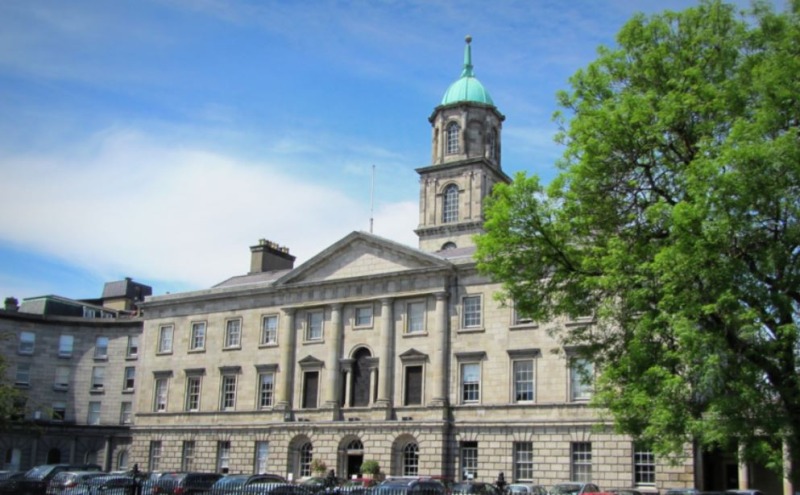
The hospital is briefly mentioned in Ulysses and forms part of Bloom’s route through the city. Today, it remains one of Dublin’s best-known historic hospitals and an important landmark along the literary trail.
Bachelor’s Walk
Continue your walk towards Bachelor’s Walk, where Leopold Bloom spots Dilly Dedalus outside Dillon’s auction rooms.
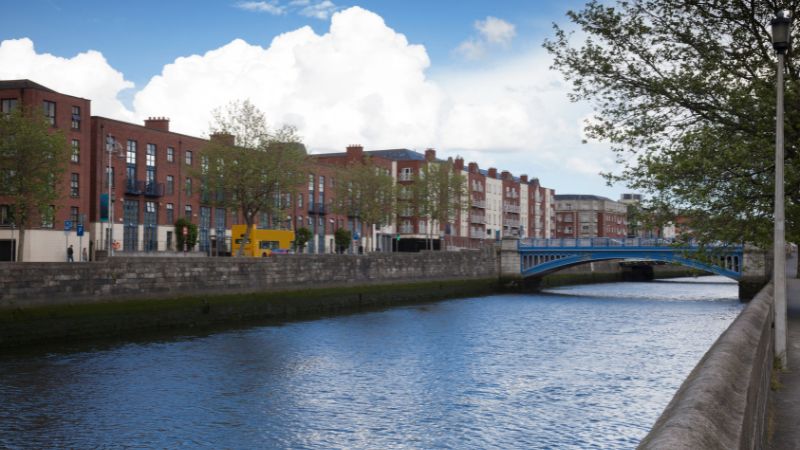
Today, Dillon’s has been replaced by The Winding Stair, one of Dublin’s best-loved independent bookshops. With its café overlooking the River Liffey, it’s a wonderful place to stop for a coffee or browse the shelves before continuing your tour.
O’Connell Bridge
Next, cross O’Connell Bridge, one of Dublin’s most recognisable landmarks.
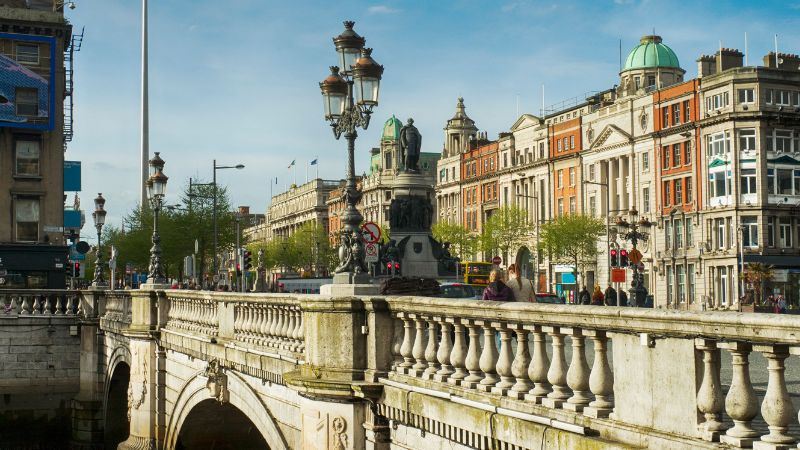
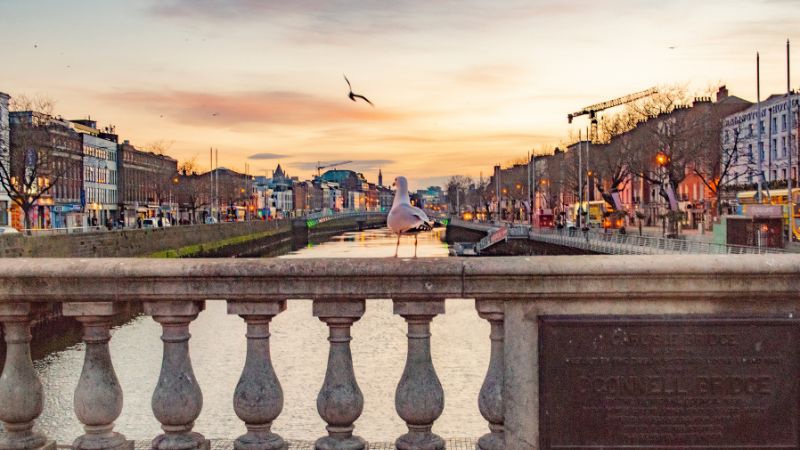
Bloom walks across the bridge after buying a cake to throw to the seagulls, one of the many small moments in Ulysses that transforms an ordinary day into something memorable.
Bank of Ireland, College Green
As you head further into Dublin’s city centre, you’ll pass the impressive Bank of Ireland at College Green.
Both Leopold Bloom and Stephen Dedalus pass this landmark during the novel, making it another key stop for anyone following Joyce’s route through Dublin.
Trinity College Dublin
No literary tour of Dublin would be complete without visiting Trinity College Dublin.
Joyce studied here between 1898 and 1902, and the university played an important role in shaping his early life and writing. While you’re there, you’ll also see the statue of Thomas Moore, a figure referenced in Ulysses.
If you have time, it’s also worth visiting the spectacular Old Library, home to the famous Book of Kells.
Sweny’s Pharmacy
One of the most popular stops on the Ulysses trail is Sweny’s Pharmacy.
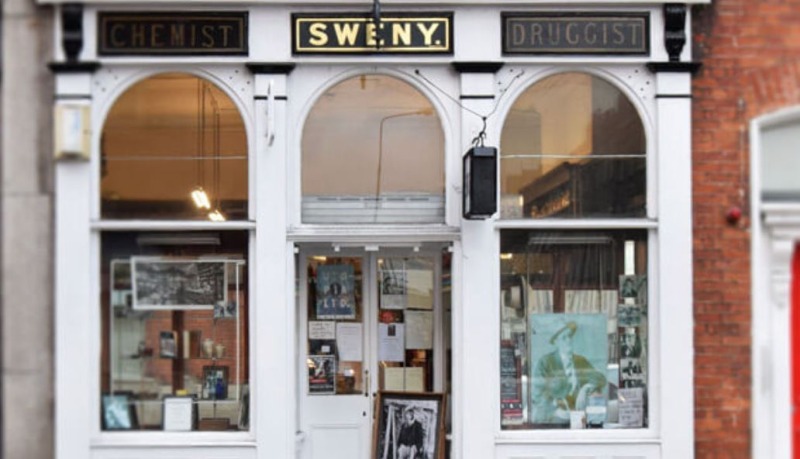
In Chapter Five of the novel, Leopold Bloom visits the pharmacy and buys a lemon-scented bar of soap, one of the book’s most famous recurring symbols.
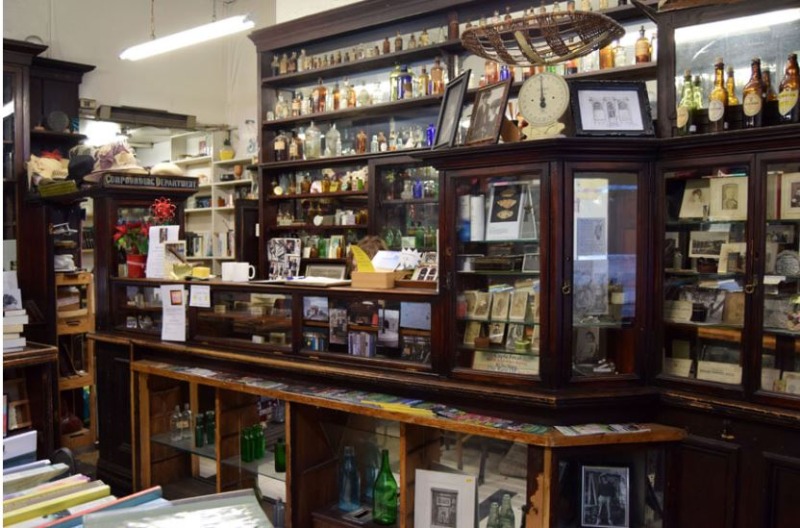
Remarkably, the Victorian pharmacy still survives today. Run by volunteers, it regularly hosts Joyce readings, literary events and Bloomsday celebrations, making it a must-visit destination for fans of Irish literature.
Merrion Square
Your walk then takes you to Merrion Square, one of Dublin’s most elegant Georgian squares.
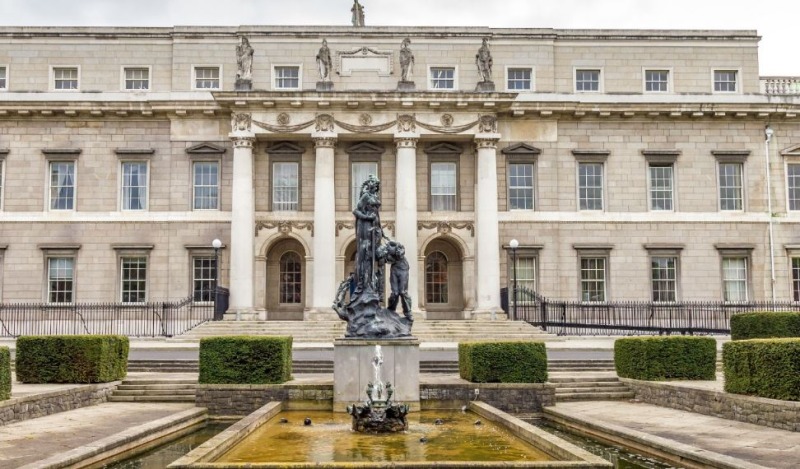
Bloom and Stephen Dedalus both pass through this area during the novel. Bloom walks beneath the entrance to the National Gallery while making his way towards the National Maternity Hospital to visit Mina Purefoy.
While you’re here, it’s worth exploring the National Gallery of Ireland, which houses an impressive collection of Irish and European art.
St Stephen’s Green
From Merrion Square, continue to St Stephen’s Green, Dublin’s best-known public park.
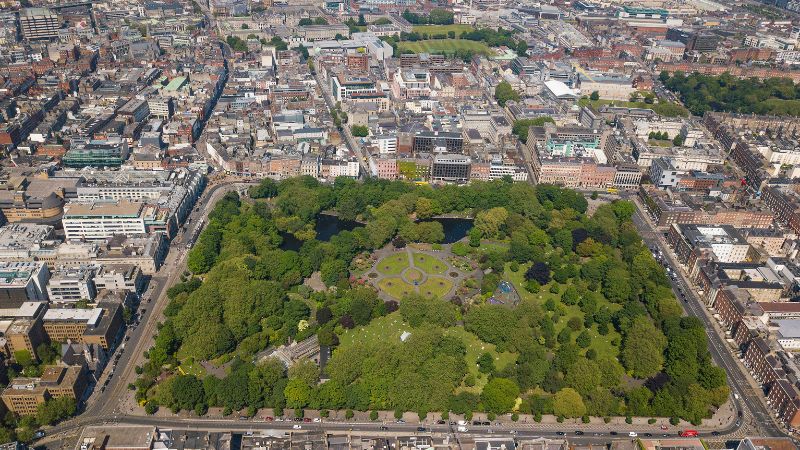
The park plays an important role in Ulysses, with Bloom describing its peaceful atmosphere in striking detail. Today, it remains one of the city’s most popular green spaces, offering a welcome break from the busy streets surrounding it.
National Museum of Ireland
A short walk away you’ll find the National Museum of Ireland on Kildare Street.
In the novel, Bloom waits outside the museum to avoid meeting Blazes Boylan, the man having an affair with his wife, Molly.
A visit today offers the chance to discover Ireland’s rich history, from prehistoric artefacts to medieval treasures.
Molesworth Street and Dawson Street
Continue along Molesworth Street and Dawson Street, where Bloom encounters a blind man and helps him cross the road.
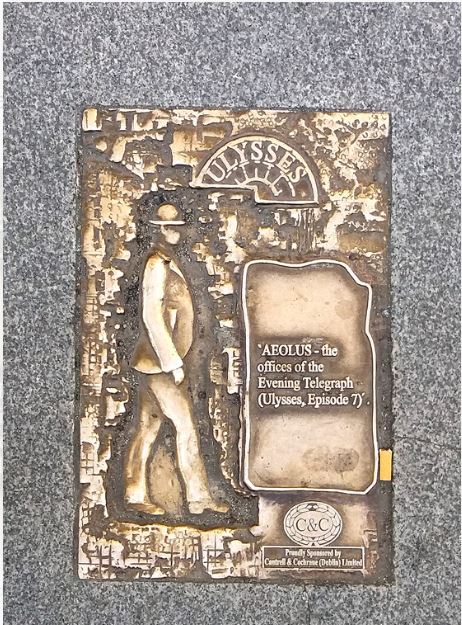
Today you’ll find a commemorative plaque featuring lines from Ulysses, marking another memorable location connected to Joyce’s masterpiece.
Davy Byrnes Pub
No Ulysses itinerary would be complete without stopping at Davy Byrnes Pub on Duke Street.
This historic pub is one of the most famous Joyce landmarks in Dublin. It’s here that Bloom enjoys a simple lunch of a Gorgonzola cheese sandwich and a glass of Burgundy, one of the novel’s most iconic scenes.
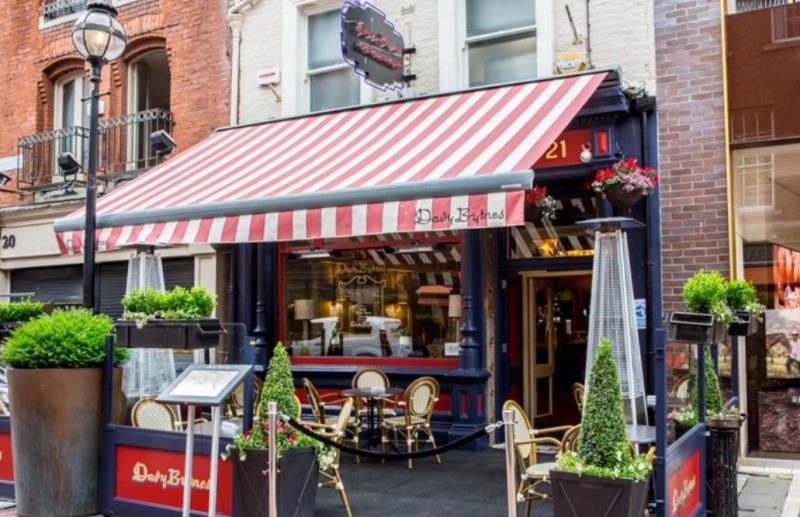
The pub remains a favourite destination during Bloomsday celebrations, and you can still order Bloom’s famous lunch if you’d like to recreate the experience yourself.
Grafton Street
The final stop on your literary walk is Grafton Street, Dublin’s lively shopping street.
Bloom comes here intending to buy a gift for Molly, and the area is also home to the historic Bewley’s Oriental Café, another location closely associated with Joyce’s Dublin.
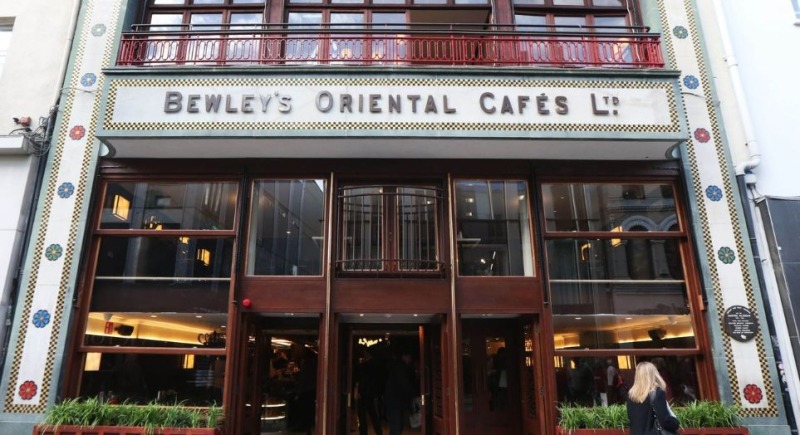
The café has welcomed visitors for generations and remains one of the city’s most famous meeting places, making it the perfect place to end your walk with a coffee while reflecting on the places you’ve visited.
Follow the Ulysses trail during your study holiday in Dublin
Following the Ulysses trail through Dublin is one of the best ways to discover the city beyond its famous attractions, and gives you the perfect opportunity to combine English language learning with discovering Ireland’s literary and cultural history!
So, if you’re planning a study holiday anywhere in Ireland, we definitely recommend taking some time to follow the footsteps of Leopold Bloom. It’s an experience that will help you see Dublin from a completely different perspective and bring one of literature’s greatest works to life!