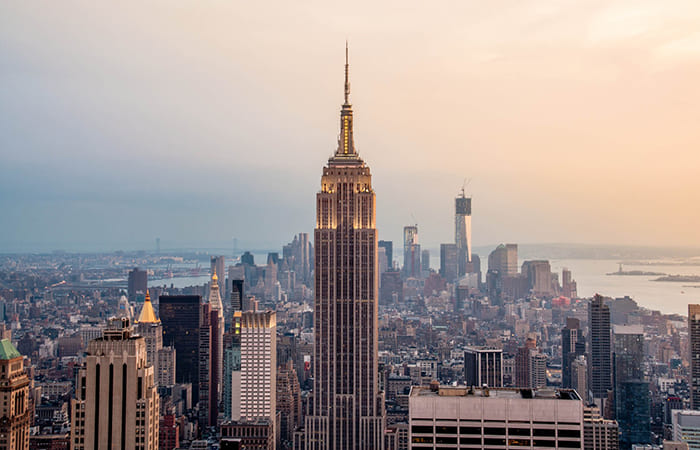
The Empire State Building is one of New York City‘s most recognisable landmarks and a lasting symbol of American ambition, engineering and financial success. Yet despite its iconic status today, there was a time when it was mockingly known as the “Empty State Building.”
If you’re planning a trip to New York, learning the story behind this world-famous skyscraper will make your visit even more memorable. From the optimism of the Roaring Twenties to the hardships of the Great Depression and beyond, the Empire State Building has witnessed some of the most significant moments in American history.
The rise and fall of one of the world’s most famous buildings
Few buildings anywhere in the world are as instantly recognisable as the Empire State Building.
Not only has it become one of the defining features of the New York skyline, but it also represents America’s rise as a global financial powerhouse during the twentieth century. Architecturally, it remains one of the finest examples of Art Deco design ever constructed.
Its history, however, has been far from straightforward.
The Empire State Building has represented the optimism and confidence of the Roaring Twenties, survived the darkest years of the Great Depression, endured wartime tragedy and eventually became one of the world’s most visited tourist attractions.
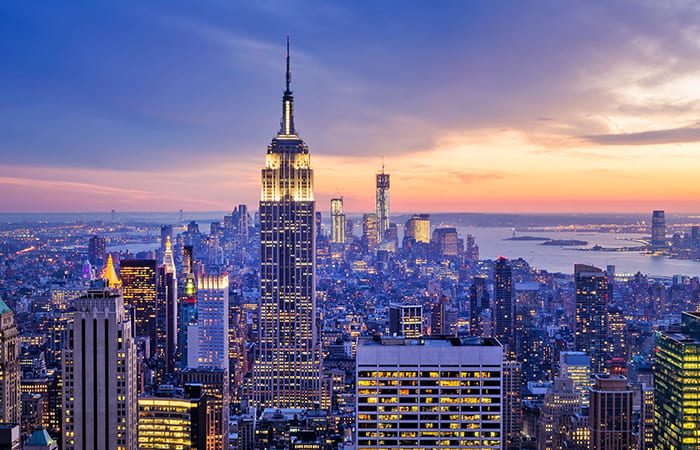
Today, it continues to stand proudly over Manhattan as one of New York City’s most iconic landmarks.
Why is the Empire State Building so important?
The Empire State Building was originally designed as a vast office complex, although it was also intended to claim the title of the tallest building in the world. For several years, it did exactly that.
The skyscraper has 102 floors and stands 381 metres tall, or 443 metres if you include its television antenna. It occupies a prime location at 350 Fifth Avenue in Midtown Manhattan, between 33rd and 34th Street.
Interestingly, the antenna that crowns the building today was never part of the original design.
Instead, the architects planned for the top of the building to serve as a mooring mast for airships, better known as Zeppelins. The idea reflected the excitement surrounding new technology during the late 1920s, although it ultimately proved impractical.
To understand how such an ambitious project came to life, though, we need to go back almost a decade before the building officially opened in 1931.
The Roaring Twenties and the dream of the Empire State Building
The Roaring Twenties was a period of extraordinary prosperity in the United States following the First World War. It was an era defined by economic growth, jazz music, changing social attitudes, women’s increasing independence and unprecedented wealth.
One man captured the spirit of this new America better than most: John J. Raskob.
A leading figure within the Democratic Party, Raskob built his fortune through his connections with the DuPont family and General Motors. Few people embodied the American Dream during the early twentieth century quite like him.
Raskob’s ambitious vision for New York quickly captured public attention. Together with New York Governor Al Smith, he developed plans to construct the tallest skyscraper in the world.
The Wall Street Crash
Only a few months after Raskob and Smith publicly announced their plans, the stock market crashed in October 1929.
Many expected such an ambitious project to be abandoned. Instead, Raskob and Smith pushed ahead. Their team of architects and contractors worked at remarkable speed, while the economic downturn actually reduced labour costs, making construction cheaper than originally expected.
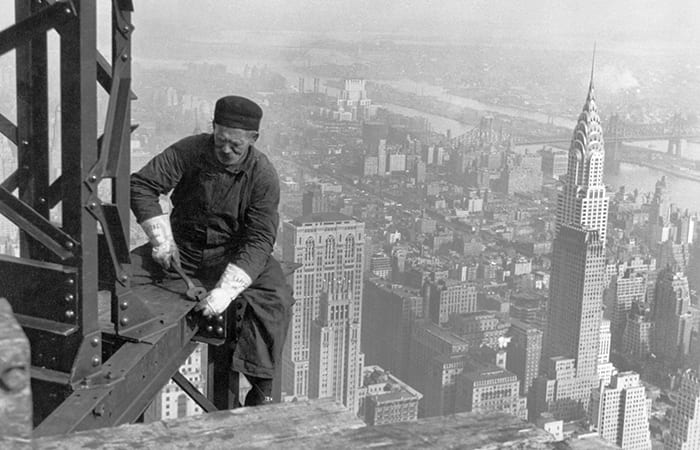
Building the skyscraper came at a terrible human cost. Five workers lost their lives during construction.
Despite these tragedies, work continued, and the Empire State Building was completed in time for its official opening in the spring of 1931.
Opening day and a new era
The Empire State Building officially opened in May 1931.
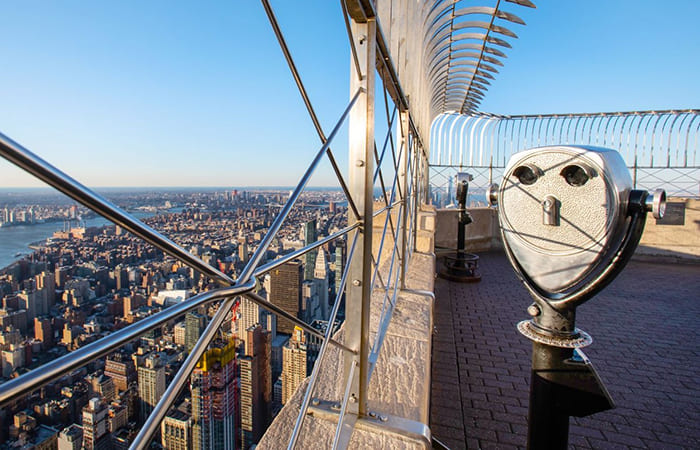
Newspaper reports described crowds gathering on the 86th-floor observation deck to admire the spectacular views across New York City. Many celebrated the building as the “Eighth Wonder of the World.”
It seemed to represent hope during an uncertain period in American history.
The years of the Great Depression
Despite its spectacular opening ceremony, everyday life inside the Empire State Building was much less glamorous.
The Great Depression meant that many businesses simply could not afford office space. Large sections of the building remained empty, even though it employed a sizeable staff, including its own medical team and a full-time fire brigade.
During the 1930s, the nickname “Empty State Building” became painfully accurate.
Although the building dominated the skyline, it struggled financially throughout its early years.
The Second World War
The outbreak of the Second World War transformed the building’s fortunes.
Military personnel, government departments and wartime relief organisations occupied much of the available office space, bringing new life to the skyscraper.
Yet tragedy struck on the morning of 28 July 1945.
A B-25 bomber flying through heavy fog crashed into the Empire State Building, killing 14 people and causing significant structural damage. Investigators believed the accident was caused by pilot error or mechanical failure, but the incident shocked both New Yorkers and the wider nation.
Remarkably, the building remained structurally sound despite the collision.
Post-war success and a new purpose
The decades following the Second World War marked a dramatic turning point.
By the late 1950s, demand for office space had risen sharply. More than 15,000 employees, working for around 500 different companies, occupied the Empire State Building, finally making it a profitable commercial success.
Part of this success came from the rapid growth of television broadcasting. The original airship mooring mast was replaced with the large broadcasting antenna that remains in place today.
NBC secured exclusive broadcasting rights from the Empire State Building as early as 1931. During the 1950s, rival television stations were forced to transmit from lower buildings across New York because they could not compete with NBC’s superior broadcasting position.
Although business flourished, the Empire State Building eventually lost its title as New York’s tallest building in 1972, when the North Tower of the World Trade Center was completed. It later dropped another place after Chicago’s Sears Tower became the world’s tallest building.
The Empire State Building today
Although taller skyscrapers have since transformed skylines around the world, the Empire State Building remains one of New York’s most popular attractions.
Following the terrorist attacks of 11 September 2001, the destruction of the Twin Towers briefly restored its status as New York City’s tallest building. That changed again in 2013 with the completion of One World Trade Center.
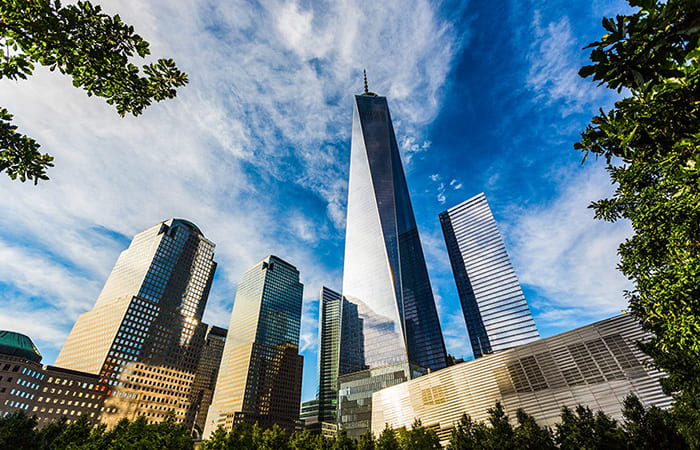
The building has also kept pace with modern technology. A major refurbishment project began in 2007, improving its environmental performance and modernising many of its facilities while carefully preserving its historic character.
Whether you’re visiting for the panoramic views or simply to admire one of the world’s most famous buildings, the Empire State Building deserves a place on every New York itinerary.