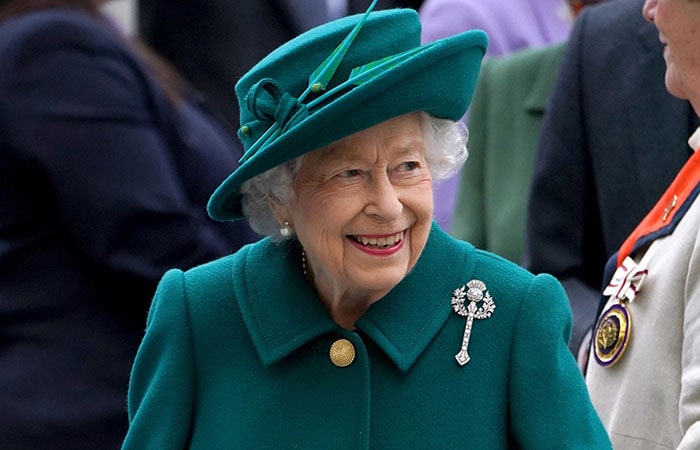
Queen Elizabeth II was the longest-reigning monarch in British history. In 2022, her Platinum Jubilee marked an extraordinary 70 years on the British throne.
The Platinum Jubilee celebrations in June 2022 paid tribute to seven decades of service and a reign that had spanned almost the entire post-war period.
From the Beatles to Brexit, and from the early years of television to the age of Zoom, Elizabeth II witnessed enormous cultural, political and technological change during her lifetime.
From the images of her Coronation in 1953 to her memorable televised address during the Covid-19 pandemic in 2020, the Queen was a constant presence in British public life for generations.
During her reign, she met an extraordinary number of world leaders and famous figures, from Nelson Mandela to Vladimir Putin. Yet it was also her countless meetings with members of the public, both in the UK and around the world, that became such a significant part of her role as monarch.
The life of Queen Elizabeth II
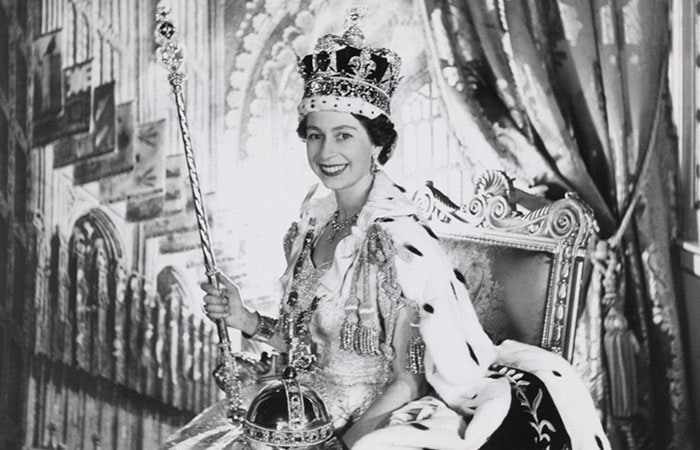
Elizabeth II became Queen of the United Kingdom of Great Britain and Northern Ireland on 6 February 1952 following the death of her father, King George VI. Her Coronation took place on 2 June 1953.
Although she remained closely associated with the traditions of the Crown throughout her reign, the monarchy also changed considerably during her 70 years as Queen.
Queen Elizabeth II’s early years
Princess Elizabeth Alexandra Mary was born in London on 21 April 1926 to Prince Albert, Duke of York, who later became King George VI, and Elizabeth Bowes-Lyon.
Known affectionately as Lilibet within her family, the young princess grew up enjoying the privileges of royal life without initially expecting that she would one day become Queen.
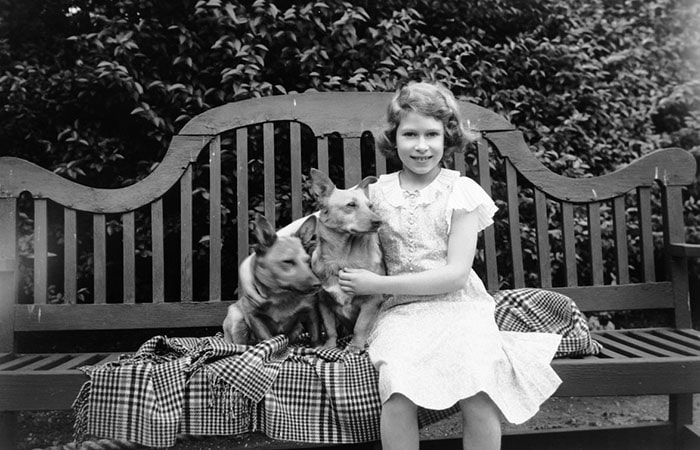
When the Second World War began in 1939, Elizabeth and her younger sister, Princess Margaret, remained in Britain. From 1940, the two princesses spent much of the war at Windsor Castle.
It was from Windsor that the 14-year-old Elizabeth made her first public radio broadcast in October 1940. Speaking during the BBC’s Children’s Hour, she addressed children in Britain and across the Commonwealth, including those who had been evacuated from their homes because of the war.
As she grew older, Elizabeth began taking on more public duties and accompanying her parents on official engagements.
In 1945, aged 18, she joined the Auxiliary Territorial Service, or ATS. She trained as a driver and mechanic and became the first female member of the Royal Family to serve as a full-time active member of the Armed Services.
Elizabeth’s accession to the throne
Elizabeth was not originally expected to become Queen.
When her grandfather, George V, died in 1936, the throne passed to his eldest son, Edward VIII, Elizabeth’s uncle.
Edward wanted to marry the American divorcée Wallis Simpson, a decision which ultimately led to his abdication in December 1936.
The Crown then passed to Elizabeth’s father, who became King George VI. This suddenly made the ten-year-old Princess Elizabeth heir presumptive to the throne.
King George VI died on 6 February 1952 while Elizabeth was in Kenya. At just 25 years old, she became Queen Elizabeth II.
Her Coronation took place at Westminster Abbey on 2 June 1953. At the Queen’s request, it became the first British coronation to be televised, allowing millions of people to watch the ceremony.
Around 27 million people in Britain watched the Coronation on television, while another 11 million listened on the radio.
The reign of Queen Elizabeth II
Before becoming Queen, Elizabeth married Philip Mountbatten, later Prince Philip, Duke of Edinburgh, at Westminster Abbey in 1947.
Their marriage lasted for more than 73 years, until Prince Philip’s death at Windsor Castle on 9 April 2021 at the age of 99.
Elizabeth’s long reign coincided with enormous changes in British society, the country’s international influence and the way the monarchy itself was viewed and represented.
As a constitutional monarch, the Queen remained politically neutral and did not publicly reveal her political opinions. However, she held regular private audiences with the prime ministers who served during her reign.
The Queen did not attend a conventional school or university. Instead, she was educated privately at home.
As she grew older, her studies included constitutional history and law, alongside subjects such as languages and music. Her education was designed in part to prepare her for the responsibilities she was increasingly likely to assume as a senior member of the Royal Family and future monarch.
When Elizabeth became Queen, Britain still had significant overseas territories and the legacy of the British Empire remained an important part of its international position.
During the 1950s and 1960s, many former colonies gained independence. Over the course of Elizabeth’s reign, the Commonwealth of Nations also changed significantly, growing from seven member countries at the beginning of her reign to 56 by the time of her death.
Elizabeth travelled extensively throughout her reign, visiting more than 100 countries as monarch and making more than 200 visits to Commonwealth countries.
These overseas visits became an important part of her work as Head of State and Head of the Commonwealth.
In 2011, the Queen became the first British monarch to make a state visit to the Republic of Ireland. It was also the first visit by a reigning British monarch to the territory that is now the Republic of Ireland since King George V visited in 1911, when the whole island was still part of the United Kingdom
The monarchy also became more accessible during Elizabeth’s reign. Royal residences such as Buckingham Palace became more accessible to visitors, while television and later digital media gave the public far greater access to royal events than previous generations had experienced.
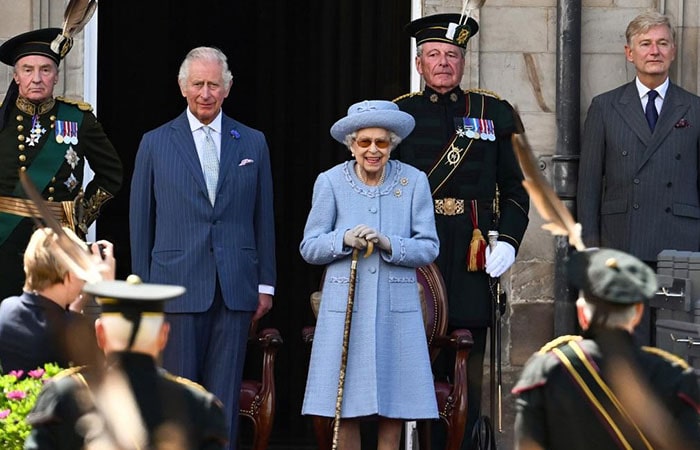
Despite occasional speculation that she might abdicate in favour of her eldest son, Charles, Elizabeth continued carrying out royal duties well into her nineties.
In 2017, however, there was another visible sign of responsibilities gradually passing to the next generation.
On Remembrance Sunday that November, the then Prince Charles laid the monarch’s wreath at the Cenotaph on the Queen’s behalf while she watched the ceremony from a nearby balcony.
Royal controversies during Elizabeth II’s reign
Queen Elizabeth II’s reign encompassed major events around the world, but the Royal Family itself also experienced periods of intense public and media scrutiny.
One of the most prominent surrounded the marriage of Charles and Diana, then Prince and Princess of Wales.
Their troubled marriage and extramarital relationships received extensive media coverage before the couple formally separated in 1992. Their divorce was finalised in 1996.
Following Diana’s death in a car crash in Paris on 31 August 1997, the Queen faced intense public scrutiny.
Diana had become an enormously popular public figure, and the Royal Family was criticised for what some people perceived as an initially restrained response to her death. The Queen later addressed the nation in a televised broadcast ahead of Diana’s funeral.
The relationship between Charles and Camilla Parker Bowles also attracted considerable attention over the years.
When Charles and Camilla married in 2005, the Queen and Prince Philip did not attend the civil ceremony at Windsor Guildhall. They did, however, attend the service of prayer and dedication at St George’s Chapel and hosted a reception for the couple at Windsor Castle.
Another of the Queen’s children, Prince Andrew, also attracted significant tabloid attention during the breakdown of his marriage to Sarah Ferguson in the 1990s. The couple separated in 1992 and divorced in 1996.
In 2017, the Queen’s finances came under scrutiny following reporting connected with the Paradise Papers.
The Duchy of Lancaster, which manages a portfolio of assets held in trust for the sovereign, had investments in funds based in overseas jurisdictions. The Duchy said that its investments were legitimate and that the Queen had no direct involvement in investment decisions.
Prince Andrew later became the focus of a far more serious controversy because of his association with convicted sex offender Jeffrey Epstein.
Following intense scrutiny after a BBC Newsnight interview in November 2019, Andrew announced that he would step back from public duties for the foreseeable future.
Just weeks later, in January 2020, the Royal Family faced another major change when the Duke and Duchess of Sussex, Prince Harry and Meghan, announced their intention to step back as senior working members of the Royal Family.
The couple subsequently stopped carrying out duties as working members of the Royal Family and moved to North America.
Elizabeth II, Britain’s longest-reigning monarch
The later decades of Elizabeth’s life included several major personal losses.
In 2002, both her younger sister, Princess Margaret, and her mother, Queen Elizabeth The Queen Mother, died within weeks of one another. The same year marked the Queen’s Golden Jubilee, celebrating 50 years on the throne.
In April 2021, she lost her husband, Prince Philip, after more than 73 years of marriage. He was 99 years old.
The following year brought one of the greatest milestones of Elizabeth’s reign.
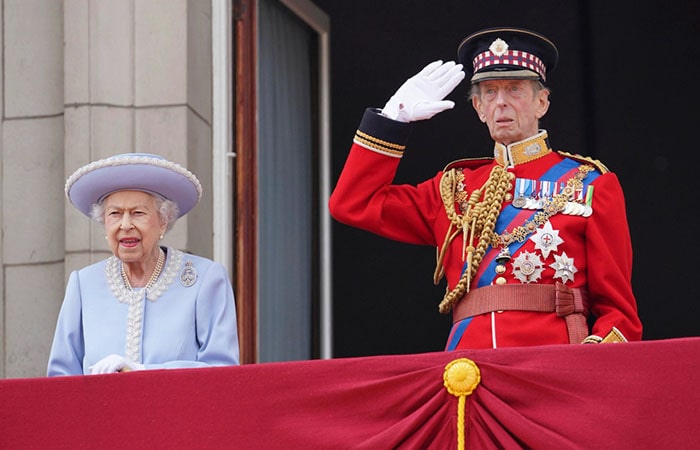
On 6 February 2022, she became the first British monarch to reach a Platinum Jubilee, marking exactly 70 years since her accession to the throne. Major celebrations were held across the UK and Commonwealth, with the main Platinum Jubilee weekend taking place from 2 to 5 June.
Queen Elizabeth II died at Balmoral Castle in Scotland on 8 September 2022, aged 96.
Her death brought her 70-year reign to an end and her eldest son immediately succeeded her as King Charles III.
Elizabeth II remains the longest-reigning monarch in British history, having surpassed Queen Victoria’s record in September 2015. She was also the first British monarch to celebrate a Platinum Jubilee.
From the aftermath of the Second World War to the digital age, her reign covered a period of extraordinary change in Britain and around the world.
For millions of people, Elizabeth II had been Britain’s monarch for their entire lives. Her seven decades on the throne made her one of the most recognisable figures in modern British history.