Malta may be a very small nation, but it offers far more than you might expect. Its three main islands bring together history and sea, creating a setting where every place feels worth exploring. So, if you are wondering what to see in Malta during your next trip or holiday, you are in the right place!
Malta is made up of a group of islands, the three main ones being Malta, Gozo and Comino. It is genuinely compact. You can drive from one end of the main island to the other in just over an hour. Yet despite its size, Malta has played a significant role in history. Archaeological remains dating back over 5,000 years can be found here, among the oldest surviving on earth.
Over the centuries, the islands have seen many different rulers. Medieval knights passed through, Malta became a British colony, it played a key role in both World Wars, and today it is a member of the European Union.
So, what should you see in Malta? A great place to begin is with its many historical landmarks.
What to see in Malta
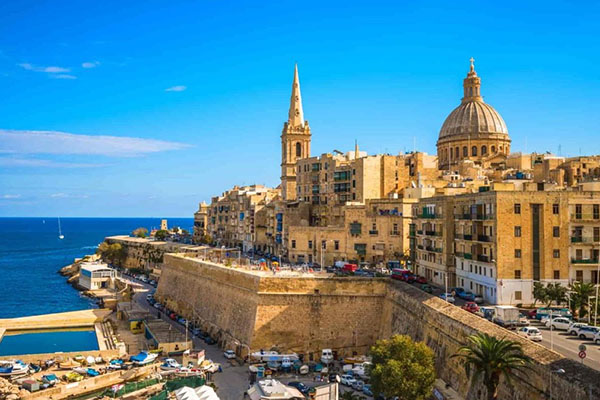
Valletta, the capital, is the smallest capital city in Europe by area, and the entire country has a population of around 450,000. Other key towns include Sliema, St Julian’s, where most of the nightlife is concentrated, Bugibba, and Victoria, the capital of Gozo.
If you are looking for sunshine, Malta is hard to beat. The island enjoys around 300 days of sun a year, making it a reliable choice for a warm, bright escape.
The pace of life is noticeably relaxed. People come here to slow down, enjoy their surroundings, and take a break from the usual rush of everyday life.
Food is another highlight. Thanks to its position in the Mediterranean, fresh fish is widely available and well worth trying.
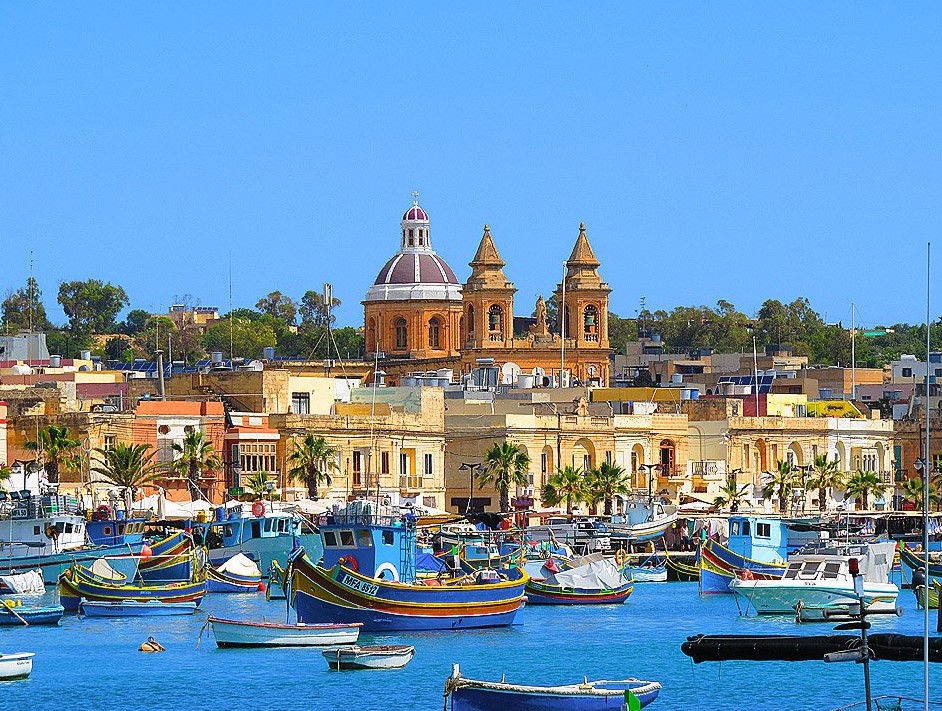
To experience traditional fishing culture, visit Marsaxlokk, a charming fishing village known for its colourful boats and seafront lined with seafood restaurants. Every Sunday, the village hosts an open-air fish market where you can buy the morning’s catch or sit down and enjoy it freshly prepared.
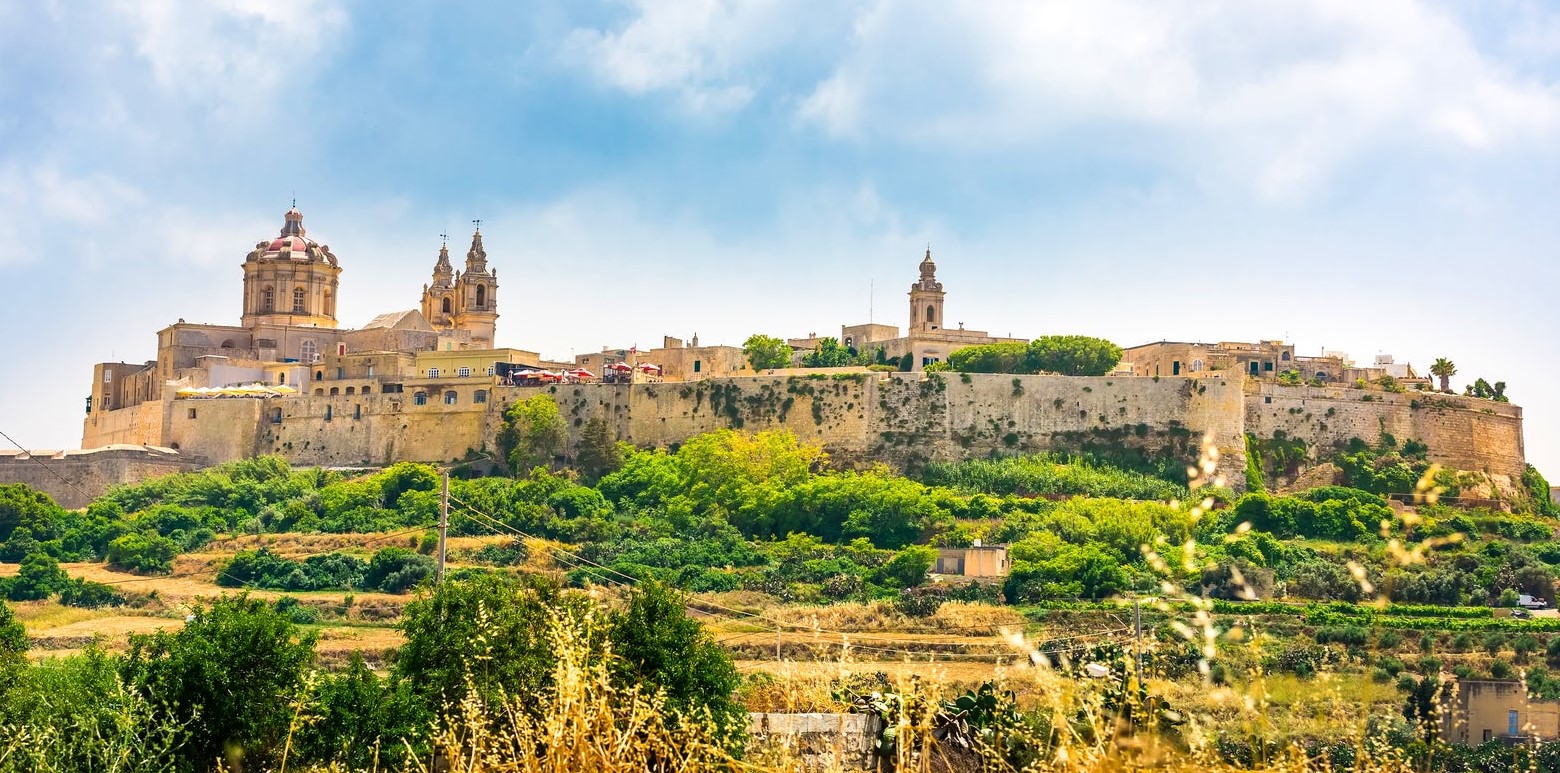
Mdina, the ancient capital, has over 4,000 years of history and is known as the “Silent City”. Access for cars is heavily restricted, limited mostly to its ~300 residents. This gives the town a calm atmosphere as you walk through cobbled streets, past historic buildings, churches, and small local shops, all set against sweeping views across the island.
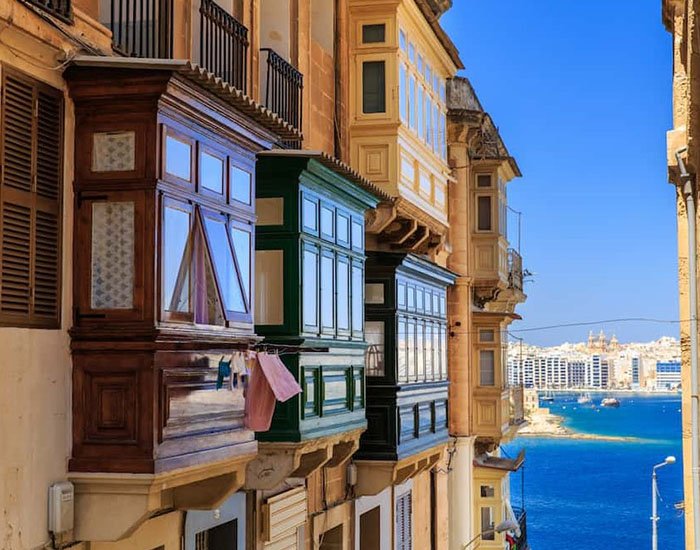
Valletta itself is a UNESCO World Heritage Site. Its waterfront is particularly striking at sunset, and the Upper Barrakka Gardens offer free access to beautifully landscaped spaces overlooking the Grand Harbour.
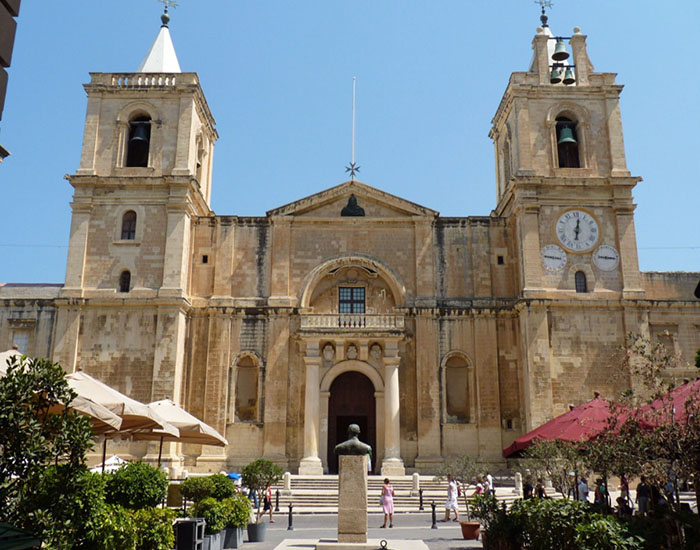
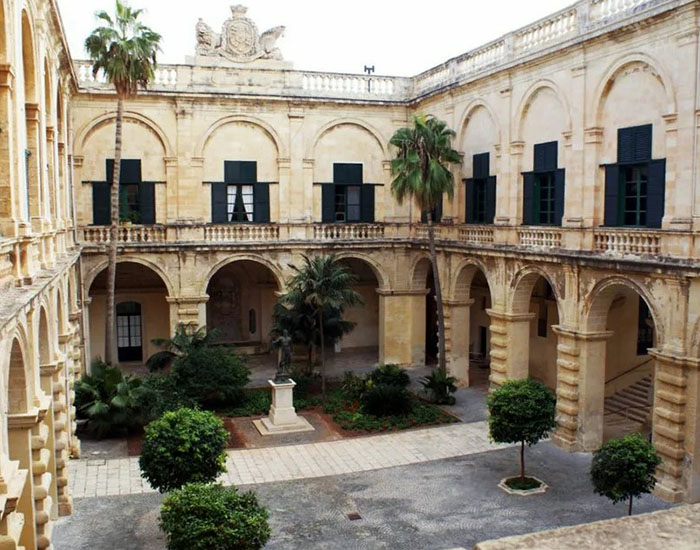
As you walk through the city, you will come across impressive architecture at every turn, creating a setting that often feels almost cinematic. Highlights include the Grand Master’s Palace, still used for state events, St John’s Co-Cathedral, and the Upper Barrakka Gardens, where a ceremonial cannon salute takes place daily at noon.
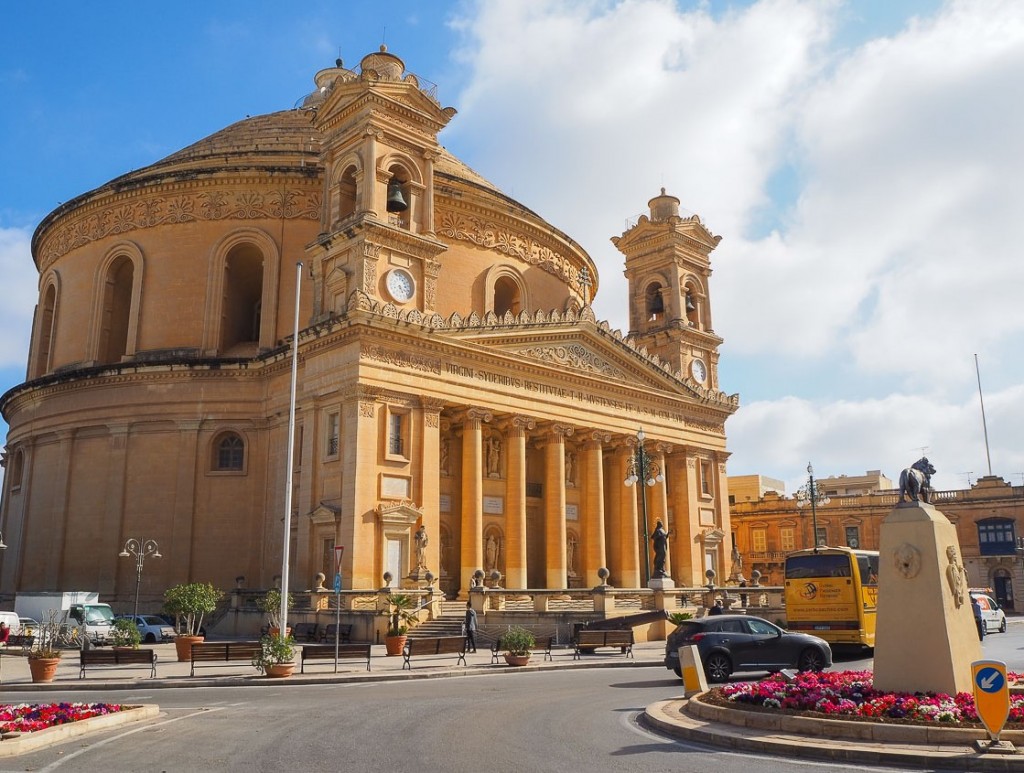
In Mosta, you will find the church dedicated to the Assumption of Mary, famous for its enormous dome and for a World War II bomb that fell through the roof but never exploded. The dome is considered one of the largest in the world.
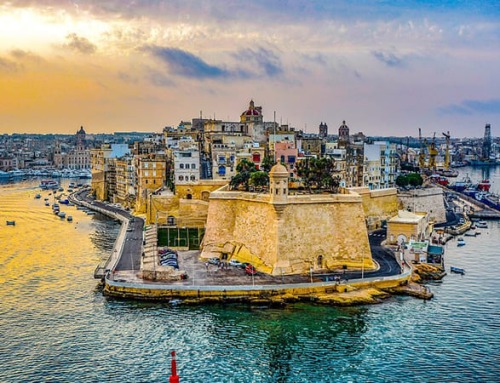
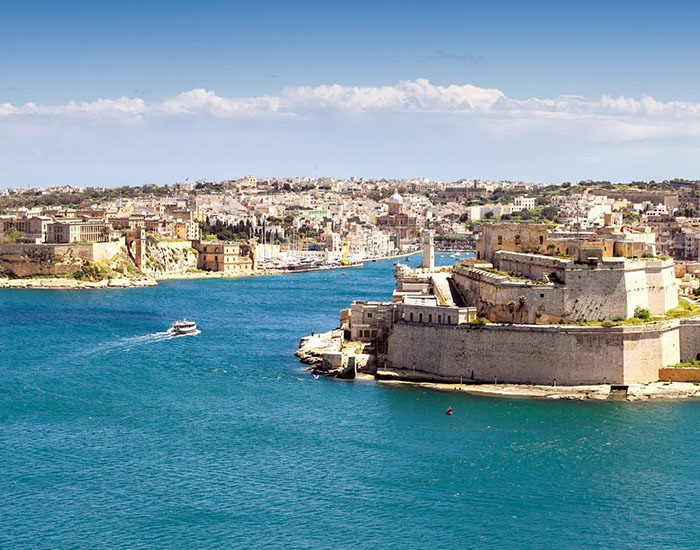
Another step back in time can be found in the Three Cities of Cottonera: Vittoriosa, Senglea and Cospicua. These fortified towns extend into the Grand Harbour and have been in use since Phoenician times.
Today, their marinas are filled with yachts and surrounded by picturesque buildings. You can explore them by boat, on a self-guided tour using small electric vehicles, or even on a vintage bus.
For something different, there is Popeye Village, originally built as the set for the 1980 musical film Popeye. It may look like a collection of rustic buildings, but it has since been turned into a lively attraction for visitors of all ages.
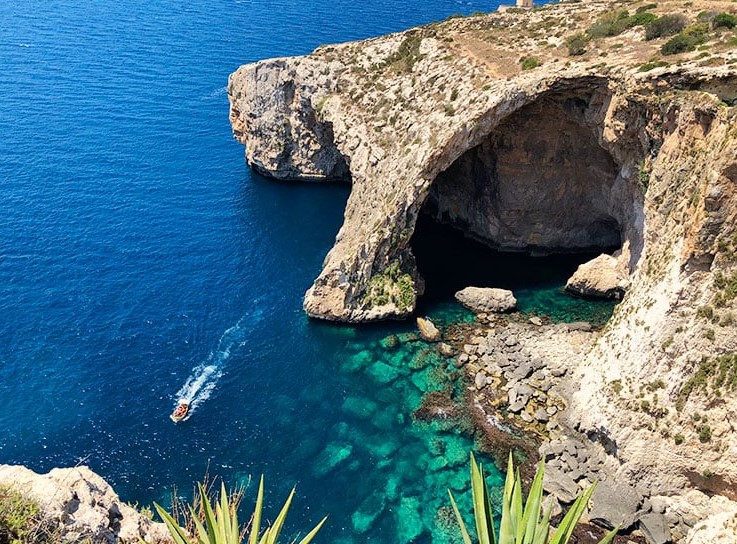
If you enjoy coastal scenery, the Blue Grotto is one of the most striking natural spots in Malta. This network of sea caves, formed over thousands of years, is located on the southern coast. You can reach it by boat or admire it from above by car or bus.
What to see in Malta: Gozo and Comino
Beyond the main island, Gozo and Comino are well worth visiting.
Even after the collapse of the Azure Window in March 2017, Gozo remains full of natural beauty. Near where the famous arch once stood, you can still swim in the Blue Hole, a natural pool with vivid turquoise water.
On Gozo, near the village of Għarb, you will find Ta’ Pinu, one of the island’s most important basilicas. Its setting, surrounded by open countryside, gives it a particularly striking atmosphere. It is also known for stories of reported miracles, which add to its significance.
The Rotunda of Xewkija is another impressive church, featuring one of the largest domes in the world and standing in one of Gozo’s oldest towns.
A trip to Malta would not feel complete without seeing the Blue Lagoon on Comino. This natural “pool” of clear, aquamarine water is one of the most photographed spots in the country. Comino itself is tiny, just four square kilometres, with no cars and very few residents, making it a peaceful escape.
Malta is also popular with schools organising language trips, as well as young people choosing it for summer study holidays. July, in particular, is known for its lively nightlife.
Where to stay in Malta
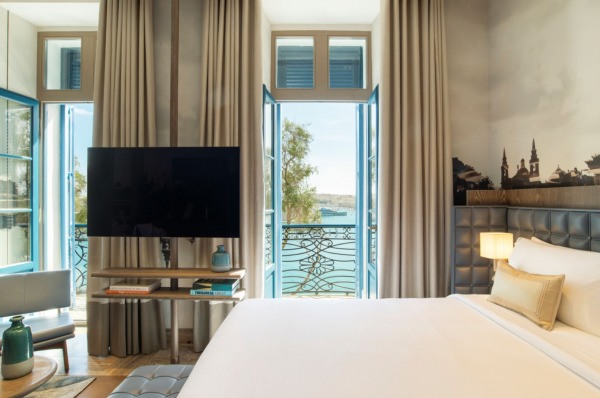
If you are looking for something high-end, Iniala Harbour House in Valletta offers one of the most refined hotel experiences on the island. Overlooking the Grand Harbour and the Three Cities, it is spread across four historic buildings dating back to the seventeenth century.
The interiors contrast with the traditional stone exterior, featuring a mix of bespoke furniture and contemporary art. Many pieces are custom-designed, and the spaces feel both modern and distinctive.
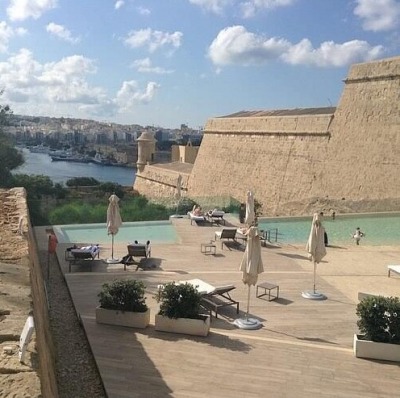
The hotel includes a well-equipped fitness area and an underground spa, alongside access to a panoramic outdoor pool at the nearby Phoenicia Malta. Its 23 rooms and suites vary in style but all focus on comfort and detail, with standout bathrooms and thoughtful design features.
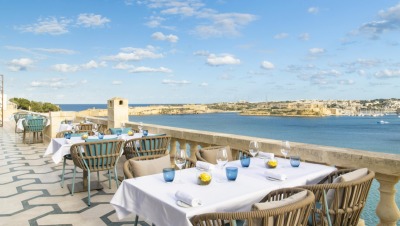
Its restaurant, led by chef Alex Dilling, earned a Michelin star within six months of opening.
Other luxury options in Malta include:
- Corinthia Hotel St George’s Bay, set on a scenic bay with direct sea access
- The Westin Dragonara Resort in St Julian’s, known for its views and private beach
- Hilton Malta, offering spacious rooms, pools, and a spa
- Kempinski Hotel San Lawrenz on Gozo, surrounded by countryside
- Radisson Blu Resort & Spa, Golden Sands, located by one of Malta’s best beaches
Each offers a different experience, but all provide high standards and convenient locations for exploring the islands.
Maltese cuisine
Maltese cuisine reflects a mix of Mediterranean influences shaped by the island’s history. Here are some of the most well-known dishes:
- Pastizzi: flaky pastries filled with ricotta or peas
- Lampuki pie: a fish pie made with seasonal lampuka
- Fenkata: traditional rabbit dishes, often cooked with wine and herbs
- Bragioli: beef olives stuffed with egg, bacon, and herbs
- Timpana: baked pasta with meat, eggs, and tomato sauce
- Aljotta: fish soup with garlic and herbs
- Soppa tal-Armla: vegetable soup known as “widow’s soup”
- Ross il-forn: baked rice with meat and eggs
- Bigilla: a bean-based spread served with bread
- Kannoli: sweet pastries filled with ricotta or almond paste
Trying local food is one of the easiest ways to experience Malta’s culture.
What to see in Malta: megalithic sites
Malta’s megalithic temples are among its most important attractions. These sites, over 5,000 years old, are some of the oldest free-standing structures in the world and are recognised by UNESCO.
They offer insight into prehistoric life on the islands, including burial practices, religious beliefs, and early architectural techniques. Notable sites include Ħaġar Qim, Mnajdra, and Tarxien, all known for their scale and detailed stonework.
Their age and complexity continue to raise questions, making them both historically significant and fascinating to explore. Many are set in scenic locations, adding to the overall experience.
The National Museum of Archaeology in Valletta
The National Museum of Archaeology, located in Valletta, provides a detailed look at Malta’s past. It is housed in a sixteenth-century building on Republic Street, close to St John’s Co-Cathedral.
Inside, you will find artefacts from prehistoric times through to later civilisations, including Phoenician, Roman and medieval periods. Among the most well-known exhibits are prehistoric figurines from the Ħal Saflieni Hypogeum and the so-called “Sleeping Lady”, often associated with Malta’s ancient culture.
The museum offers a clear overview of how the island has developed over thousands of years, making it a worthwhile stop if you want a deeper understanding of Malta beyond its landscapes and coastline.
If you are planning a study trip, Malta offers a rare mix of history, sea, and culture in a compact space. Whether you are drawn to ancient sites, coastal views, or relaxed island life, there is plenty here to fill your time.