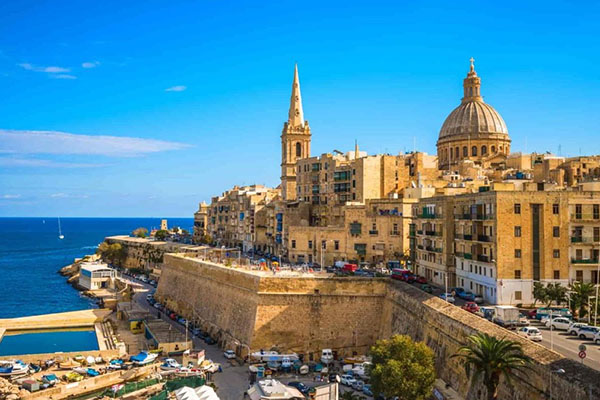

If you are searching for facts about Malta, you are probably expecting a few quick trivia points. Yet Malta is far more than a list of curiosities!
These facts about Malta will show you that though it is a small Mediterranean nation, just fourteen kilometres wide and twenty seven kilometres long, the country holds layers of history, myth, faith and tradition that stretch back thousands of years:
Contents
Malta is not just one island
One of the most surprising facts about Malta is that it is not a single island. It is an archipelago made up of more than fifteen islands, although only Malta and Gozo are permanently inhabited.
Comino, St Paul’s Islands and Filfla are also part of the country. Filfla is now a protected nature reserve.
Valletta is one of Europe’s smallest capitals
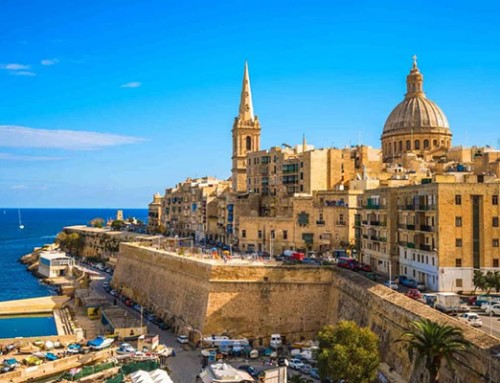
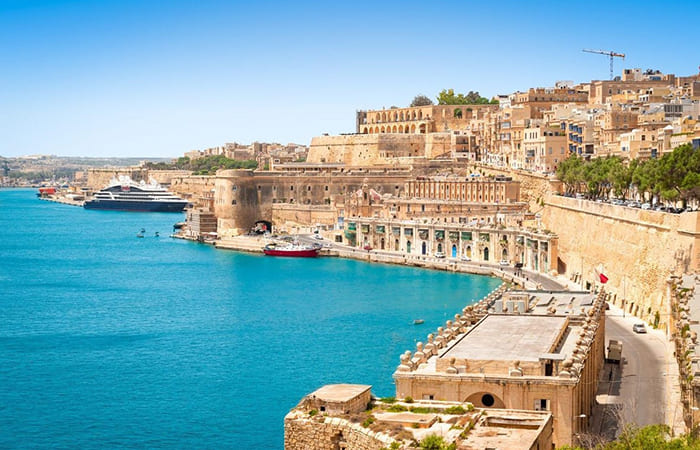
Among the most striking facts about Malta is the size of its capital. Valletta covers less than one square kilometre, making it the smallest capital city in the European Union.
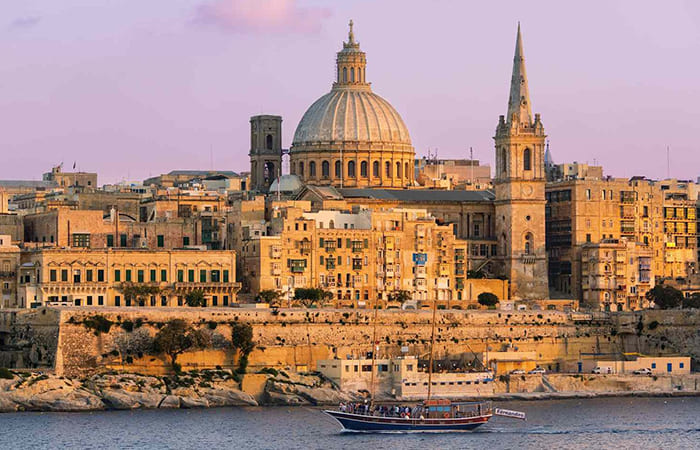
Despite this, it is packed with Baroque buildings, fortified walls and grand palaces. Built after the Great Siege of 1565, Valletta reflects Malta’s strategic importance in the Mediterranean.
Mdina was the original capital
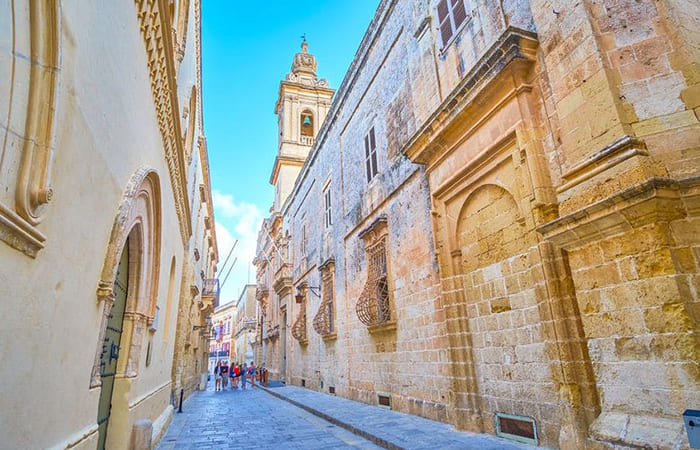
Another important entry in any list of facts about Malta concerns Mdina. Before Valletta, Mdina served as the capital due to its elevated and defensible position.
Constructed during Arab rule, Mdina was a fortified city. The word medinah in Arabic means “walled city”. This detail highlights the Arab influence on Maltese culture and language, something many visitors do not initially expect.
The name Malta has a sweet origin
One of the more unusual Malta facts relates to its name. The word Malta derives from the Greek Μελίτη, meaning “sweet”.
The name likely refers to the abundance of bees and honey production in ancient times. Even today, honey remains part of local tradition, especially on Gozo.
There was once a tower every 200 metres
When exploring historical facts about Malta, its fortifications stand out. Because of its central location in the Mediterranean, Malta was frequently targeted by invaders.
Defensive towers were built along the coastline, sometimes spaced roughly every 200 metres. Many no longer survive, yet those that remain illustrate Malta’s long history of vigilance.
Malta has more than 350 churches
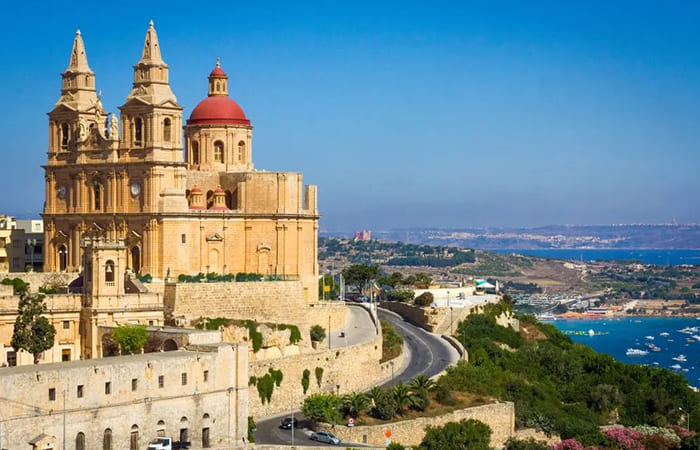
Among the most remarkable facts about Malta is the sheer number of churches. Across Malta and Gozo, there are 359 churches, with at least one in every village.
This reflects the country’s strong Catholic heritage and the influence of the Knights of St John. Religion has shaped architecture, community life and even the annual calendar of festas.
The miracle of the Mosta Dome
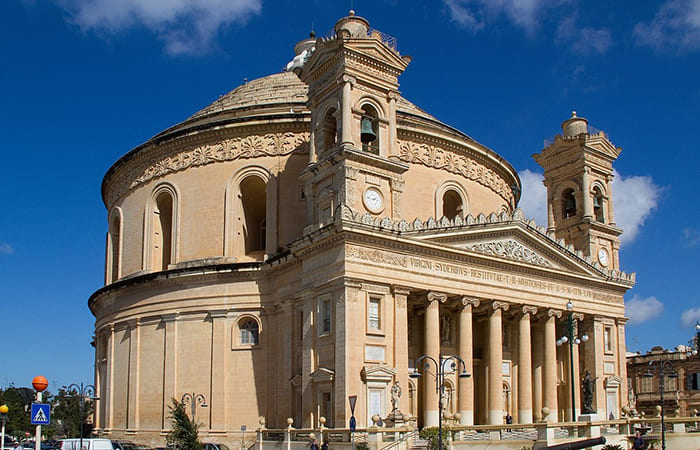
One of the most discussed historical Malta facts concerns the Rotunda of Mosta. During the Second World War, a bomb pierced the church’s dome but did not explode.
A replica of the bomb remains inside the church today. For many locals, this event symbolises faith and wartime resilience.
Caravaggio’s only signed painting is in Malta
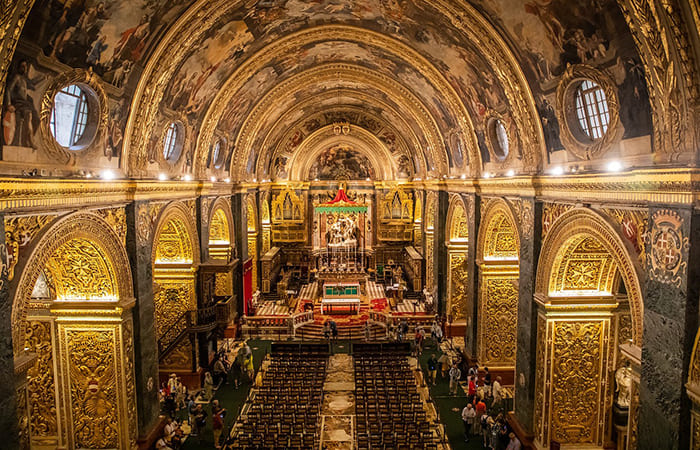
Art lovers often search for interesting facts about Malta and discover that Caravaggio’s only signed painting, The Beheading of Saint John the Baptist, is housed in St John’s Co-Cathedral in Valletta.
Completed in 1608, the painting earned the artist the Cross of the Order of Malta. This detail reinforces Malta’s unexpected role in European art history.
Malta may once have been connected to Sicily
Geological studies suggest that thousands of years ago Malta and Sicily may have formed a single landmass. The connecting strip would now lie about 100 metres below sea level.
Church clocks designed to confuse spirits
Some of the more curious facts about Malta involve local superstition. Many churches display two clocks, yet only one shows the correct time.
The second clock deliberately shows the wrong hour. According to tradition, this was meant to confuse evil spirits and prevent them from disturbing religious ceremonies.
Traditional boats carry protective symbols
The traditional Maltese fishing boat, the luzzu, is painted in bright colours and decorated with stylised eyes on the bow.
Often referred to as the Eye of Osiris, the symbol is believed to protect fishermen at sea. This detail is one of the most visually recognisable and culturally symbolic facts about Malta.
Calypso’s cave is said to be in Gozo
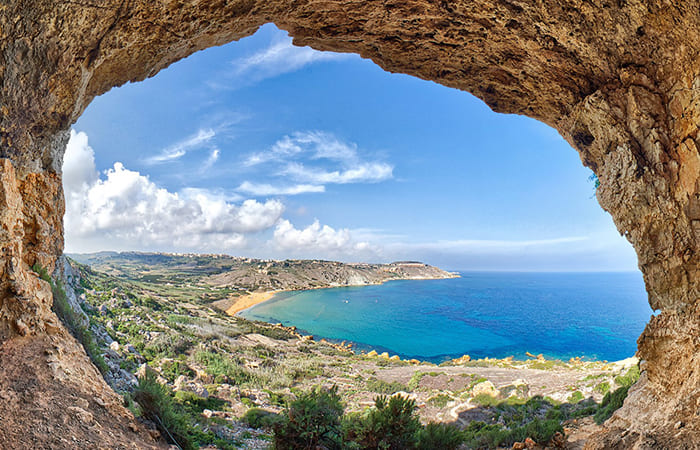
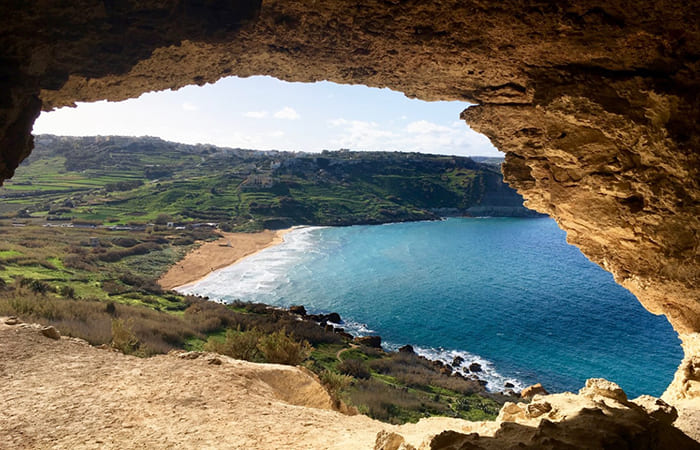
According to legend, the cave of the nymph Calypso from Homer’s Odyssey is located near Ramla Bay in Gozo.
While the link is mythological rather than historical, it demonstrates how storytelling is woven into the landscape itself.
Malta is a popular filming location
Malta’s film industry deserves a spot on this list. Productions such as Game of Thrones, World War Z and Gladiator have used Maltese locations.
Historic streets, fortified walls and dramatic coastlines make Malta a natural backdrop for storytelling.
Divorce was only legalised in 2011
Divorce only became legal in 2011. A national referendum led to legislative change, marking a significant social shift in this traditionally Catholic country.
People drive on the left
Due to British rule, Malta drives on the left, just like the United Kingdom. English is also an official language alongside Maltese.
This is probably one of the facts that visitors quickly notice after leaving the airport!
“Mela” does not mean apple
In Maltese conversation, the word “mela” is commonly heard. It does not mean apple. Instead, it functions as a conversational filler similar to “so” or “then”.
Cisk beer has an unusual origin
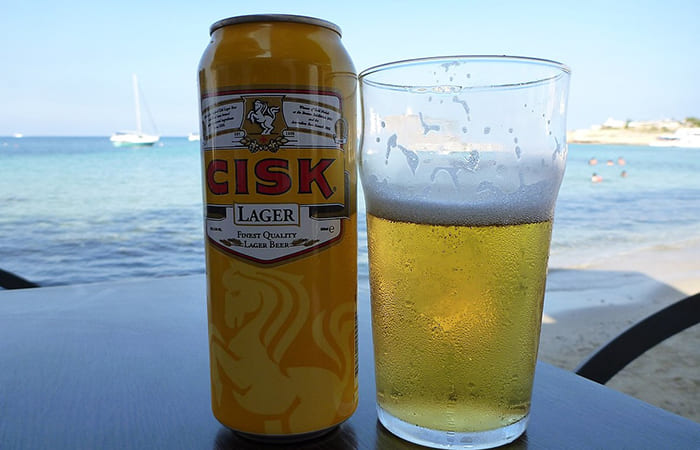
Cisk is the most famous Maltese beer. The name comes from the founder’s nickname, which originated from his previous career as a banker.
Pastizzi are traditionally savoury
Pastizzi are flaky pastries usually filled with ricotta or mushy peas. While sweet versions exist, the classic pastizz is savoury.
Food is an important part of understanding the culture of Malta, reflecting both Mediterranean and British culinary influence.
Popeye Village still exists
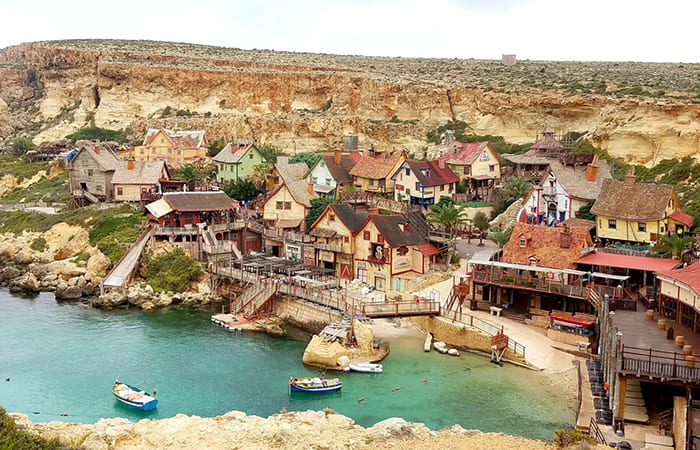
Popeye Village was built as the film set for the 1980 musical film Popeye. Instead of dismantling it, the set was preserved and turned into a tourist attraction.
Fireworks are part of national identity
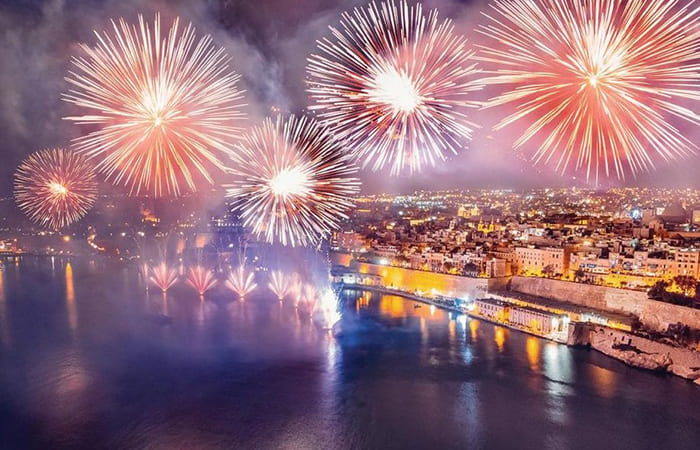
Fireworks are deeply embedded in Maltese culture, especially during summer festas. Displays are frequent and often dramatic.
Malta even hosts an international fireworks festival, reflecting a strong communal spirit and love of celebration!
If you enjoyed these facts about Malta:
Then we recommend experiencing everything you’ve just learned about Malta in real life! Discover our summer programmes for young people in Malta and see how history and culture come together in one extraordinary destination.