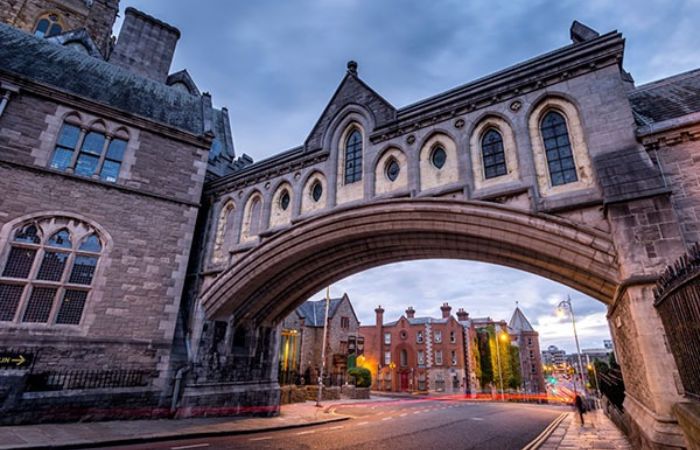
Trying to find things to see in Dublin? Well, although the city might be famous for Guinness and Jameson Irish Whiskey, there’s so much more to the Irish capital than its traditional pubs and drinking culture. With centuries of history, fascinating museums, beautiful architecture and a thriving cultural scene, Dublin has plenty to offer visitors.
So, what is Dublin best known for? Beer, whiskey and the attractions associated with them are probably the first things that come to mind. However, the capital of the Republic of Ireland has far more to offer, with a fascinating history that has shaped its distinctive character.
Located on the east coast of Ireland, where the River Liffey meets the Irish Sea, Dublin is a relatively compact city. The river runs through the centre, dividing it into north and south, while its historic streets bring together centuries of Irish culture, art and architecture.
One of the best things about visiting Dublin is how easy it is to get around. The city centre is relatively flat, and many of its main attractions are within walking distance of one another. You can also explore by bicycle, as many locals do, giving you the opportunity to discover some of Dublin’s quieter streets along the way.
Alternatively, Dublin has a well-established public transport network. Buses serve the city and surrounding areas, while the Luas tram system and DART railway make it easier to travel further afield, including to some of the beautiful coastal towns nearby.
What to see in Dublin
National Gallery of Ireland
If you enjoy art, the National Gallery of Ireland is an excellent place to begin your visit. Located in the heart of Dublin, it houses one of the country’s most important collections of Irish and European art.
Founded in 1854, the gallery has grown into a major cultural institution, with more than 16,000 works of art spanning several centuries. Admission to the permanent collection is free, making it a particularly good attraction to visit during your time in Dublin.
The collection covers Western European art from the Middle Ages to the present day, with works by some of the most celebrated artists in history.
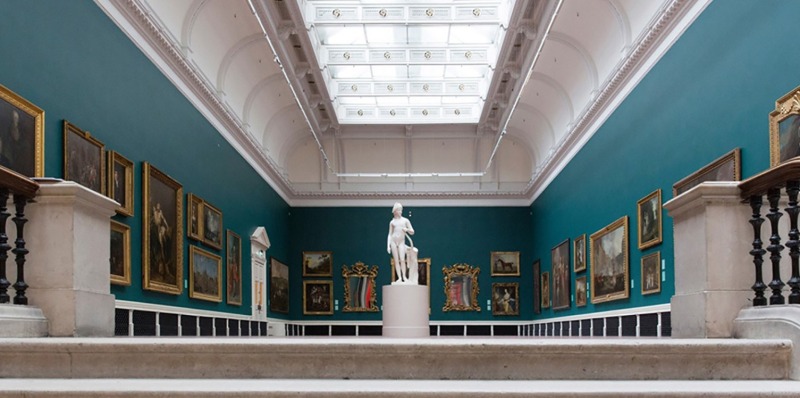
Among its collections, you’ll find:
-
Irish art: Works by important Irish artists, including Jack B. Yeats, William Orpen and John Lavery.
-
European art: Paintings by artists such as Rembrandt, Caravaggio, Monet and Picasso.
-
British art: Works by renowned painters including Thomas Gainsborough, Joshua Reynolds and John Constable.
One of the gallery’s best-known paintings is Caravaggio’s The Taking of Christ, which depicts the arrest of Jesus. Rediscovered in Dublin in the 1990s, it is now considered one of the highlights of the collection.
Other notable works include The Marriage of Strongbow and Aoife by Daniel Maclise and Lady Writing a Letter with Her Maid by Johannes Vermeer.
The National Gallery also hosts temporary exhibitions, educational workshops and special events throughout the year. Whether you’re particularly interested in art or simply curious about Ireland’s cultural history, there’s plenty to discover.
Before visiting, it’s worth checking the gallery’s website for information about current exhibitions and opening times. The permanent collection is generally free to visit, although some temporary exhibitions require tickets.
You can also take part in a gallery tour to learn more about the paintings and the artists behind them.
National Museum of Ireland
Another excellent free attraction is the National Museum of Ireland. Its collections offer a fascinating introduction to Ireland’s history, from prehistoric settlements and early Christian civilisation to traditional rural life and decorative arts.
The museum was established in the nineteenth century and is divided into four main branches, each focusing on a different aspect of Irish history and heritage.
Archaeology
The Archaeology branch, located on Kildare Street in Dublin, contains some of Ireland’s most significant archaeological discoveries, with objects dating from prehistoric times through to the Middle Ages.
One of its most famous exhibits is the Tara Brooch, an intricately decorated eighth-century brooch and one of the finest surviving examples of early medieval Irish metalwork.
You can also see objects from the Broighter Hoard, a remarkable collection of Iron Age gold artefacts discovered in County Londonderry in 1896
Decorative Arts & History
Located at Collins Barracks, this branch explores Irish history through furniture, clothing, ceramics, silverware, military objects and other decorative arts.
Its collections cover several centuries, providing an insight into changing lifestyles, craftsmanship and Ireland’s political and military history.
Collins Barracks itself is also historically significant. Originally constructed in the early eighteenth century, it served as a military barracks for almost 300 years before becoming part of the National Museum.
Country Life
The Museum of Country Life is located at Turlough Park in County Mayo, rather than Dublin.
It focuses on traditional Irish rural life, particularly between the nineteenth and twentieth centuries. Its collections include agricultural equipment, household objects, traditional crafts and examples of clothing worn by rural communities.
Through these objects, you can discover how people lived and worked in the Irish countryside before modern technology transformed everyday life.
Natural History
The Natural History branch is traditionally housed in a Victorian museum building on Merrion Street in Dublin, affectionately known as the Dead Zoo.
Its collections contain thousands of zoological specimens, including mammals, birds, insects and skeletons from Ireland and around the world.
One of its most recognisable exhibits is the skeleton of the extinct giant deer, often called the Irish elk. Despite its name, this enormous prehistoric animal was not an elk and disappeared thousands of years ago.
The Merrion Street building is currently closed for major refurbishment, so you should check the museum’s official website for information about access to its collections.
Across its branches, the National Museum regularly organises exhibitions, educational activities and events. General admission is free, although opening arrangements vary by location.
If you’re planning a visit, allow plenty of time to explore. Each branch covers a different subject, and you could easily spend several hours discovering its collections.
Hugh Lane Gallery
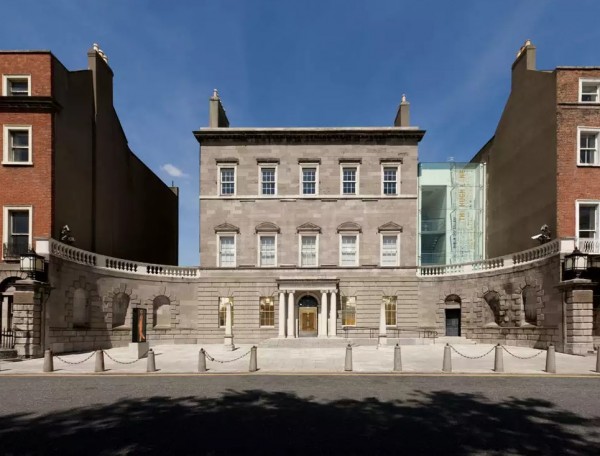
The Hugh Lane Gallery is regarded as one of the world’s earliest public galleries dedicated to modern art.
Founded in 1908, it has an impressive collection that includes works by French Impressionists such as Manet, Monet, Degas, Renoir and Berthe Morisot.
One of its most unusual attractions is the reconstructed studio of artist Francis Bacon. Originally located in London, the studio was carefully dismantled and transferred to Dublin in 1998, along with thousands of objects, photographs and materials.
The reconstruction allows you to see the famously chaotic environment in which Bacon worked, offering a rare insight into his artistic process.
Trinity College Dublin and the Book of Kells
Founded in 1592, Trinity College Dublin is Ireland’s oldest university and one of its most prestigious academic institutions.
Over the centuries, it has educated many notable figures, including Oscar Wilde, Samuel Beckett and Jonathan Swift.
Visitors can explore parts of its historic campus, where cobbled squares and impressive buildings offer a glimpse into university life over the centuries.
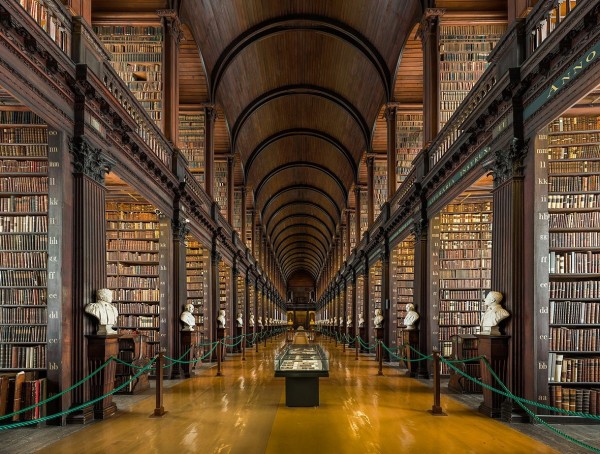
One of the most famous attractions is the Old Library, home to the magnificent Long Room, an eighteenth-century library hall traditionally associated with around 200,000 historic books.
The Old Library also houses the Book of Kells, an illuminated manuscript containing the four Gospels of the New Testament in Latin. Created around AD 800, it is celebrated for its extraordinarily detailed illustrations and is one of Ireland’s greatest cultural treasures.
St Patrick’s Cathedral
St Patrick’s Cathedral is the largest cathedral in Ireland and one of Dublin’s most important historic buildings.
The present cathedral dates largely from the thirteenth century, although the site has been associated with Christian worship for much longer.
According to tradition, St Patrick baptised converts to Christianity near this location in the fifth century.
The cathedral has played a significant role in Dublin’s religious and cultural history and continues to host services, concerts and important commemorations, including Remembrance Sunday.
It is also the burial place of Jonathan Swift, the author of Gulliver’s Travels, who served as Dean of St Patrick’s Cathedral from 1713 until his death in 1745.
Phoenix Park
For a break from Dublin’s busy streets, visit Phoenix Park, one of Europe’s largest enclosed public parks within a capital city.
Covering approximately 707 hectares, the park has extensive green spaces, woodland, walking paths and cycling routes.
It is home to several important landmarks, including Áras an Uachtaráin, the official residence of the President of Ireland, and Dublin Zoo, which opened in 1831.
Phoenix Park is also famous for its herd of wild fallow deer. The deer have lived here since the seventeenth century, when the park was established as a royal hunting ground.
Today, you can often spot them grazing across the open grassland, although it’s important to observe them from a distance and avoid feeding them.
Discover Dublin’s famous pubs and whiskey-making traditions
Of course, no introduction to Dublin would be complete without mentioning its famous pubs and centuries-old brewing and distilling traditions.
Ireland is internationally renowned for its beer and whiskey, and Dublin is home to some of the country’s most recognisable names.
Whether you’re interested in learning about the history of Guinness, discovering traditional Irish music or simply experiencing the atmosphere of a Dublin pub, there are plenty of opportunities to explore this side of the city.
Temple Bar
One of Dublin’s best-known neighbourhoods is Temple Bar, located on the south bank of the River Liffey.
The name refers both to the neighbourhood itself and to the famous Temple Bar Pub, which has become one of the city’s most photographed landmarks.
The area is particularly popular for its nightlife, with numerous traditional pubs, restaurants and venues offering live music.
At the The Temple Bar Pub, you’ll find an extensive selection of Irish whiskey, traditional Irish music and a lively atmosphere that attracts visitors from around the world.
However, Temple Bar isn’t exclusively about drinking. The neighbourhood also has cultural attractions, independent shops, galleries and historic streets worth exploring.
If you’re interested in Irish music, you can join one of the area’s organised musical pub tours, where local musicians introduce visitors to traditional songs and instruments.
Another interesting option is Dublin’s literary pub tours, which combine the city’s famous drinking establishments with performances and stories inspired by Irish writers.
These tours celebrate Dublin’s literary heritage, including the works of writers such as James Joyce, Oscar Wilde and Samuel Beckett.
Guinness Storehouse
One of Dublin’s most famous visitor attractions is the Guinness Storehouse, located at St James’s Gate Brewery.
Guinness has been brewed in Dublin since 1759, when Arthur Guinness signed a remarkable 9,000-year lease on the brewery site.
Today, the Guinness Storehouse tells the story of the company, from its origins in eighteenth-century Dublin to its development into one of the world’s most recognisable beer brands.
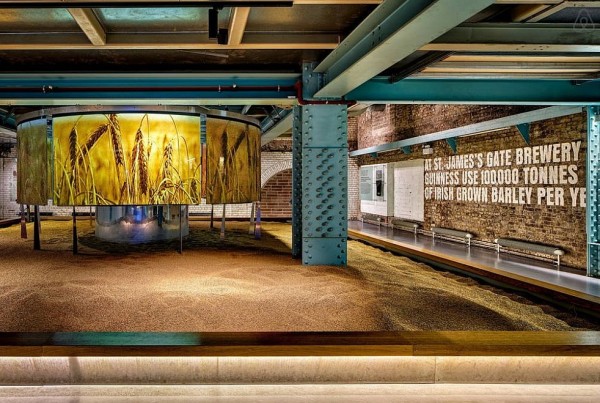
During your visit, you can learn about the ingredients used to make Guinness, the brewing process and the history of its distinctive advertising campaigns.
One of the highlights is the Gravity Bar, situated at the top of the building.
With panoramic views across Dublin, it’s an excellent place to admire the city from above and recognise some of the landmarks you’ve visited.
Jameson Distillery Bow St.
Founded by John Jameson in 1780, the original Jameson distillery operated in Dublin’s Bow Street for almost two centuries.
Although Jameson whiskey is now produced at the Midleton Distillery in County Cork, the historic Bow Street site has been transformed into a visitor attraction.
At Jameson Distillery Bow St. you can discover the history of Irish whiskey production and learn about the distilling techniques that distinguish Irish whiskey from other varieties.
The visitor experience includes exhibitions, presentations about the production process and, for adults, opportunities to take part in whiskey tastings.
Historical places to visit around Dublin
Beyond the main attractions in the city centre, there are several important historical sites that offer a better understanding of Ireland’s past.
Kilmainham Gaol
Kilmainham Gaol is one of the most historically significant places you can visit in Dublin.
Opened in 1796, this former prison played an important role in Ireland’s struggle for independence from British rule.
Over the years, many Irish political prisoners and revolutionaries were held here, including leaders of the 1916 Easter Rising.
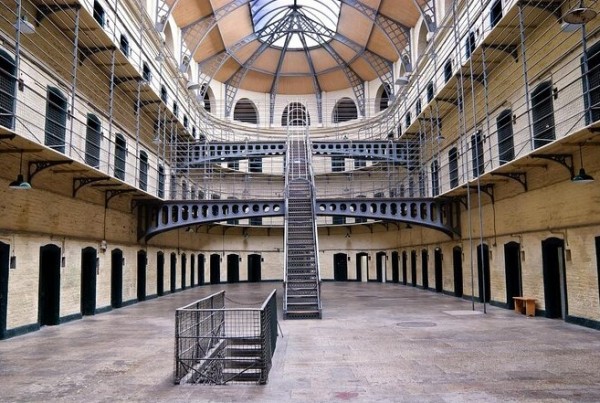
Following the rebellion, fourteen of its leaders were executed at Kilmainham Gaol, including Patrick Pearse and James Connolly.
These executions had a profound effect on Irish public opinion and contributed to growing support for independence.
The prison closed in 1924 and was later restored as a museum. Today, visiting Kilmainham Gaol offers a powerful insight into Ireland’s political history, particularly the events that led to the establishment of the Irish Free State in 1922.
Located approximately 3.5 kilometres west of Dublin city centre, the prison is easily accessible by public transport.
Glasnevin Cemetery
Another historically important site is Glasnevin Cemetery, located a short distance north of the city centre.
Established in 1832 by Daniel O’Connell, Glasnevin was created as a burial ground where Catholics could be buried without the restrictions and discrimination they had previously faced.
It became Ireland’s first major non-denominational cemetery and remains one of the country’s most important burial grounds.
Many significant figures from Irish history are buried here, including Daniel O’Connell, Michael Collins and Éamon de Valera.
The cemetery also contains the graves of writers, artists and ordinary Dublin residents whose lives reflect different periods of Irish history.
You can explore the cemetery independently or join a historical tour to learn more about the people buried there and their contributions to Ireland.
Now that you know the best things to see in Dublin, why not experience it for yourself?
From historic castles and fascinating museums to traditional Irish pubs and beautiful green spaces, Dublin has plenty to offer. Whether you’re interested in Irish history, literature or art, you’ll find no shortage of things to see in Dublin.
Ready to explore more of the world while improving your English? Discover our Astrolabio study holidays in Ireland and find out how you can combine language learning with the opportunity to experience new places and cultures.