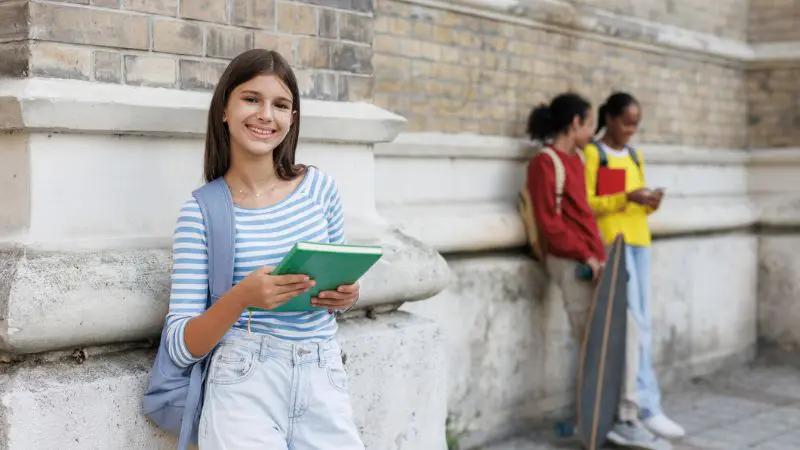

Taking part in study holidays abroad is a unique opportunity for both student and teacher! Learning a language and experiencing daily life in a completely different cultural context is incredibly special.
For teachers, accompanying a group abroad means far more than managing logistics and ensuring safety. It involves becoming a trusted point of reference during moments of growth, uncertainty, and discovery. Each day brings new challenges and opportunities for informal learning, where traditional teaching blends naturally with real-life experience in another country.
Students, on the other hand, are given the chance to engage with new ways of thinking, local traditions, and different lifestyles, while developing independence and personal awareness. Living and learning outside the familiar environment of home and school encourages curiosity and adaptability in ways that classroom learning alone cannot.
In this context, study holidays offer educational value that goes well beyond textbooks and lessons, encouraging social skills, independence, and confidence alongside academic development.
Contents
The role of the accompanying teacher
The teacher accompanying a group abroad plays a central role in the success of the experience. Alongside organisational responsibilities, they are responsible for students’ emotional wellbeing, helping to create a sense of trust and security in an unfamiliar environment.

The accompanying teacher often becomes both a moral and educational reference point, supporting students as they face language barriers or cultural differences. They must also liaise with host institutions, organise educational and cultural activities, and respond calmly and effectively to any unexpected situations.
This role requires a combination of teaching experience, organisational skills, and strong interpersonal abilities. While demanding, it is also deeply rewarding. Teachers frequently return with a stronger sense of intercultural awareness, enriching both their professional practice and personal outlook.
Preparation and organisation before departure
The success of a study holiday depends largely on careful preparation. Teachers are involved in planning itineraries, arranging accommodation, organising transport, and coordinating educational activities in advance.
It is also essential to understand the individual needs of each student, from food allergies to medical or learning requirements. Preparation includes cultural awareness work, helping students understand local customs, social expectations, and language differences before they leave.
This stage reduces anxiety, prevents misunderstandings, and supports a safer, more positive experience overall. A well-planned programme balances lessons, cultural visits, leisure time, and opportunities for social interaction, ensuring the study holiday is a genuine educational investment.
Language and cultural immersion
At the heart of every study holiday is full immersion in the language and culture of the host country. Students do not simply attend lessons, but use the language daily in real situations, such as ordering food, shopping, visiting museums, and taking part in group activities.

This practical exposure supports faster and more natural language development, while also increasing students’ confidence in communication. At the same time, students begin to reflect on their own habits and assumptions as they encounter different ways of living.
The accompanying teacher plays an active role in encouraging interaction, supporting communication, and helping students interpret cultural differences. The result is a lasting improvement in both linguistic ability and social awareness.
Integrated educational and recreational activities
Alongside formal lessons, study holidays include a wide range of educational and recreational activities. Cultural visits, excursions, creative workshops, and sports activities all contribute to an engaging learning environment.
These experiences allow students to apply what they have learned, build teamwork skills, and strengthen relationships within the group. For teachers, organising these moments involves balancing learning objectives with enjoyment, ensuring every student feels included and supported.
Recreational activities become a natural extension of learning, creating memorable experiences that reinforce motivation and engagement.
Managing challenges and difficult moments
Not every day of a study holiday is easy. Students may experience homesickness, language frustration, or interpersonal conflicts. The accompanying teacher must respond with empathy, consistency, and clear boundaries, creating a safe and supportive atmosphere.

Preventive strategies are important, but so is the ability to react effectively when difficulties arise. Skills such as mediation, active listening, and problem-solving are essential. These situations offer valuable lessons in resilience and independence for students, while allowing teachers to strengthen their leadership and group management skills.
The impact on students’ personal growth
Study holidays make a meaningful contribution to students’ personal development. Living away from home, facing unfamiliar situations, and interacting with different cultures encourages independence, self-confidence, and decision-making skills.
Students learn to manage their time, solve practical problems, and work collaboratively with others. They also develop empathy, adaptability, and curiosity, qualities that are increasingly important in modern life.
For teachers, witnessing these changes is one of the most rewarding aspects of the experience, reinforcing the value of education beyond the classroom.
Testimonials
Francesca, 34, secondary school language teacher
“Accompanying my sixteen and seventeen-year-old students to London was an incredible experience. Every day brought something unexpected. Watching them grow more confident, communicate in English with local people, and explore parts of the city they had never imagined was genuinely moving. I saw sides of their personalities that never emerged in the classroom. I also learned to be more flexible and calm when dealing with the unexpected. It was a shared experience of growth that I know none of us will forget.”
Luca, 17, upper secondary student
“At first I was really nervous about being away from home for a whole week, but the support from my teacher and the group quickly turned fear into excitement. Each day was full of interesting activities, from English lessons to cultural visits and social time. My spoken English improved a lot, and I gained confidence talking to new people. I also made friendships I know will last. This was not just a trip, but a real personal learning experience.”
Practical advice for teachers and schools
To ensure a safe and effective study holiday, teachers should be familiar with local regulations, keep emergency contacts up to date, and have clear procedures in place for illness or unexpected incidents.
A balanced programme that alternates lessons, cultural activities, and downtime helps maintain students’ wellbeing. Regular communication with parents and clear routines with shared rules reduce stress and prevent conflict.

Encouraging open dialogue between teachers and students supports responsibility and independence. In this way, a study holiday becomes a complete educational experience, combining learning, personal growth, and enjoyment, while leaving students with lasting skills and memories.
An experience that changes lives
Accompanying a group abroad is both a professional responsibility, and a shared experience of learning and development. Teachers and students face challenges together, celebrate achievements, and build relationships that extend beyond the classroom.
A well-organised study holiday brings together language learning, cultural understanding, and social growth in a natural and meaningful way. What remains is not just new knowledge, but the awareness of having taken part in an experience that can shape personal and educational paths for years to come.