
Contents
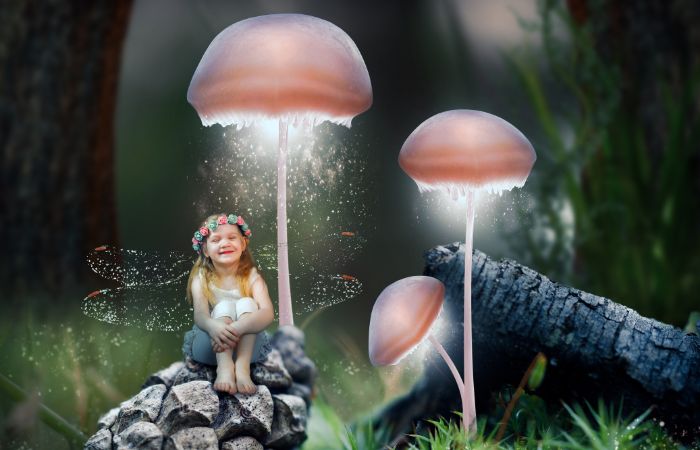
Irish fairies are not the tiny, winged beings you find in children’s books. They are the Sidhe, descendants of the Tuatha de Danann — a race of semi-divine figures said to possess extraordinary powers.
Ireland is a country where history and folklore are a part of everyday life, and the legends of Irish fairies are no different. Walk through its hills or visit its villages, and you’ll find stories about Irish fairies, spirits, and ancient heroes woven into the land itself.
According to mythology, the Sidhe are descendants of the Tuatha de Danann, a race of semi-divine figures said to rule Ireland long before humans. When they were defeated, they retreated underground and became the Sidhe — mysterious beings tied to burial mounds, hills, and hidden places.
They are often described as tall and striking, not small or winged like in modern fairy tales. Their homes are said to be ancient tumuli, caves, or grassy hills that act as gateways to their world. These sites are still respected today, and some are avoided out of caution.
Irish fairies are a mix of kindness and danger
Legends describe the Sidhe as unpredictable. They can bring blessings to people who respect them, but they can also punish those who disturb their sacred places. Illness, bad luck, or sudden misfortune are sometimes explained as the result of angering the fairies.
This idea shaped everyday habits. People avoided cutting down certain trees, especially lone hawthorns, and many would not build near fairy mounds. In rural areas, some still follow these customs, believing that it’s better not to take risks.
Fairy trees and sacred sites
One of the strongest traditions is linked to the hawthorn tree. A single hawthorn in the middle of a field is often called a “fairy tree.” Cutting it down is thought to bring years of bad luck. Farmers might even change the layout of their land rather than touch one.
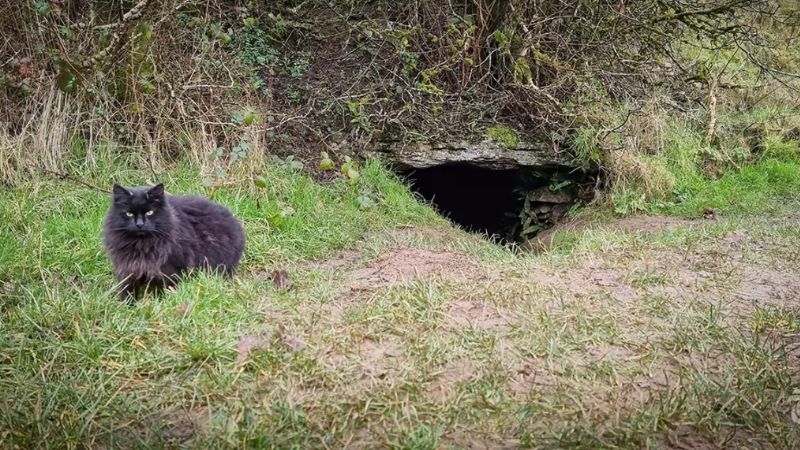
Other places connected with fairies include stone circles, ancient forts, and caves. The Oweynagat cave in County Roscommon is one of the most famous. Known as the “Cave of the Cats,” it has long been considered an entrance to the Otherworld, with stories of strange creatures and spirits linked to it.
These places attract visitors today not only for their beauty but also because of the stories that surround them. They are part of Ireland’s cultural heritage and offer a direct link to the country’s oldest traditions.
Stories that continue to be told
Irish folklore is full of encounters between humans and fairies. One common tale is of a traveler who joins a fairy dance at night, only to find that when he returns home, many years have passed.
Another story tells of a farmer who spared a hawthorn tree when clearing land. The fairies rewarded his kindness with good fortune for his family.
These tales are more than entertainment. They reflect values like respect for nature and caution about interfering with things that are not fully understood.
How people live alongside fairies
Fairy beliefs encouraged people to treat the land with care. Some families left small offerings outside their doors — a piece of bread or a little milk — to show respect to the fairies. These gestures were not only about superstition but also about maintaining balance with the unseen world.
The same respect can even affect local decisions. Roads have been redirected and building projects adjusted to avoid disturbing fairy trees or mounds. It shows how folklore continues to have an impact, even in modern times.
Fairies and Christianity
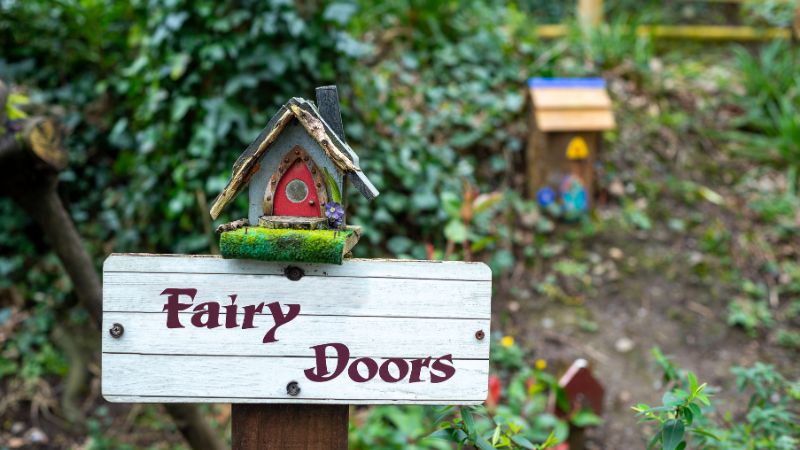
When Christianity spread in Ireland, belief in fairies did not disappear. Instead, the stories adapted. In some traditions, the Sidhe were described as fallen angels — not fully good but not entirely evil either. In other cases, fairy stories blended with Christian legends, with saints and holy places taking on roles once linked to older spirits.
This mix of traditions created a rich cultural background that still influences Irish storytelling, art, and even festivals today.
Fairies in modern Ireland
Even though Ireland has changed, fairy traditions are still part of its culture. They appear in literature, music, films, and local festivals. Visitors are drawn not only to the landscapes but also to the stories that explain them.
In some rural areas, people remain cautious about disturbing certain sites. Whether or not everyone believes in the Sidhe, the respect for these traditions shows how important folklore is to Irish identity.
Irish Fairies: A living tradition
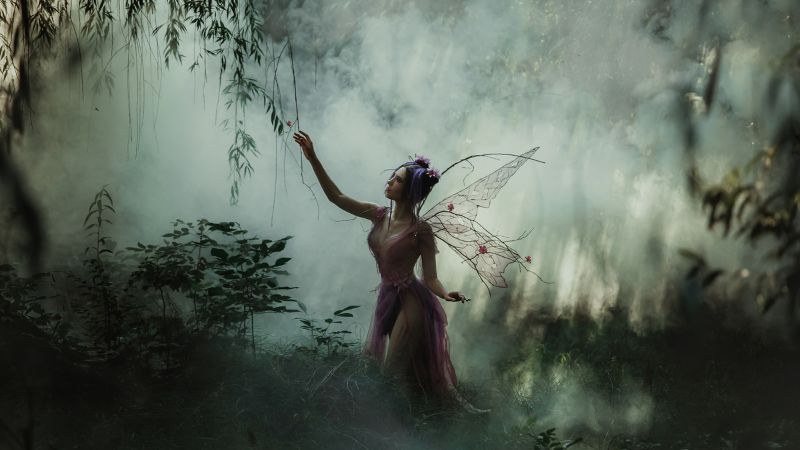
The stories of the Sidhe are more than myths from the past. They continue to shape how people think about nature, community, and respect for the land.
For visitors, exploring these legends offers a different perspective on Ireland. Walking past a fairy tree or visiting an ancient cave becomes more meaningful when you know the stories attached to them.
Irish folklore is a reminder that history and imagination are closely linked. Even in a modern world, there is still space for mystery. And in Ireland, that mystery is often said to belong to the Irish fairies.