
If you are thinking about sending your child abroad this summer for summer study holidays in 2026, you can choose from some of the destinations most requested by Italian students.
Are you considering a summer study holiday in 2026 for your child? Well, it is an excellent idea! Every year, more and more Italian students choose to travel during the summer months to improve their language skills and experience life in another country.
Is it worth it? Absolutely. A study holiday abroad offers the chance to learn a language in a natural environment, attending intensive lessons while being surrounded by the language in everyday life. At the same time, students meet young people from all over the world and begin to develop independence and confidence.
For many teenagers it is also the first opportunity to spend two weeks or more away from home, discovering how to adapt to a new environment while gaining maturity and autonomy.
A study holiday is not only about the classroom. Lessons are combined with excursions, activities and time spent discovering the culture and daily life of the destination. This balance between study and experience is exactly what makes summer study holidays such a powerful learning opportunity.
But once you have decided to go, a common question remains: where should you go?

(The INPSieme Abroad 2026 call funds study stays of 15 days and 14 nights with at least 15 hours of lessons per week, with grants of up to €2,100. Here you can find requirements, dates, documents and a checklist to help you choose the right summer study holiday in England.)
How to choose the right destination for summer study holidays in 2026
Choosing where to go for your summer study holidays can sometimes feel like the most difficult part of the entire experience. There are many countries, languages and programmes available, and each offers different advantages.
If you are unsure how to decide, the best starting point is to think about your goals and a few practical considerations:
- Language is usually the first factor. A study holiday works best when the student is fully immersed in the language they want to improve. English and Spanish offer the widest range of destinations, while French and German programmes may be more limited.
- Programme length is another important element. Most summer study holidays last around 15 days, although shorter or longer options are sometimes available depending on the programme.
- Course credits. Some summer language programmes may count towards school work-experience programmes or educational credits, depending on the regulations of the student’s school.
- Climate may also influence the decision. Northern European destinations such as the United Kingdom or Ireland can be cooler even in summer, while places such as Malta offer warmer weather and beach activities.
- Budget is naturally a key consideration as well. Many programmes are all-inclusive, but students will still need spending money for souvenirs, snacks and small personal purchases during their stay.
- Extracurricular activities are important. Many programmes include sports, cultural visits, creative workshops or excursions, which can greatly enrich the learning experience.
- Travel documents and entry requirements for the destination country are an important consideration. This includes passports, visas or travel authorisations where necessary, so be sure to check before you choose!
Once you have thought through these aspects, it becomes much easier to find a destination that balances the student’s interests with practical considerations.
Professor Cinzia Occari , Ariosto High School (Ferrara)
“I’ve led many groups over the years and find the teaching quality consistent: classes organized by level, well-trained teachers, and a constant focus on speaking and comprehension. The real strength, however, is the organization of afternoon time, which isn’t just a filler, but an extension of the program: sports, workshops, and visits are designed with clear language objectives in mind. This balanced pace prevents slack, fosters motivation, and makes the experience truly formative.”
What are the best destinations for English language study holidays in 2026?
Several destinations are particularly popular among Italian students planning summer study holidays in 2026, especially for those who want to study English.
Egham (London, United Kingdom) is located close to the capital and offers a campus environment in a safe and well-organised setting. It is ideal for students who want to combine language learning with visits to the major attractions of London.
Cirencester (Cotswolds, United Kingdom) offers a completely different atmosphere. This historic English market town provides a quieter rhythm of life, making it perfect for students who want to focus on study while experiencing traditional British culture.
Nottingham (United Kingdom) is a vibrant university city known for its international student life. Alongside language lessons, students can explore cultural sites, sporting facilities and a lively urban environment.
Eastbourne (United Kingdom) is a seaside town on England’s south coast. The relaxed atmosphere, mild climate and wide range of outdoor activities make it particularly attractive for younger students.
Dublin (Ireland) is another destination that continues to grow in popularity. The city offers excellent teaching standards and a friendly, welcoming environment where students quickly feel comfortable speaking English.
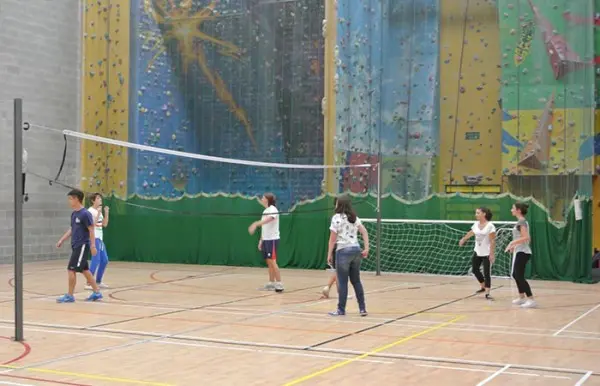
Malta combines English language learning with a Mediterranean setting. The island’s beaches, warm climate and international atmosphere make it especially appealing for students who want to combine study with a classic summer holiday environment.
For families looking for something more exclusive, the United States or Canada offer premium programmes with full English immersion and high-quality campus facilities.
The most popular destinations for studying Spanish abroad
Unlike English, Spanish in Europe is primarily spoken in Spain. However, it remains one of the most widely used languages in the world because it allows communication across much of Latin America.
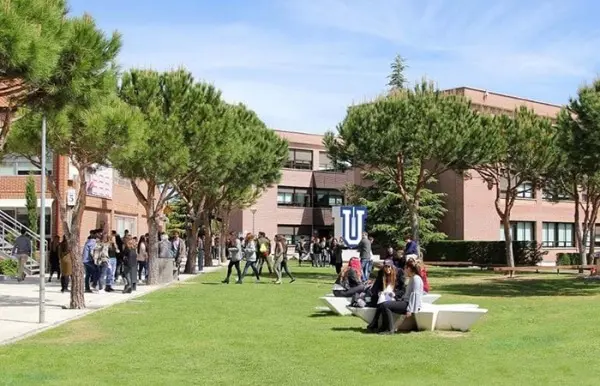
A study holiday in Spain therefore offers both language learning and cultural discovery.
One of the most requested destinations is Madrid, the capital of Spain. It is a vibrant city filled with museums, cultural events and a lively social atmosphere.
Students who prefer coastal destinations often choose Barcelona, famous for its architecture and Mediterranean character, or Málaga, in southern Spain, which combines language study with beach activities.
Want to study German abroad? Choose Berlin
German is the official language of Germany, Austria and Switzerland. However, many regional dialects are spoken in Austria and Switzerland.
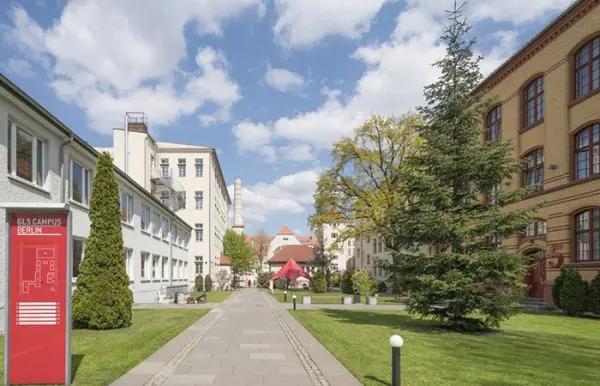
For students who want a clear and immersive linguistic experience, Berlin is often the best option.
A study holiday in Berlin also offers a unique opportunity to explore European history. Students can visit historical sites connected to major twentieth-century events, from the Second World War to the Cold War.
At the same time, Berlin is a cosmopolitan and creative city that offers students a dynamic cultural environment.
The most popular destinations for French summer study holidays in 2026
French is spoken in many countries, but the most requested destination for study holidays remains France itself, especially the capital.
Paris offers an exceptional cultural environment alongside excellent language schools.
Students who want to combine study with the sea often choose the French Riviera, where cities such as Antibes and Nice offer both language courses and Mediterranean coastal life.
This region is also convenient for Italian families who prefer a destination that is relatively close to home while still offering an international experience.
The parent’s guide to Astrolabio study holidays:
Supervision, safety and well-being
Safety comes first in our programs: group departures with a chaperone from Italy, local staff, and an on-site Astrolabio manager ensure the kids are accompanied from the airport to their evening return to the facility. A structured daily program (lessons, activities, excursions) helps maintain a healthy pace and motivation.
Cost transparency: “All Inclusive – Zero Surprises”
With Astrolabio, the price is clear and fixed: the course, food, accommodation, activities, excursions, assistance, and insurance are included, with no hidden or unexpected supplements related to currency exchange or suppliers.
A typical day (3 examples)
Egham – London (UK):
Morning: English tests/lessons, focus speaking.
Afternoon: Campus activities, London excursions.
Evening: College events and briefing with the Group Leader.
Dublin (Ireland):
Morning: Communication lessons + CLIL (local culture).
Afternoon: City tours/activities, interaction with international students.
Evening: Guided social activities and return to the school.
Malta:
Morning: Intensive course by level.
Afternoon: Outdoor activities (beaches/sports) + cultural tours.
Evening: Themed evenings and language games.
Teaching and results (language, personal growth, PCTO)
Classes by level, focusing on communication and project work; final certificate useful for school applications. Some institutions recognise credits/PCTO according to their own internal regulations.
Colleges and schools: selection criteria (also exclusive)
We select accredited colleges and schools; in many cases, we operate exclusively at the centres, with local staff and L’Astrolabio managers to support the groups.
Communications with families (before–during–after)
Clear communications plan: pre-departure information, updates during the stay (dedicated channels, team contact details), follow-up upon return.
Special needs, inclusion and diets
We collect medical/dietary needs (allergies, celiac disease, ethical diets) in advance, prepare personalised plans and coordinate with the on-site staff.
Insurance, refunds and booking changes
A clear summary of medical, cancellation, and baggage coverage; practical instructions for changing your destination/date and filing a claim.
INPSieme: mini operational guide (2026)
Who: Children of public administration employees/retirees (organisations listed in the announcement).
What it offers: Grants of up to €2,100 for 15 days/14 nights abroad (June-August, return by August 30), with language courses and structured activities; annual deadlines and rankings.
How to apply: SPID/CIE credentials, ISEE, apply on My INPS according to the published deadline; many agencies publish compliant destinations and step-by-step instructions.
Smart suitcase & practical handbook
Essential college/city/beach checklist (documents, adapter, health card, prescription drugs, layered clothing, swimsuit/hat for Malta, rain jacket for UK/Ireland), SIM management/roaming and cashless payments (rechargeable prepaid cards).
Code of Conduct & Clear Rules
Rules for coexistence and safety: schedules, outings, devices, respect for spaces and people; transparent disciplinary action and timely communication with families.
Team & Method (Editorial/Methodology)
Who writes and reviews the guides, destination/partner selection criteria, fact-checking, update frequency, and how to submit corrections/feedback.
Neutral Checklist: “What to Ask Any Organizer”
- Student/leader ratio? (minimum guaranteed 1:15)
- Emergency plans and insurance?
- What does the fee really include?
- Afternoon Structure: Is It Educational or Just “Entertainment”?
- College/school accreditations?
- Special needs management and communications with families?
Astrolabio in brief
Astrolabio is an Italian study travel brand with over 40 years of experience organising educational travel programmes for young people.
More than 200,000 students have travelled with the organisation, supported by experienced teachers, local staff and dedicated programme managers.
Andrea Barbieri is the General Manager of Astrolabio and VIVA, companies specialising in study travel, and for over ten years has led a network of four travel agencies and written about tourism on numerous blogs. A former journalist, since 1994 he has been the founder and CEO of several digital marketing companies, bringing a data-driven approach to growth and communication to the company. At Astrolabio and VIVA, he coordinates strategy, product, and experience quality for families, schools, and teachers, focusing on cost transparency, security, and useful content to help those choosing a study vacation make an informed decision.
FAQ – Study Holidays 2026
1) What is the right age to participate?
For college programs with a chaperone, the typical age range is 8–17; for older children, individual programs are available year-round, with classes tailored to their age and level.
2) How long does a standard program last and what does it include?
The standard duration is 15 days (14 nights); All-Inclusive – Zero Surprises packages generally include a language course, room and board, activities, excursions, on-site assistance, and insurance.
3) What are the most popular destinations for English in 2026?
UK (Egham/London, Cirencester, Nottingham, Eastbourne), Ireland (Dublin), and Malta: they combine quality teaching, safety, and excellent value for money.
4) Is college or host family better?
- College: international community, sports facilities, integrated activity program.
- Host family: cultural immersion “at home”, daily language practice.
The choice depends on age, independence, and language goals.
5) How do escorted departures work?
Travel in a group with a Group Leader from Italy, with ongoing supervision and support from local staff; this is the best option for first-time language learners abroad.
6) INPSieme: who can apply and what are the basic requirements?
It is aimed at children of public administration employees/retirees (and related organisations) with contributions of up to €2,100 for 15 days abroad; deadlines and requirements vary depending on the annual call for applications.
7) When is it best to book?
Book as soon as possible: the best seats and rates sell out well in advance; the 2026 guides provide information on when to book to save.
8) Can I obtain certificates or credits (PCTO)?
Many programs issue certificates of attendance useful for academic purposes; some schools recognise credits/PCTO according to internal regulations. Check the 2026 guide and contact the institution for details.
9) What documents are needed to leave?
It depends on the destination (e.g., passport and, if required, visa/ETA). Always check the “Required Documents and Procedures” section and official notices before booking.
10) How do I choose the right destination?
Consider language, age, time of year, budget, course intensity, climate, and accommodation type; use the destination guide to compare pros and cons and activities.
11) What does “All Inclusive – Zero Surprises” really mean?
Transparent and fixed price: no unexpected extras (currency exchanges/suppliers), everything included in the agreed package (course, food, accommodation, activities, excursions, assistance, insurance).