A first study holiday abroad is an important experience. It brings together language learning, personal growth and a new level of independence, and… international friendships!
For many students, it is their first trip without their family. It is completely normal for them, and for you as a parent, to have questions before they leave.
Understanding how the programme works, what to expect during the stay and how to choose the right option can make the whole experience feel calmer and more manageable. With the right preparation, a study holiday can become a safe, formative experience, even for students travelling abroad for the first time.
What really happens when a teenager makes friends across borders?
Why is friendship so important?
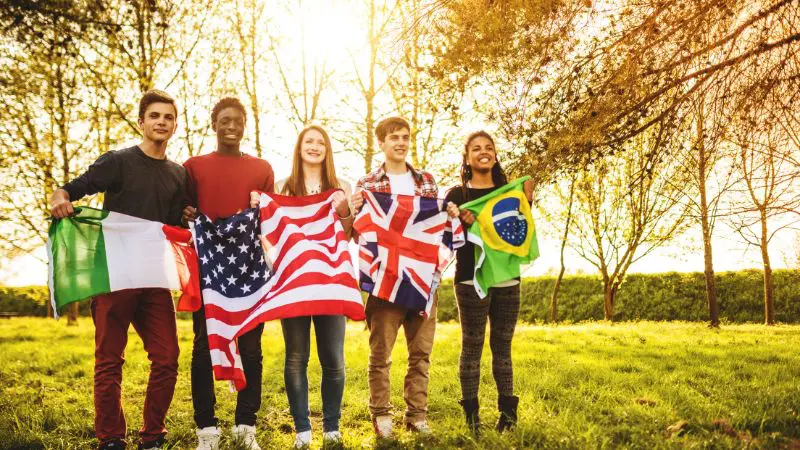
International friendships can enrich your teenager’s life in ways that go far beyond a language course or a summer abroad. When young people build relationships with others from different cultures, they start to see the world through a wider lens.
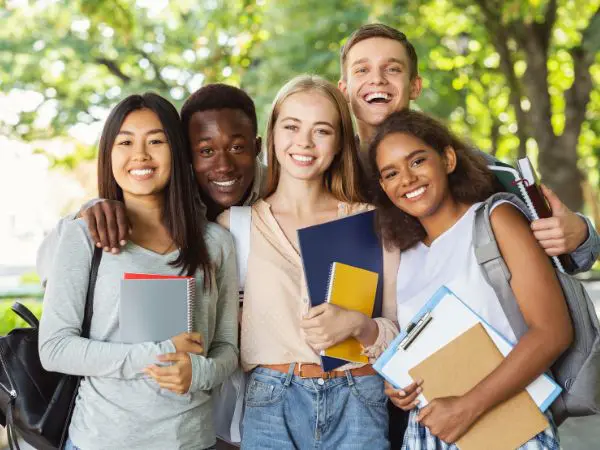
These friendships are not only about learning new words, trying different foods or hearing about unfamiliar traditions. They help young people understand that there are many ways to live, think, communicate and experience everyday life.
Through friends from other countries, teenagers come into contact with perspectives that may be very different from their own. They may begin to question things they once took for granted, from family routines to school life, communication styles and social habits.
By sharing stories, challenges and everyday moments, they learn to see the world through someone else’s eyes. That can help them grow emotionally, socially and intellectually.
Sharing knowledge and traditions through intercultural friendships
International friendships create a natural space for learning. Through conversation, shared activities and daily life, young people discover cultures that may be very different from their own, but still feel familiar in human ways.
They also learn more about their own culture. Many habits, traditions and values feel normal until we explain them to someone else.

That moment of reflection can be powerful. It helps teenagers understand their own identity more clearly and appreciate the complexity of where they come from.
Food, music, art, celebrations and family traditions can all become part of this exchange. A teenager might share what makes their own culture meaningful, while also learning what matters to their friends.
This kind of exchange builds respect. It helps young people move beyond surface-level differences and form more meaningful connections.
International friendships can change the way young people travel
International friendships do not only open the mind. They can also change the way teenagers experience travel.
When young people visit friends in their home countries, they often see much more than tourist attractions. They may get a glimpse of daily life, local routines, family habits and community spaces that visitors would not usually experience.

This gives travel a very different meaning. It becomes less about simply seeing a place and more about understanding how people live there. The same is true when your teenager welcomes international friends to their own country. They may enjoy showing them favourite places, introducing them to family or friends, and sharing the details that make their own home feel special.
These moments help young people see their own culture from a new point of view too. What feels ordinary to them can become interesting, meaningful or surprising when seen through someone else’s eyes.
Discovering new interests through international friendships
Every friend from another culture brings a different set of experiences, traditions and interests. For teenagers, this can open the door to new passions they might not have found otherwise.
They may be introduced to a new type of cooking, a style of music, a sport, a celebration or a creative tradition. These discoveries often happen naturally, through everyday conversations and shared time together.
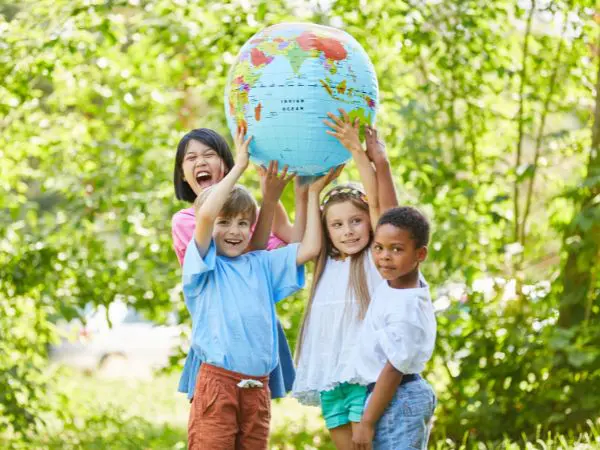
A friend from Bangkok might spark an interest in Thai food. A friend from India might introduce them to yoga or meditation. A friend from Tokyo might encourage an interest in Japanese art, while a friend from Shanghai might share the traditions around Chinese tea.
International friendships can also give teenagers the chance to experience cultural events they may not have encountered before. They might attend festivals, celebrations or community events that show them the richness of another culture in a real, personal way.
Building social and language skills through international friendships
One of the clearest benefits of international friendships is language development. When teenagers speak with friends from other countries, language becomes a real tool for connection rather than just a subject at school.
They may need to search for words, explain themselves in new ways and listen more carefully. Over time, this can build vocabulary, confidence and fluency.
These friendships also help teenagers build social skills. They learn to read non-verbal cues, manage misunderstandings and communicate across different cultural expectations.
They may also become better at working in groups, solving problems and handling differences of opinion. These are valuable skills for school, university, work and personal relationships.
In an increasingly connected world, young people who can communicate with openness and respect are better prepared for the future.
International friendships and future opportunities
Global connections can be valuable on a personal level, but they can also support future study and career opportunities.
As young people grow older, international friendships can become part of a wider network of people with different experiences, interests and skills. This can expose them to new ideas, different ways of working and opportunities they may not have considered before.
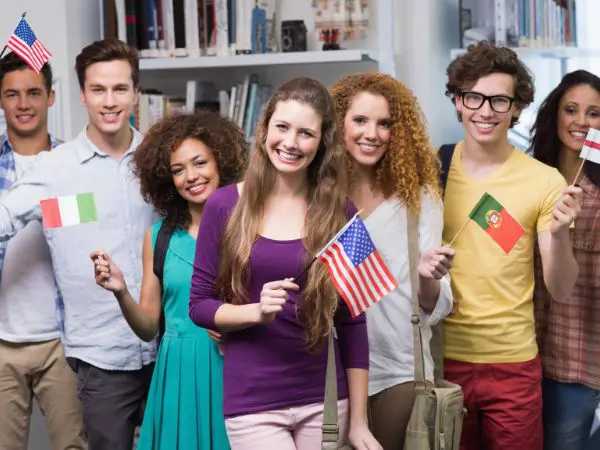
Through conversations and collaboration, teenagers can gain advice, encouragement and feedback from people with different backgrounds. This can help them grow in confidence and think more broadly about their future.
International connections may also lead to future study options, work experience, collaborations or travel opportunities. Even when they do not lead to anything formal, they can still shape a young person’s ambitions and sense of possibility.
Building a more connected and supportive world
International friendships have the power to make the world feel more connected. When young people form bonds with friends from different countries, they begin to look beyond borders, stereotypes and assumptions.
Instead of focusing only on what makes people different, they start to notice shared experiences and values. They see that friendship, humour, family, worries and hopes often cross cultural lines.
These friendships can also encourage young people to care more about global issues. When they understand the challenges faced by friends in other communities, those issues feel more personal and real.
That awareness can inspire them to support social causes, take part in community projects or simply approach others with more empathy. Small personal connections can become part of a much wider understanding of the world.
How to find and nurture friendships beyond borders
We have looked at why international friendships can mean so much, but how can young people actually build these connections?
There are several ways to meet people from different countries, both online and in person:
Use online platforms safely
Technology makes it easier than ever to connect with people around the world. Social platforms such as Facebook, Instagram and X include groups and communities based on shared interests, where young people may come across people from different countries.
There are also platforms designed for cultural exchange and international friendship, such as InterPals, PenPal World and Couchsurfing. For teenagers, safety should always come first. Parents should support age-appropriate use, check privacy settings and encourage open conversations about online boundaries.

Take part in international events and activities
Another way to meet people from different countries is through international events and activities. These might include cultural festivals, language exchanges, cooking classes, school programmes or interest-based clubs.
These settings give young people something shared to talk about. That can make it easier to start conversations and build friendships naturally.
Make the most of travel opportunities
When teenagers visit a new country or city, they are surrounded by opportunities to meet people from different backgrounds. Study holidays, group activities, tours and shared accommodation settings can all help friendships form.
These experiences can be especially powerful because young people are sharing something new together. They are learning, adapting and growing at the same time.
Friendships formed during travel can last long after the trip ends. With messages, video calls and future visits, those connections can continue to grow.
FAQ
Why are international friendships important for teenagers?
International friendships expose teenagers to different points of view, help build empathy, support communication skills and encourage emotional independence.
Unlike friendships formed within a familiar local setting, they often require young people to make an active effort to understand someone else’s language, habits and perspective. That effort can become a real exercise in open-mindedness.
Do friendships with young people from other countries really help with learning English?
Yes, they can help significantly. Informal conversations give teenagers the chance to use English in real situations, where the language is a tool for connection rather than only a school subject.
Lessons still matter, but friendships can make language learning feel more natural, memorable and emotionally meaningful.
How do lasting international friendships form?
Long-lasting international friendships often begin through shared experiences, such as living in the same college residence, taking part in group activities or solving small everyday problems together.
After the trip, the friendship can continue through messages, video calls and, where possible, future visits. The strongest connections usually grow when both people keep making an effort.
What is the best age for a young person to have their first international experience?
There is no single perfect age. Many teenagers between 13 and 17 are especially open to new social experiences and language learning, but the right time depends on the individual student.
Confidence, maturity, support and the structure of the programme all matter. A well-organised international experience can be valuable at different ages.
What can parents do to help their child make international friends?
Parents can help by choosing settings where multicultural socialising feels natural, such as international summer programmes, sports activities or group study holidays.
It also helps to reassure teenagers that feeling shy at first is normal. After the experience, parents can support the friendship by allowing contact to continue, without taking over or managing the relationship for them.
A final thought
International friendships teach young people to see the world with fresh eyes. They help them understand and appreciate human difference, while building bridges across cultures and countries.
These connections remind teenagers that, despite different languages, traditions and ways of life, we are all connected by shared human experiences. Book your next trip with us and give your child the chance to discover new places, new perspectives and new friends.