
Learning English is important, but to improve your fluency and sound more like a local, you must know these popular English slang words!
You can study English for years, practise it in school, and sing along to your favourite songs. But when you finally meet native speakers, it can feel like you don’t understand a thing. Why is that?
The answer often lies in English slang. Beyond pronunciation, everyday English is full of informal words and phrases that rarely appear in textbooks. Slang gives language colour and personality.
If you want to sound more fluent and connect more easily with people, slang is worth learning!

Contents
What exactly is slang?
Slang is informal language, often used in everyday situations. It can change meaning depending on the context, and many expressions are so localised they’re not even listed in dictionaries.
The good news? English speakers don’t expect you to be perfect. But when you surprise them with a well-placed slang word, you’ll sound more relaxed and approachable. That’s when friendships begin to form.
How slang evolves over time
One of the most fascinating things about slang is how quickly it changes. Words that were common in the 1990s, like wicked (meaning “great”), are now mostly heard among older generations. Meanwhile, new slang spreads almost instantly through TikTok, Instagram, and YouTube.
If you want to sound current, keep your ears open. Teenagers and young adults are usually the first to adopt new phrases, and what’s trendy one year can sound outdated the next. That’s part of the fun!
British slang mistakes to avoid
It’s easy to get excited and start throwing slang into every sentence, but there are a few things to keep in mind:
-
Some slang is rude, and using it in the wrong setting can come across badly.
-
Words that are harmless in one region may be offensive in another.
-
Overusing slang can sometimes make you sound unnatural, especially if you’ve only just learned it.
The best strategy is balance: mix standard English with the slang you’re comfortable with. That way, you’ll always sound confident and authentic.
Common English slang you should know
Want to get ahead before your study holiday? Here are some popular words and phrases you’ll hear all the time in the UK.
Chuffed
If someone says they’re chuffed, they mean they’re really pleased or happy.
“I’m absolutely chuffed with your present.”
Knackered
Used to describe extreme tiredness.
“I’ve been up all night. I’m totally knackered.”
Cheeky
This can mean slightly rude in a funny way, or doing something you maybe shouldn’t.
“You have a cheeky smile.”
“I’m just going to have a cheeky burger on the way home.”

Fag
In British slang, this simply means a cigarette. Be careful—its meaning in American English is very different.
“I’m going outside for a fag.”
Cuppa
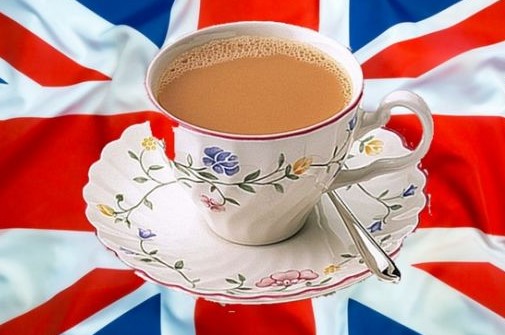
Short for “cup of tea”. In Britain, tea doesn’t always need to be spelled out—cuppa is enough.
“Would you like a cuppa?”
Mate
A friendly way to say “friend”, but also a common way to address strangers.
“Excuse me, mate, is anyone sitting here?”
Gutted
Feeling extremely disappointed.
“I was gutted when I failed the exam.”
Cheers
Of course, it means “cheers” when toasting. But it’s also used casually to say thank you, or even sarcastically to refuse something.
“Nah, I’m good, cheers.”

Everyday slang phrases
Individual words are helpful, but full expressions will make you sound even more natural.

- What’s up? / What are you up to?
A casual way of asking “How are you?” or “What are you doing?” - I feel you
“I understand what you mean.” - I get it
“I understand now.” - My bad
A light way to admit a mistake.
“Oops, my bad!” - No big deal / No worries / No biggie / No sweat
All mean “It’s not a problem.” - It sucked
Something was bad or disappointing.
“That movie sucked.”
English slang changes from place to place
One important thing to remember is that slang can vary between regions. A phrase used in a London pub might sound strange in a small northern town.
The best way to learn? Listen to locals, pay attention to how they speak, and join in when you feel comfortable.
And don’t forget—while slang works perfectly in casual settings, stick to standard English in school or formal situations. That way you’ll always make the right impression.
Final thoughts on English slang
Learning English slang isn’t about showing off, it’s about connecting. Standard English will always be important for school and formal situations, but slang gives you access to the side of the language that’s alive and constantly changing. It’s the difference between simply understanding what people say and being able to join in naturally.
On your study holiday in the UK, you’ll notice how often slang pops up in everyday conversations, from casual chats in a café to late-night talks with new friends. The more you listen and practise, the more confident you’ll feel.
So, pack your curiosity along with your suitcase. Pay attention to the little phrases people use, try them out when you’re ready, and don’t be afraid to make mistakes. Every attempt brings you closer to sounding like a local—and that’s when language learning becomes real.