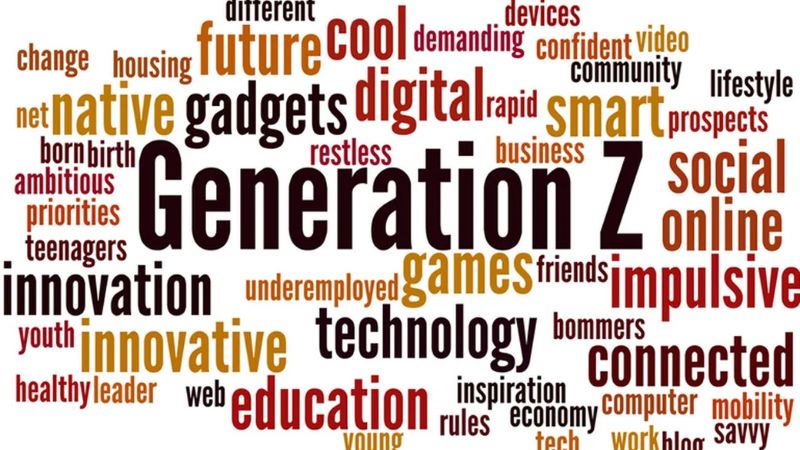
Were you born between the mid-1990s and early 2010s? Then you’re part of Generation Z, a group that grew up during a time of rapid change and digital transformation.
Generation Z – those born between the mid-1990s and the early 2010s – has grown up in a world that’s changing fast.
As Gen Z, you’ve had the entire world at your fingertips. From streaming platforms to social media, you’ve had access to more content than any generation before you. Among all these forms of entertainment, TV series, in particular, became not just something to passively consume on the weekend. They’ve become part of how you understand yourself and the world around you.
So, what kind of shows speak to you the most?
The shows Gen Z connects with the most are those that reflect what it means to be young in the 21st century. They explore themes like identity, love, friendship, social pressure, and personal growth with honesty and clarity.
In a time when issues like inclusion, mental health, and justice are so important, your favourite shows are often the ones that know how to talk about them with sensitivity, intelligence, and courage.
Let’s take a closer look at the series that have earned a special place in the hearts of Gen Z, and why they matter so much.
Contents
Euphoria (2019-Present)
Since it launched in 2019, Euphoria has had a powerful impact on Gen Z.
Sam Levinson’s bold storytelling and Zendaya’s unforgettable performance bring to life the raw reality of high school – tackling subjects like addiction, identity, love, and trauma in a way that feels real and unfiltered.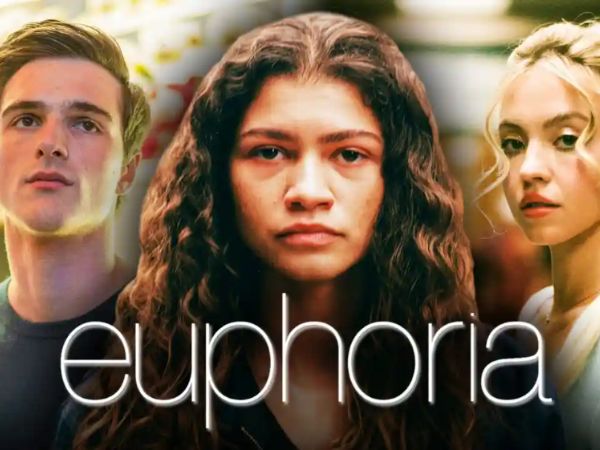
What makes Euphoria stand out is its stunning visual style. Neon lighting, intense colour schemes, and creative camera work make each episode feel like a dream, even when the content is tough and emotional.
The show doesn’t shy away from taboo topics. Instead, it brings them into the open, offering space for conversations that your generation is already having while refusing to sugarcoat anything. It shows pain, confusion, love, desire, and the messiness of growing up, and that’s exactly why it’s become so meaningful to Gen Z.
It’s also no surprise Zendaya won an Emmy for her role. Her character, Rue, represents the struggles and resilience many young people can relate to.
Sex Education (2019-2021)
Sex Education quickly became a favourite for Gen Z, and for good reason.
Set in the fictional town of Moordale, the series follows a group of high school students and their parents as they navigate sexuality, relationships, and identity. What makes this show special is how it talks about these subjects: openly, honestly, and without judgment.
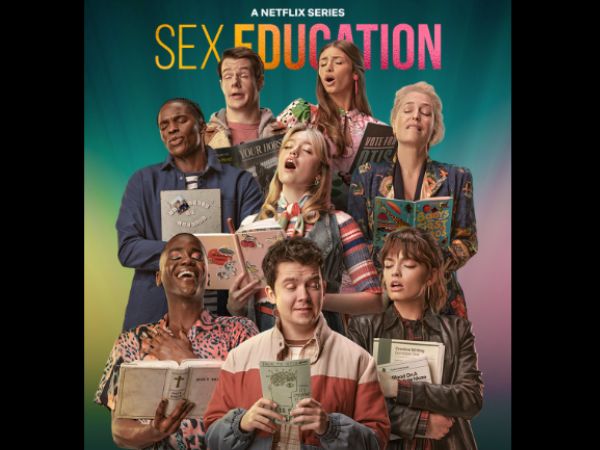
The success of Sex Education among Gen Z isn’t just about good writing. It’s about how well it reflects your world.
The characters are diverse, multi-dimensional, and real. Whether it’s a queer storyline, cultural background, or mental health struggle, this show handles it all with nuance and never with stereotypes.
Even the fashion has made an impact. The vintage-inspired wardrobes and colourful sets have shaped Gen Z style and influenced trends on social media.
But more than anything, Sex Education has created space. Space for questions, for honesty, for openness, and that’s something your generation values deeply.
13 Reasons Why (2017-2020)
Few shows have sparked as much discussion as 13 Reasons Why.
The story begins with Clay Jensen, a teenager who receives a box of cassette tapes recorded by his classmate Hannah Baker before she took her own life. Each tape reveals a reason why she made that choice, and who was involved.
It’s intense, and it’s supposed to be.
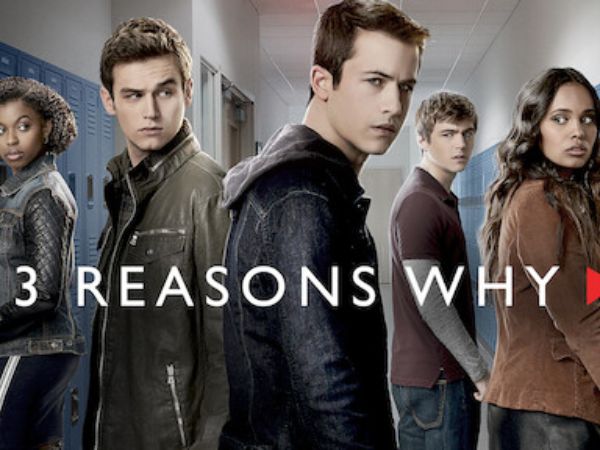
13 Reasons Why looks directly at issues like bullying, harassment, sexual violence, and mental health. It doesn’t look away or tone it down. That’s part of why it had such a strong impact on Gen Z.
You grew up in a world where conversations about mental health are more open, but still full of stigma. This series gave voice to pain that often goes unseen, and it pushed schools, parents, and even enormous platforms like Netflix to take these topics seriously.
Yes, the show was controversial, but it also helped create important dialogue. It showed just how many young people are struggling — and how much they want to be heard.
Stranger Things (2016-Present)
If there’s one show that has brought all generations together, it might be Stranger Things.
Set in the 1980s in the fictional town of Hawkins, Indiana, it begins with the disappearance of a boy named Will and the arrival of a mysterious girl with supernatural powers.
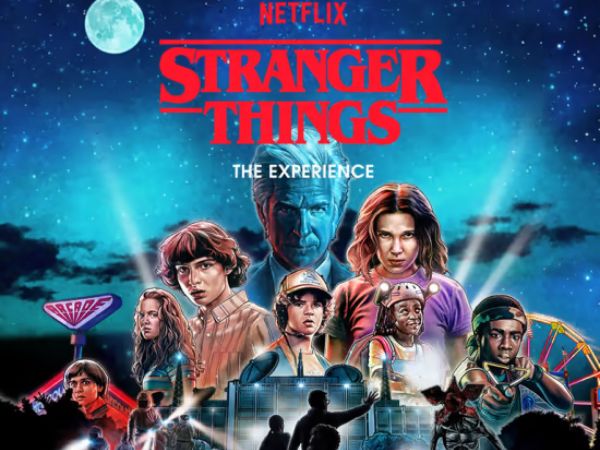
At first glance, it’s science fiction. But at its core, Stranger Things is about friendship, loyalty, grief, and growing up.
Its popularity comes from the way it mixes genres and generations. There’s nostalgia for older viewers, but the characters and their struggles speak directly to younger audiences.
You see yourself in Eleven’s resilience, in Mike and Dustin’s loyalty, in Max’s grief, and in the fear of growing up in a world you can’t always control.
It’s exciting, it’s emotional, and it’s full of heart. And that’s why Gen Z has made Stranger Things one of the biggest series of the decade.
Never Have I Ever (2020-2023)
Created by Mindy Kaling, widely known for her role as the hilarious Kelly in The Office, Never Have I Ever offers something refreshing: a teenage girl who’s smart, messy, emotional, and real.
Devi Vishwakumar is a first-generation Indian-American trying to improve her social life after a rough year. She wants popularity, romance, and a clean slate — but life doesn’t make it easy.
What makes this series stand out is its honesty. Devi is flawed, funny, and full of contradictions, like most teenagers.
The show tackles grief, cultural identity, academic pressure, friendship, and love with humour and sincerity. It doesn’t pretend teenagers have it all figured out, and that’s exactly why it works.
For many Gen Z viewers, Devi feels like someone they know, or perhaps someone they are. She’s allowed to make mistakes. She’s allowed to be complicated. And that’s still rare to see on screen.
Riverdale (2017-2023)
Based on the classic Archie Comics, Riverdale quickly became one of Gen Z’s guilty pleasures — and then something more.
At first, it looked like a typical teen drama. But with each season, the series leaned into mystery, crime, and psychological drama, creating a dark and sometimes chaotic universe for its characters.
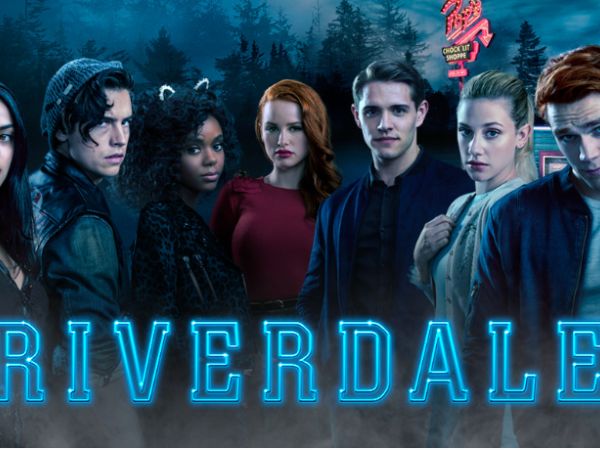
Archie, Veronica, Betty, and Jughead are high school students, and they’re also deeply flawed people trying to figure out who they are in a town full of secrets.
While the plot twists became more extreme over time, the series never lost touch with the themes that mattered: love, identity, family, and mental health.
Gen Z kept watching because Riverdale dared to be bold. And even when it got (very, very) strange, it always centred the emotional journeys of its characters.