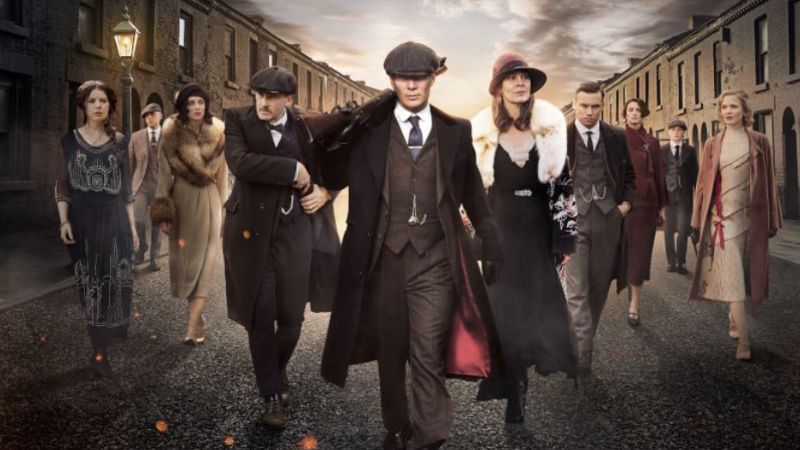
Meet the Peaky Blinders, a criminal gang that shaped Birmingham’s history.
When you hear the name Peaky Blinders, you probably think of the hugely popular TV series. But long before it became a global phenomenon, the name belonged to a real criminal gang that walked the streets of Birmingham in the late 19th and early 20th century.
Their reputation was built on violence, fear, and style. They were young men from poor backgrounds who decided to impose themselves on the city through organised crime. What makes their story so striking is not just the brutality of their actions, but also the way they turned themselves into a symbol of rebellion and even fashion.
Contents
The Birmingham of the Peaky Blinders
To understand why gangs like the Peaky Blinders appeared, you have to look at Birmingham at the end of the 1800s. This was one of the fastest-growing cities in Britain. The Industrial Revolution had transformed it into a manufacturing powerhouse. Factories produced everything from guns to jewellery, and thousands of workers crowded into the city’s neighbourhoods to take whatever jobs they could find.
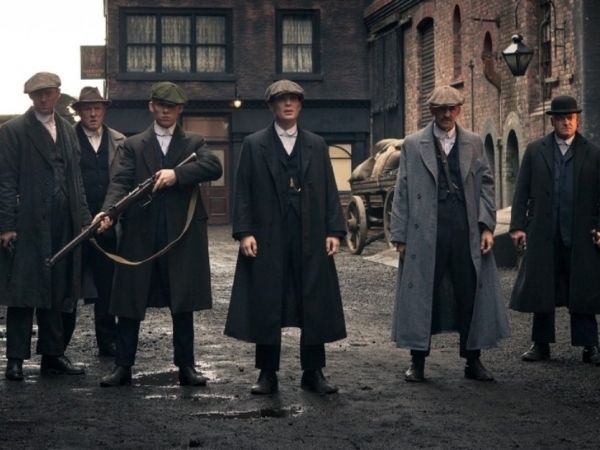
The rapid growth came at a cost. Whole families lived in cramped back-to-back houses, with poor sanitation and little fresh air. Disease spread quickly, and work was exhausting and dangerous. For many young people, the future offered few opportunities. Poverty, overcrowding, and lack of education created the perfect conditions for street gangs to form.
By the 1870s and 1880s, Birmingham’s youth gangs were already notorious. Known as sloggers, they fought with sticks, belts, and knives, staking out territory in districts like Cheapside and Small Heath. Out of this violent culture, the Peaky Blinders emerged.
A city divided by gangs
By the 1890s, Birmingham’s streets were dominated by rival gangs fighting for territory. The Cheapside Sloggers had once been the most feared, but the Peaky Blinders gradually took over. Their main base was Small Heath, but their influence spread into other districts.
Street fights between gangs were brutal. They often involved dozens of men, armed with sticks, chains, knives, and boots reinforced with metal tips. These battles sometimes lasted for hours and left the streets covered in injuries and blood. Local newspapers reported on them regularly, turning the Peaky Blinders into a household name.
Yet violence was only one side of their power. The Peaky Blinders wanted control, not just chaos. They targeted gambling dens, pubs, and racetracks, taking money from bookmakers and small businesses. They used extortion to build a steady income and bribery to protect themselves from the police.
Where did the name come from?
The name Peaky Blinders is one of the most debated aspects of the gang. The most famous theory says that members sewed razor blades into the peaks of their flat caps, which could be used to slash an opponent’s face. It is a vivid and frightening image, but historians believe it is unlikely. Disposable razor blades were not mass-produced or widely available until after 1900, when the gang’s influence was already in decline.
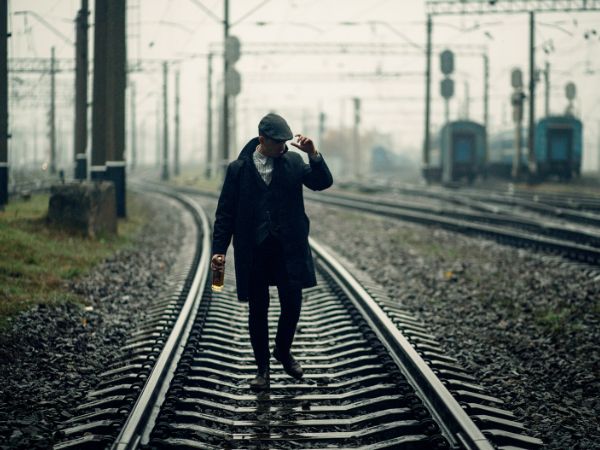
A more realistic explanation is linked to fashion. The gang wore peaked caps pulled low over their eyes. The word blinder was local slang for someone who looked sharp or stylish. Put together, Peaky Blinders probably meant “well-dressed men with peaked caps.” Even if the razor blade story is a myth, it added to the gang’s dangerous reputation and has stuck in popular imagination ever since.
Who were the members?
Unlike the older slogger gangs, the Peaky Blinders were younger, better organised, and more ambitious. Most were between twelve and thirty years old. They came from working-class families and had little hope of breaking out of poverty through legal means.
One of the most recognised names is Kevin Mooney, a leader who was known for his cunning and his ability to hold the gang together. Police records also mention Harry Fowles, nicknamed Baby-faced Harry, arrested in 1904 for stealing a bicycle. Other members included Stephen McNickle and Earnest Haynes, both caught with him.
The youngest documented was David Taylor, only thirteen years old, arrested for carrying a loaded gun. These records show how early boys could be drawn into gang life. Once inside, loyalty and fear kept them from leaving.
Fashion as a weapon
One of the most striking things about the Peaky Blinders was how they dressed. At a time when many families could barely afford basic clothing, gang members chose outfits that made them stand out.
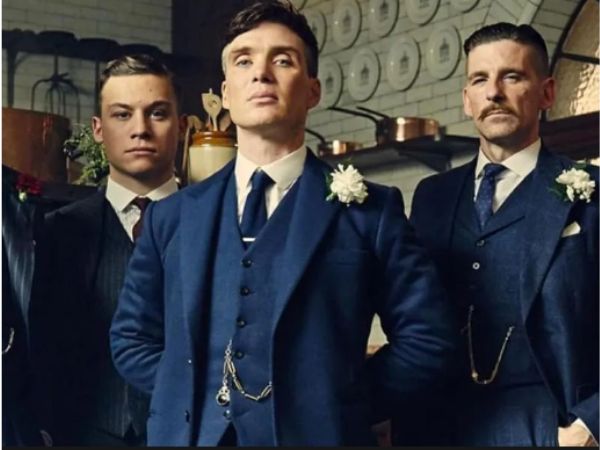
They wore flat caps, tailored jackets, silk scarves, and heavy leather boots. Waistcoats and pocket watches were common, along with neatly cut hair and clean shaves. This wasn’t just vanity. Dressing well was part of their identity. It projected confidence, wealth, and superiority. It was a way of telling the community: we are above you, and we want you to notice it.
The style extended to their families and partners. Women associated with the gang wore expensive dresses and jewellery that set them apart from ordinary working-class women. Together, they created an image of glamour wrapped around criminality.
Corruption and influence
Corruption was central to their success. Birmingham police at the time were poorly paid and often open to bribery. The Peaky Blinders exploited this, paying officers to look the other way or even to protect them. They also had connections with local businessmen who benefited from their control of illegal betting.
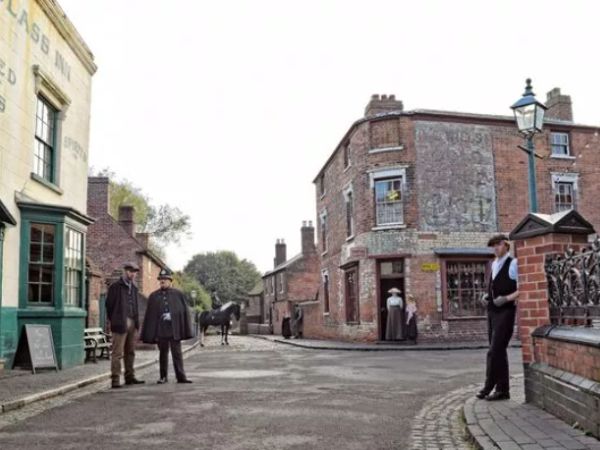
This influence made them incredibly hard to stop. By the late 1890s, their grip on parts of the city was so strong that new police officers had to be brought in from Ireland to try to restore order. Even that did not work. Intimidation and bribery made the force ineffective, and the Peaky Blinders continued to act with near impunity.
How the gang fell
No gang lasts forever. By the early 1900s, the Peaky Blinders faced new rivals. The Birmingham Boys, led by Billy Kimber, were stronger, larger, and more ruthless. They focused on controlling horse racing, which brought in much more money than petty crime.
Clashes between the two groups were violent. Gradually, Kimber’s gang pushed the Peaky Blinders aside. Some members drifted into other crimes, while others moved away from the city. By the 1910s, the Peaky Blinders as an organised force were finished.
Later, Kimber’s Birmingham Boys themselves lost power to London gangs, especially the Sabinis, in the 1920s and 1930s. But the name Peaky Blinders lived on, remembered by locals and revived decades later as the inspiration for film and television.
Birmingham today
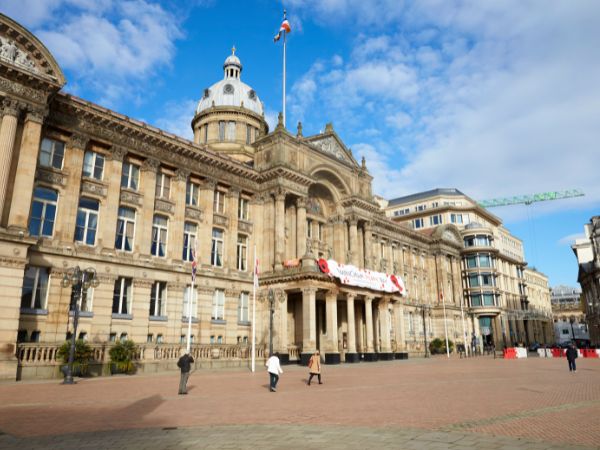
If you visit Birmingham now, it is hard to imagine the world of the Peaky Blinders. The Small Heath of the 1890s has changed beyond recognition. Streets once filled with gangs are now home to shops, cultural centres, and housing developments.
The city has grown into the second largest in Britain, known for its universities, canals, museums, and a thriving food scene. It is a place where history and modern life sit side by side. You can visit the Jewellery Quarter, explore the Birmingham Museum and Art Gallery, or relax in the redeveloped canalside area.
For fans of the Peaky Blinders, there are tours that trace the gang’s real history, visiting places linked to their story. These tours separate fact from fiction and give you a chance to see the Birmingham they once ruled.