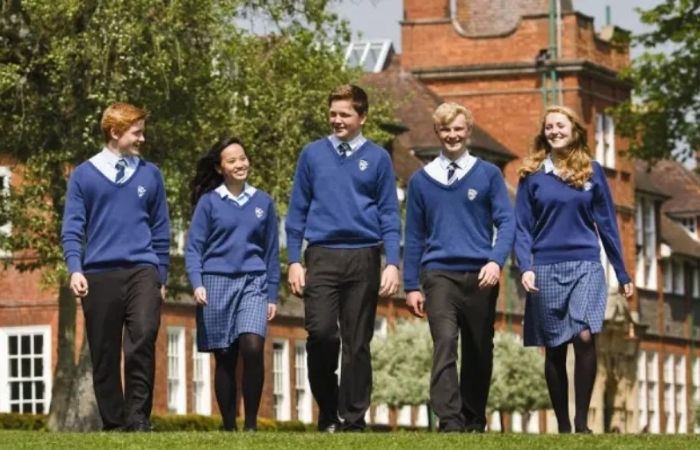
Choosing the right secondary school is one of the most significant decisions a parent can face. For many British and international families, that choice includes the possibility of a boarding school. Let’s find out why!
If you have the means to consider private education, the options can feel endless. Among them, boarding schools stand out both for their long tradition and for the life-changing opportunities they offer.
At first glance, sending your child to a boarding school might feel drastic. But behind this choice lie strong academic, personal, and practical reasons.
Let’s take a closer look at what boarding schools are really like, and why so many families continue to place their trust in them.
Contents
What a boarding school really is
At its simplest, a boarding school is a residential school where pupils not only attend lessons but also live on campus.
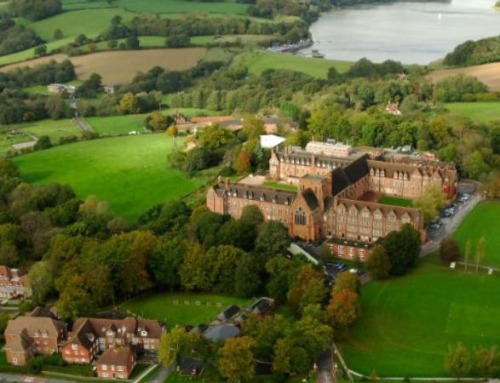
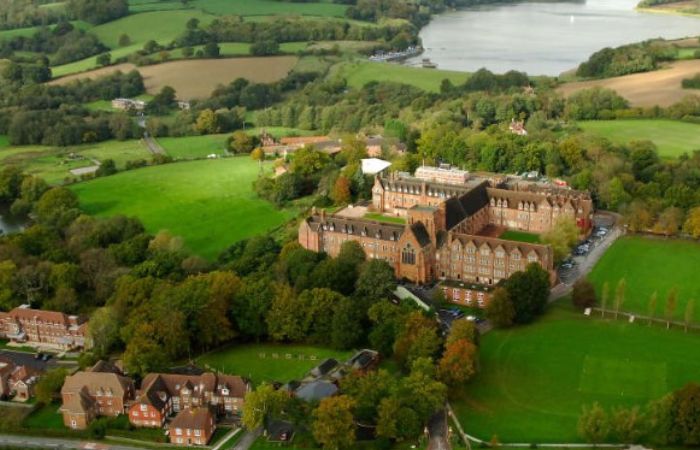
Students typically arrive around age ten or eleven and can stay until eighteen, though many join later for GCSE or A level years. The campuses are designed to function like small self-contained communities, with classrooms, dormitories, sports facilities, chapels, music halls, and plenty of outdoor space.
This setup creates a world where education extends beyond the classroom. Academic study, sport, art, music, and friendships all unfold in the same environment. For many young people, this intensity can be transformative.
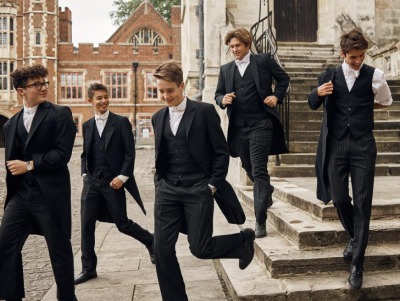
Boarding Schools vs State Schools
In England, most children attend a state school. These are government-funded, free to attend, and usually located within a child’s local community. Pupils go home at the end of the school day, and the experience is shaped by family life outside the classroom as much as by lessons inside it.
A boarding school, by contrast, is independent and fee-paying. Pupils live on site during term time, following a structured routine of classes, sports, meals, and study. Boarding schools provide housing, pastoral care, and extracurricular activities alongside academic teaching.
The biggest differences are therefore about living arrangements and resources.
State schools serve their local area, while boarding schools attract students from across the country and abroad. Where a state school education ends when the bell rings, a boarding school education continues into evenings and weekends, with staff overseeing both academic progress and personal development.
For families, the choice often comes down to lifestyle, cost, and expectations. State schools provide accessible education close to home. Boarding schools promise a more immersive environment, with opportunities shaped by history, tradition, and intensive academic and co-curricular life.
A day in the life for a boarder
Life in a boarding school follows a rhythm that’s both structured and varied.
Mornings usually begin early, with breakfast taken communally before the first lesson starts. Classes run until around 4pm, often broken up with chapel, assemblies, lunch, or short breaks in between. Evenings are reserved for supervised homework, known as “prep.”
This routine may sound strict, but students generally thrive on the balance between study, activity, and social life. Importantly, they are supported throughout by housemasters, tutors, and pastoral staff who ensure no child is simply left to cope alone.
Why British families choose boarding school
Academic Prestige
Boarding schools have a reputation for high academic standards. Small class sizes, subject specialists, and excellent facilities give pupils an advantage.
Parents know that exam results are consistently above the national average, and that these schools feed directly into leading universities, including Oxford and Cambridge.
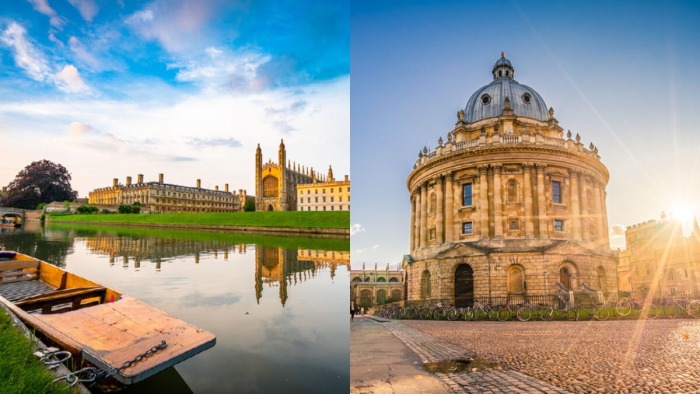
Tradition and continuity
Many families are drawn to the heritage. These schools have educated future prime ministers, business leaders, writers, and members of the royal family.
For parents who themselves attended a boarding school, sending their children continues a family tradition. For others, it is about placing their child in an environment steeped in history and values.
Building character and independence
Life away from home teaches skills that go far beyond textbooks. Pupils learn resilience, responsibility, and independence. They have to manage their own time, keep to routines, and live in a community where collaboration matters. Parents see this as preparation for adulthood and leadership.

Opportunities beyond the classroom
Boarding schools provide extensive opportunities in sport, music, drama, and community service.
From rowing and rugby to orchestras and theatre productions, students can discover talents and passions that shape their future. Parents choose these schools because they want their children to have access to this wider world of experiences.
Networks for the future
Connections formed at a boarding school can last a lifetime. Children make friends with peers from across the country and the world, often from influential families. These networks are valuable later in life, both socially and professionally. For many parents, this long-term advantage is part of the investment.
Pastoral care and support
While discipline is part of the boarding school image, pastoral care is equally central. Housemasters, tutors, and mentors provide close support for every student. For busy parents, this consistent care offers reassurance that their child’s wellbeing is taken seriously.
The most famous boarding schools in the UK
Certain schools have become almost synonymous with British identity.
-
Eton College, founded in 1440, counts princes William and Harry, as well as 20 British prime ministers, among its alumni.
-
Harrow School, with its hillside campus overlooking London, has produced leaders from Churchill to Nehru.
-
Winchester College, established in 1382, still follows some of its medieval traditions.
-
Rugby School famously gave the world rugby!
For girls, schools like Wycombe Abbey, Benenden, and St Mary’s Ascot are known for combining academic rigour with confidence-building opportunities. More contemporary institutions such as Brighton College are gaining ground with modern teaching methods and a global outlook.
What links them all is the combination of academic achievement, lifelong networks, and the prestige attached to their names.
Why international parents choose British boarding schools for their children
For families abroad, the appeal is clear.
A boarding school education offers total immersion in English language and culture. Students learn not only grammar and vocabulary but also social codes, traditions, and the subtleties of British life.
The qualifications are internationally recognised, making university applications easier across Europe, North America, and Asia. The reputation of a British boarding school carries weight in professional and academic circles worldwide.
For many parents, it is also about giving their children independence, resilience, and cultural awareness at a formative stage.
Boarding school offers more than just education
Boarding schools remain one of Britain’s most distinctive cultural exports.
They combine centuries-old traditions with modern facilities and forward-looking teaching. For the students who pass through their gates, they provide not only education but also character, confidence, and lifelong networks.
To some, the decision to send a child away from home may still feel daunting. But for the families who choose it, the experience is often described as transformative — a formative chapter that shapes both academic future and personal identity.